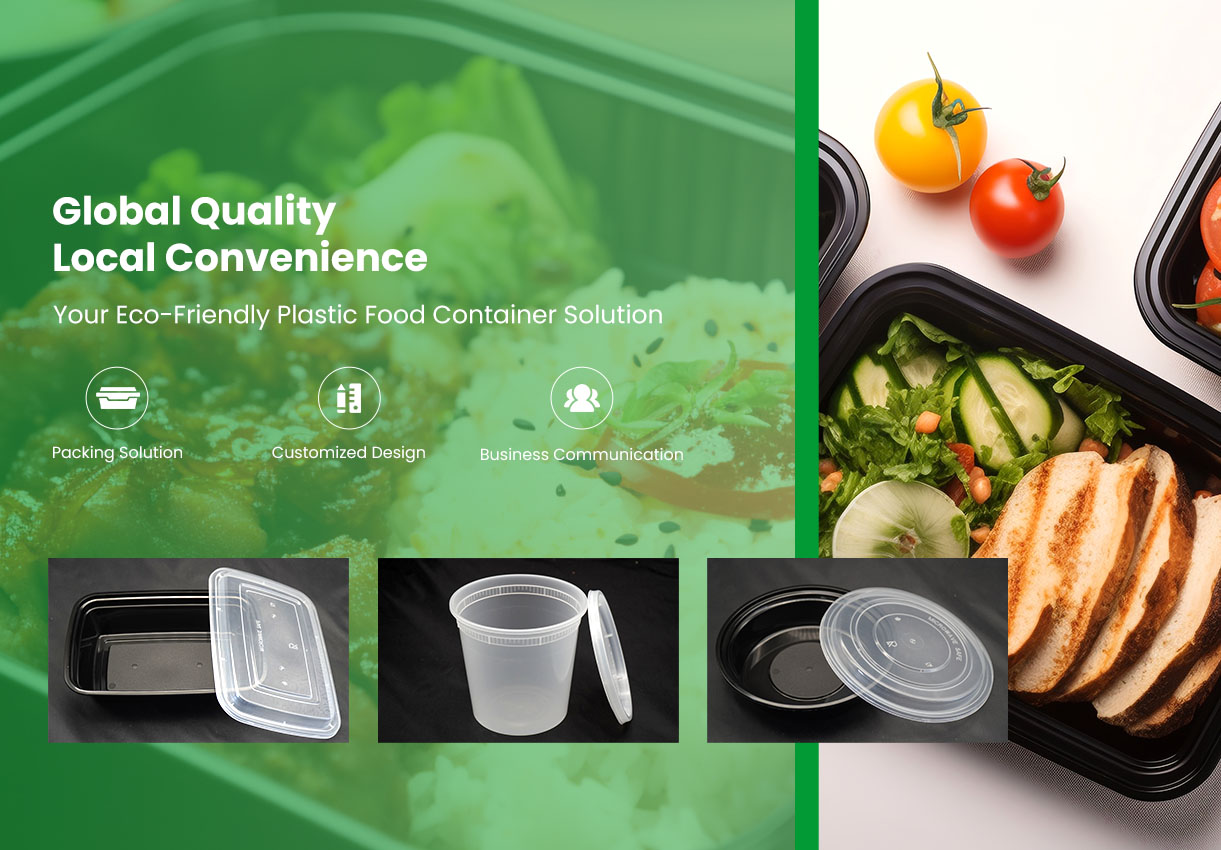
A properly fitting lid is essential for food packaging performance. When a lid does not match the container correctly, problems such as leakage, poor stacking, and transportation damage may occur.
Greasy meals create higher demands on food packaging because oils, sauces, and high-fat ingredients can affect container performance over time. Packaging that works well for dry foods may not provide the same protection when used with fried foods, oily dishes, or meals containing rich sauces.
Noodle-based meals require packaging that can handle more than just liquid. The container needs enough space for noodles, broth, toppings, and additional ingredients while maintaining strength during transportation.
Soup packaging needs to balance serving size, transportation convenience, and food protection. Among different container capacities, 16oz soup cups are widely selected because they provide a practical volume for individual meals without creating excessive packaging space.
Microwave heating has become common in many food service and prepared meal applications. As customers increasingly reheat meals before consumption, packaging needs to provide suitable performance during heating while maintaining food safety.
Packaging performance can change significantly when containers are exposed to hot food. For soup packaging, maintaining strength after filling is essential because customers and food operators expect containers to remain stable during storage, transportation, and serving.
Hot broth requires packaging that can manage high temperatures while maintaining strength, safety, and convenience. From freshly prepared soups to takeaway noodle dishes, containers must protect both the food quality and the customer experience.
Leakage is one of the most common challenges in takeaway food packaging, especially when transporting liquid-based meals. Soup has unique packaging requirements because it combines heat, weight, and movement during delivery. Even a small weakness in the container structure or lid connection can lead to spills, damaged packaging, and poor customer experience.
Takeaway packaging is often the first physical interaction customers have with a food brand after placing an order. While food quality remains the most important factor, packaging design also influences how customers perceive freshness, reliability, and professionalism.
Set meals usually include multiple food items that need to be organized, protected, and presented properly. A single container without separation may cause sauces to mix, affect food appearance, or reduce the overall dining experience. Divided lunch boxes provide a practical solution by creating separate spaces for different dishes while keeping the meal organized during storage and transportation.