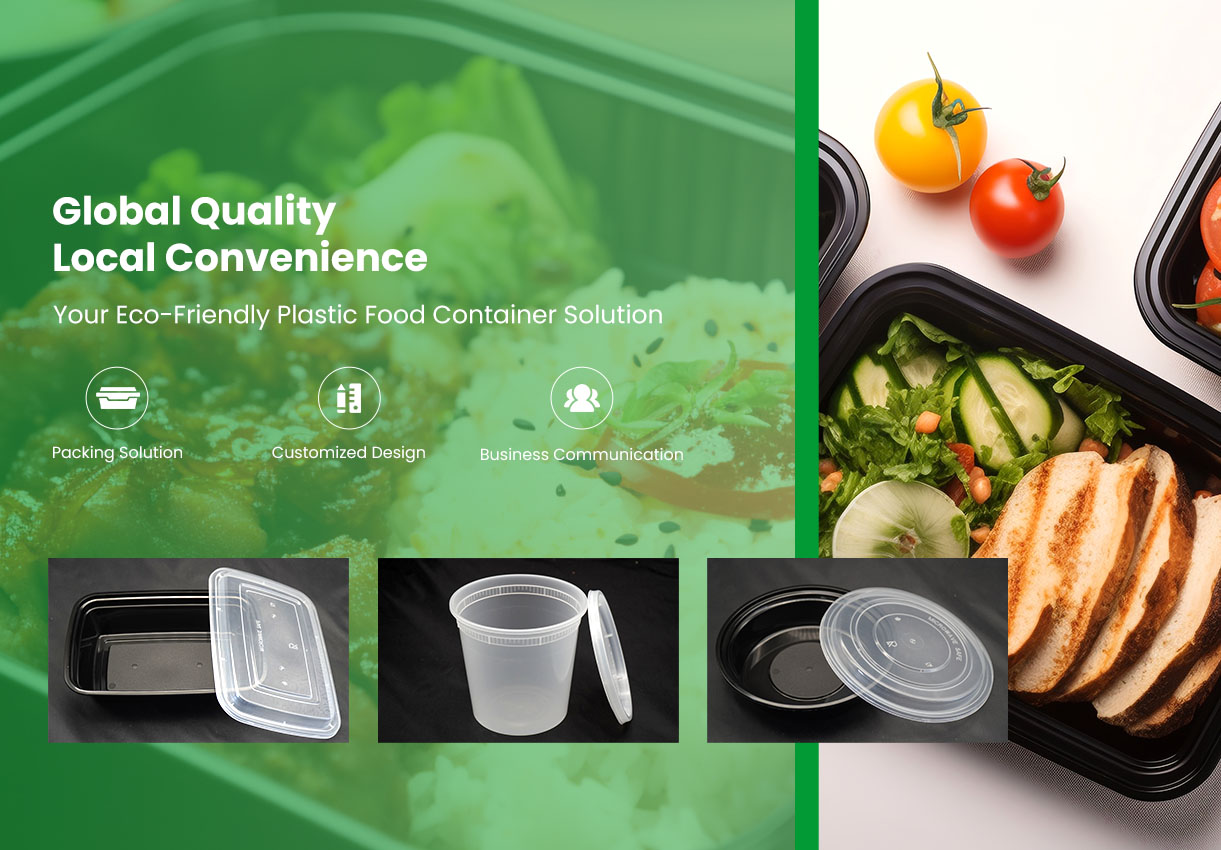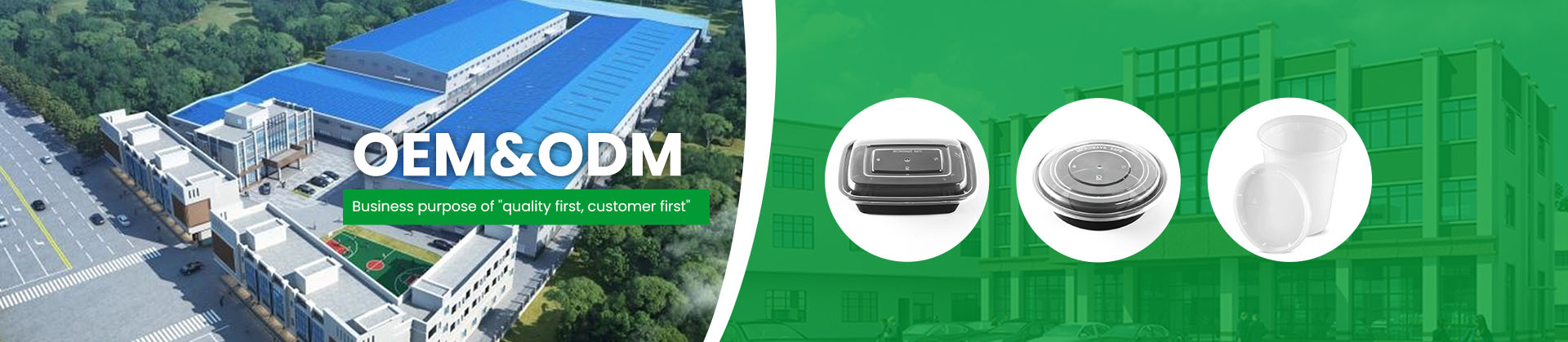
Leakage is one of the most common challenges in takeaway food packaging, especially when transporting liquid-based meals. Soup has unique packaging requirements because it combines heat, weight, and movement during delivery. Even a small weakness in the container structure or lid connection can lead to spills, damaged packaging, and poor customer experience.
Disposable Soup Cups are designed to provide convenient packaging for liquid foods, but their performance depends on multiple factors. Container material, lid design, sealing accuracy, and transportation conditions all influence whether soup remains secure from the kitchen to the final destination.
Soup leakage does not always come from one single problem. In many cases, several factors work together and reduce packaging reliability.
The lid is one of the most important parts of soup packaging. A container may have sufficient strength, but an unstable lid connection can still cause leakage.
Common issues include:
The lid does not match the container edge accurately
The sealing pressure is uneven
The lid becomes loose during movement
Steam pressure affects closure stability
A properly designed lid should create a secure connection while still allowing convenient opening for customers.
Different soups require different packaging structures. Thin broth, thick soup, and meals containing solid ingredients place different demands on containers.
A container that works well for dry food may not provide enough protection for liquid products. The wall strength, capacity, and sealing system need to match the food application.
Delivery conditions can affect packaging performance. During transportation, containers may experience shaking, tilting, and stacking pressure.
Even containers with good sealing performance may leak if they are not properly positioned or protected during delivery. Packaging design needs to consider real handling conditions rather than only filling requirements.
Manufacturers evaluate several details when developing reliable soup packaging solutions.
| Design Factor | Effect On Leakage Prevention |
|---|---|
| Accurate lid matching | Creates stronger sealing performance |
| Reinforced container walls | Improves structural stability |
| Suitable material thickness | Reduces deformation risk |
| Secure stacking design | Prevents movement during transport |
A professional soup cup supplier usually focuses on both container structure and lid compatibility. These two parts must work together to provide reliable protection.
Material selection directly influences container performance. Hot liquids can create pressure and temperature changes inside the package, requiring materials that maintain stability.
High-quality materials help prevent softening, deformation, and cracking during use. For takeaway soup applications, the container should remain firm when filled and easy to handle after sealing.
Manufacturers also consider surface quality because uneven edges or inconsistent production may affect how well the lid fits.
Leak prevention requires cooperation between packaging design and operational handling. Food operators should select containers according to soup characteristics, delivery distance, and serving requirements.
For example, a short-distance delivery order may have different needs compared with long-distance transportation. Packaging size, filling level, and closure method all influence final performance.
A leaking soup package affects more than food quality. It may damage other items in the delivery bag and reduce customer satisfaction.
Reliable leak-resistant packaging helps maintain food appearance, improve handling convenience, and support smoother food delivery operations. By combining suitable materials, accurate manufacturing, and practical design, soup cups can provide safer protection for liquid meals throughout the delivery process.