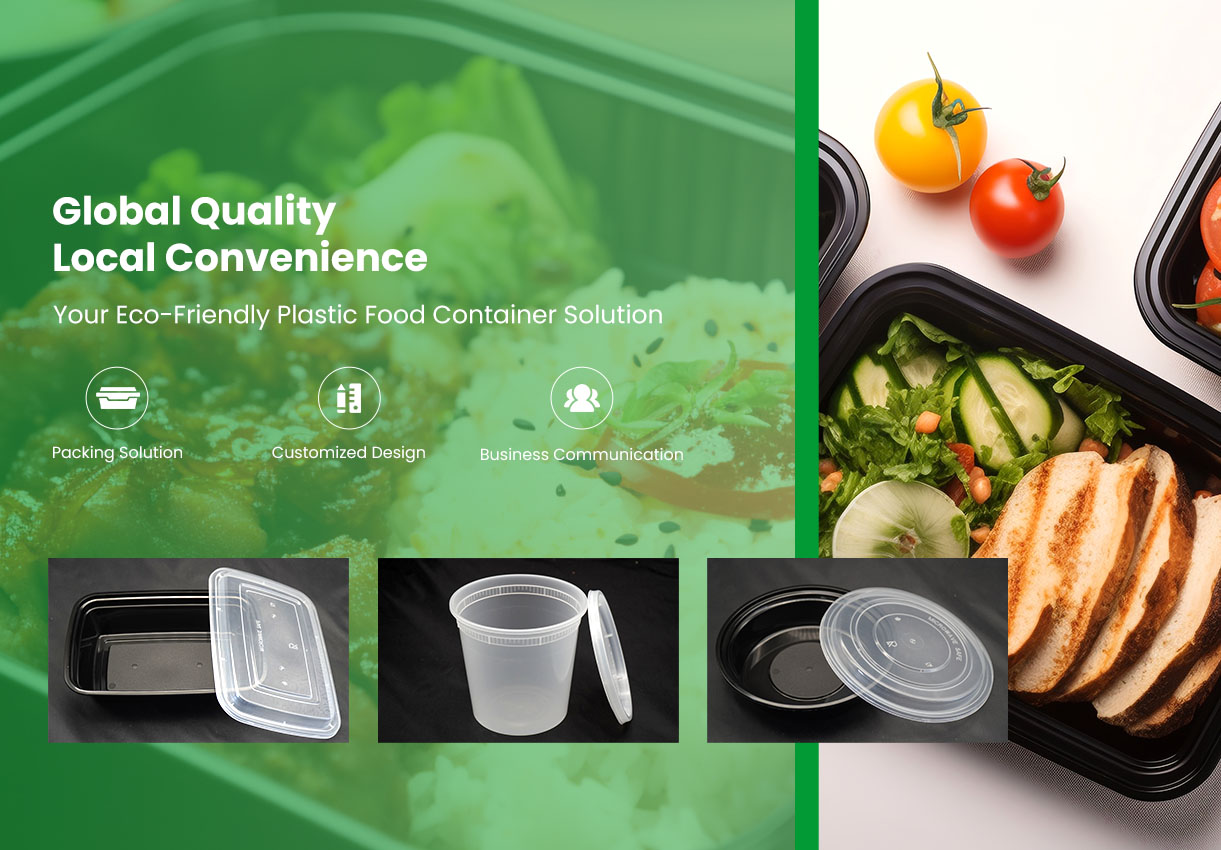
Hot broth requires packaging that can manage high temperatures while maintaining strength, safety, and convenience. From freshly prepared soups to takeaway noodle dishes, containers must protect both the food quality and the customer experience.
soup containers with lids are widely used for liquid meals because they provide a complete packaging system. The container holds the food, while the lid helps prevent spills and maintain freshness during transportation.
Hot broth creates several challenges that ordinary food containers may not handle effectively. Temperature, liquid weight, and steam pressure all influence packaging performance.
Suitable containers should provide:
Stable structure after filling with hot liquids
Reliable sealing during transportation
Sufficient capacity for different serving sizes
Comfortable handling for customers
A container that performs well with cold food may not provide the same results when used for hot broth. Material properties and design details must be evaluated carefully.
The material used in soup packaging plays an important role in heat resistance. When hot broth is filled into a container, the packaging needs to maintain its shape without becoming unstable.
Different materials provide different advantages. Some focus on heat resistance, while others emphasize lightweight handling or visual appearance.
Manufacturers usually consider the following aspects:
Temperature Performance
The material should remain stable when exposed to hot liquids. This helps prevent deformation and improves safety during transportation.
Structural Strength
Broth-filled containers become heavier than empty packaging. Strong side walls and stable bases help support the additional weight.
Surface Protection
The inner surface should provide suitable contact performance with different soup ingredients while maintaining packaging integrity.
The lid is a key component in protecting liquid food. Hot broth produces steam, and the packaging must maintain a secure closure while allowing practical opening.
A suitable lid design helps:
Reduce leakage during movement
Protect food from external contamination
Improve stacking stability
Provide easier customer handling
| Packaging Component | Function In Hot Broth Applications |
|---|---|
| Container body | Supports liquid weight and temperature |
| Lid structure | Helps maintain secure closure |
| Rim design | Improves sealing connection |
| Base structure | Provides stability during handling |
Hot soup packaging is used across many food categories. Restaurants, takeaway services, and prepared meal operations often require containers that can support different menu styles.
Typical applications include:
Chicken broth and vegetable soup
Noodle soup meals
Curry-based dishes
Seafood soup products
Ready-to-eat liquid meals
The correct container size is also important. Too much empty space may affect heat retention and presentation, while insufficient capacity may create overflow risks.
A professional soup container manufacturer focuses on more than producing containers. The development process usually includes material evaluation, mold precision, production control, and quality inspection.
For hot broth applications, consistency is especially important because repeated orders require the same performance across every batch. Stable dimensions help ensure lid compatibility and efficient packaging operations.
Hot broth containers need to perform throughout the entire process, from kitchen filling to customer opening. Strong materials, secure lids, and accurate manufacturing standards work together to create dependable packaging.
Well-designed soup packaging helps maintain food quality, reduces handling problems, and provides customers with a better takeaway experience. As demand for prepared meals continues to grow, reliable hot food containers remain an essential part of efficient food service operations.