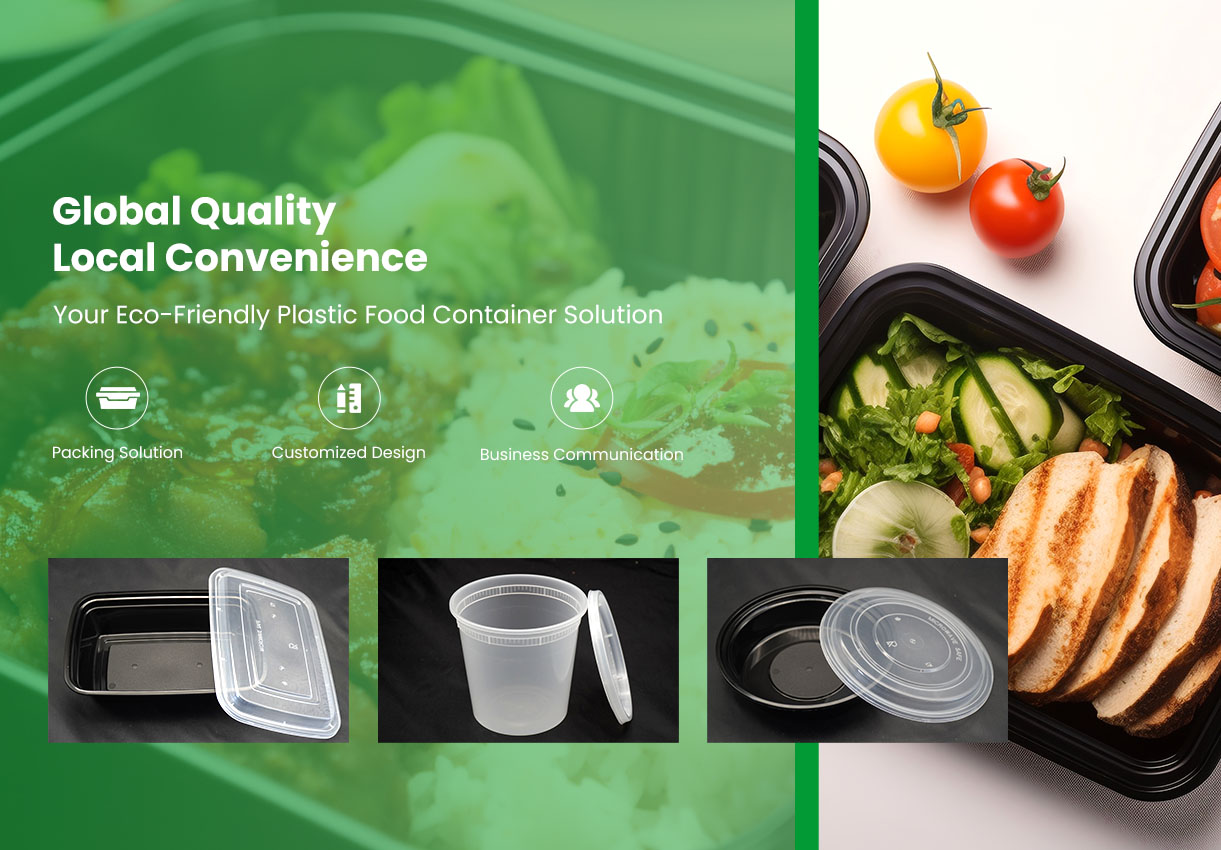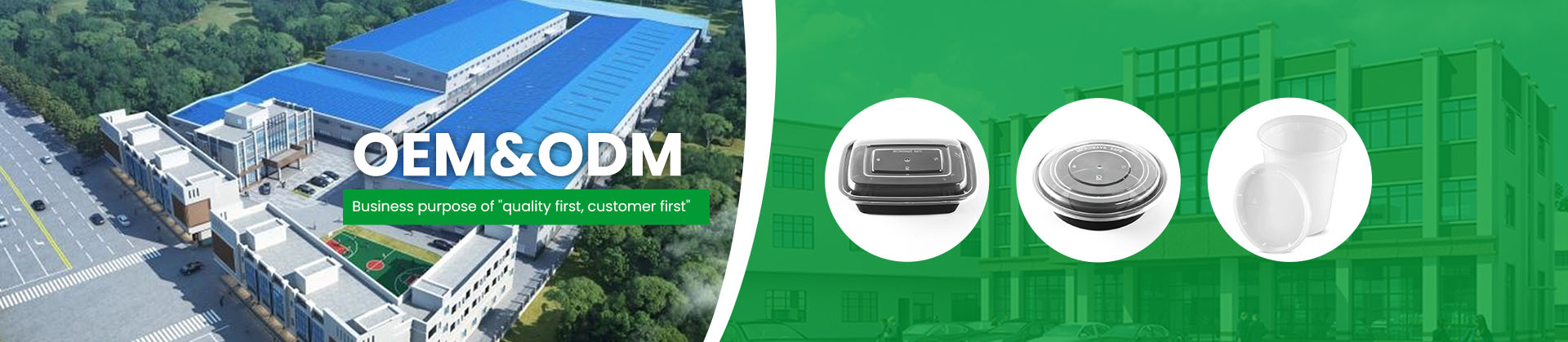
Greasy meals create higher demands on food packaging because oils, sauces, and high-fat ingredients can affect container performance over time. Packaging that works well for dry foods may not provide the same protection when used with fried foods, oily dishes, or meals containing rich sauces.
disposable food containers are designed for convenience, but their suitability for greasy meals depends on material properties, structure, and manufacturing quality. A suitable container should prevent leakage, maintain strength, and protect food appearance during storage and transportation.
Greasy foods can create several packaging challenges. Oil may gradually affect certain materials, while heavy meals can place additional pressure on the container structure.
Common concerns include:
Oil penetration through unsuitable materials
Softening after contact with hot oily foods
Weak container walls under heavy portions
Leakage caused by poor sealing performance
These issues are especially important for takeaway meals because containers need to maintain performance from filling to final consumption.
The material used in packaging plays an important role in handling oily products. Different materials provide different levels of resistance against heat, moisture, and oil.
For fried chicken, roasted foods, noodles with sauce, and other greasy meals, manufacturers usually consider whether the material can maintain stability after contact with oily ingredients.
Suitable packaging should provide:
Oil Resistance
The inner surface should reduce the risk of oil absorption or leakage, helping maintain the appearance of the container.
Structural Stability
Greasy meals are often heavier than simple snacks. The container should support the food weight without bending or collapsing.
Secure Closure
A reliable lid system helps prevent sauce and oil from escaping during transportation.
A container’s shape and structure affect how well it handles oily foods. A deeper design may provide more space for saucy meals, while reinforced edges can improve handling strength.
| Design Feature | Benefit For Greasy Meals |
|---|---|
| Thick container walls | Improves support for heavy food |
| Smooth inner surface | Helps reduce oil residue problems |
| Secure lid connection | Minimizes leakage risks |
| Stable base design | Prevents tipping during transport |
A well-designed container should also support easy stacking. This is important for restaurants and delivery operations where multiple meals need to be organized efficiently.
Greasy food containers are commonly used for:
Fried chicken and fried snacks
Burgers and sandwiches
Pasta with creamy sauces
Stir-fried dishes
Curry-based meals
Roasted meat products
Each food type creates different packaging requirements. Fried foods may require better moisture management, while sauce-heavy meals require stronger sealing performance.
Packaging consistency is important when containers are used for large-volume food service. Small differences in thickness, shape, or material quality may influence how the container performs with oily meals.
A professional food container manufacturer usually evaluates material performance, molding accuracy, and sealing compatibility during production. These checks help ensure containers maintain reliable quality across different batches.
Greasy meals require packaging that combines strength, protection, and convenience. A suitable container should handle oil, heat, and transportation pressure while keeping food presentable.
Through proper material selection and controlled manufacturing processes, disposable packaging can provide dependable performance for a wide range of oily food applications.
Previous: Why Do Food Container Lids Not Fit?