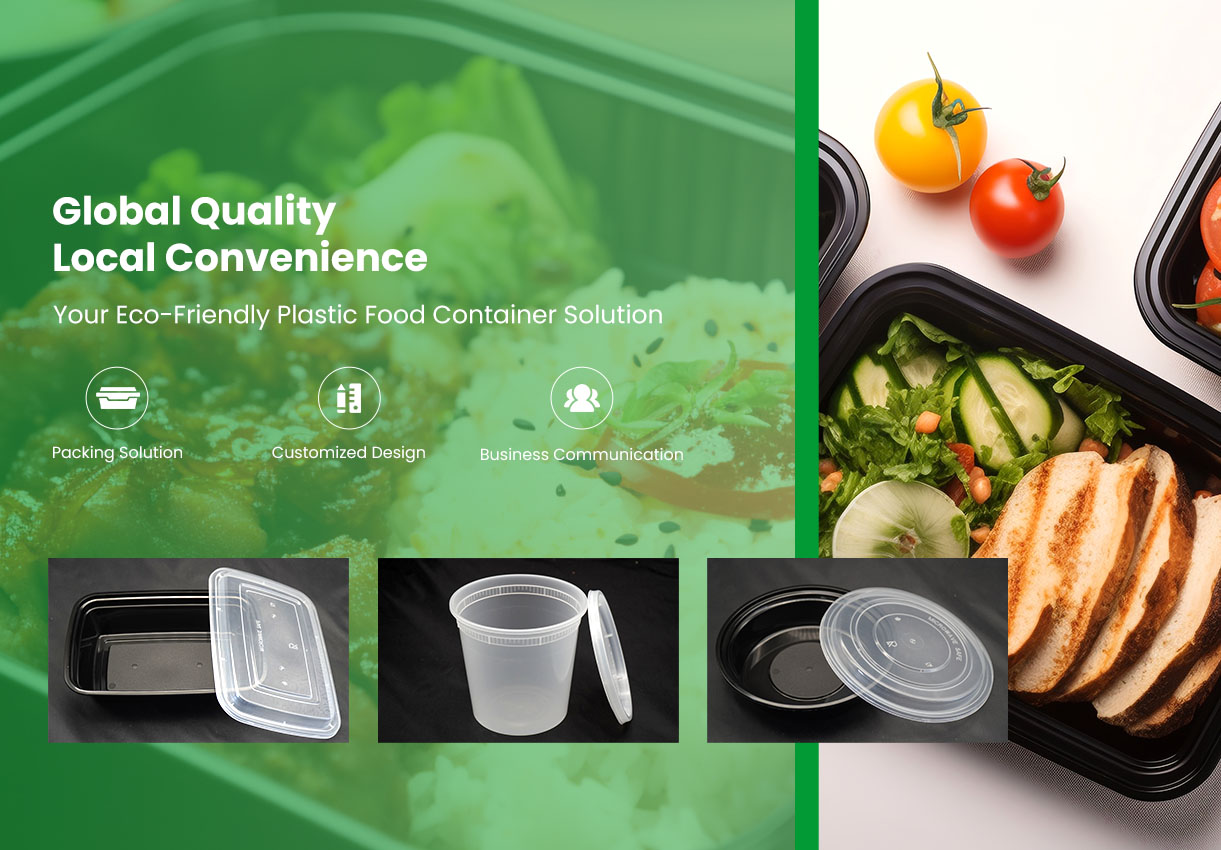
Microwave heating has become common in many food service and prepared meal applications. As customers increasingly reheat meals before consumption, packaging needs to provide suitable performance during heating while maintaining food safety.
pp soup containers are widely used for hot food packaging because polypropylene materials have characteristics that make them suitable for many heat-related applications. However, microwave suitability depends on container design, material quality, and correct usage conditions.
Polypropylene is a popular material for food containers because it can maintain stability under higher temperatures compared with some other plastic options.
When properly manufactured, PP packaging can provide:
Good heat resistance
Stable container structure
Lightweight handling
Compatibility with different food applications
These characteristics make polypropylene suitable for soups, ready meals, and other products that may require reheating.
A container being made from PP does not automatically mean every design is suitable for microwave use. The complete packaging structure needs to be considered.
Several factors influence performance:
Material Quality
Food-grade polypropylene should be selected according to the intended application. Consistent material quality helps maintain performance during heating.
Container Design
The shape and thickness of the container affect heat distribution. A well-designed structure helps prevent excessive deformation.
Lid Requirements
The lid should be used according to the intended heating method. Some lids are designed mainly for transportation and may require adjustment before microwave heating.
Microwave heating creates direct temperature changes inside the container. Soup products may heat unevenly, creating areas with higher temperatures.
A suitable container should maintain its shape and provide enough strength after heating. This is especially important for liquid foods because users need to handle the container safely after warming.
| Consideration | Importance During Microwave Use |
|---|---|
| Material composition | Determines heat performance |
| Container thickness | Supports structural stability |
| Shape design | Influences heat distribution |
| Usage instructions | Helps prevent improper handling |
Microwave-compatible packaging is often used for prepared food systems where customers need convenient reheating options.
Common applications include:
Ready-to-eat soups
Meal preparation products
Frozen soup portions
Office lunch solutions
Convenience food packaging
Different applications may require different container sizes and structures. A single-serving soup container may focus on convenience, while larger containers may require additional strength for storage and reheating.
Reliable microwave performance depends on accurate manufacturing. Small differences in material distribution or container structure can affect how packaging behaves during heating.
A professional PP container supplier focuses on material control, production consistency, and product testing to ensure containers meet practical application requirements.
Manufacturers also consider sealing performance, stacking ability, and transportation needs because microwave suitability is only one part of overall packaging performance.
Microwave-safe packaging needs to balance convenience, safety, and durability. A container should protect food during storage and transportation while also supporting reheating when required.
pp soup containers provide a practical option for many hot food applications because of their stable material properties and flexible design possibilities. With proper material selection and manufacturing control, they can support modern food service needs while improving convenience for end users.