Meal prep businesses need packaging that does more than hold food. The right pack supports portion control, protects presentation, reduces leakage during delivery, and keeps daily packing lines efficient. That is why the best food containers are usually selected by menu type, filling speed, sealing security, and supply consistency rather than by unit price alone. FDA states that food packaging materials used in contact with food must be evaluated for safe intended use, which makes material choice a core business decision rather than a simple purchasing detail.
A strong meal prep package usually needs five traits at the same time. It should be easy to fill, reliable in stacking, stable in transport, suitable for the food temperature, and consistent across repeat orders. USDA guidance also makes temperature control very clear: cold food should be kept at 40 degrees F or below, and hot food should stay at 140 degrees F or above during holding and transport. That means packaging for meal delivery must match both the product and the service model.
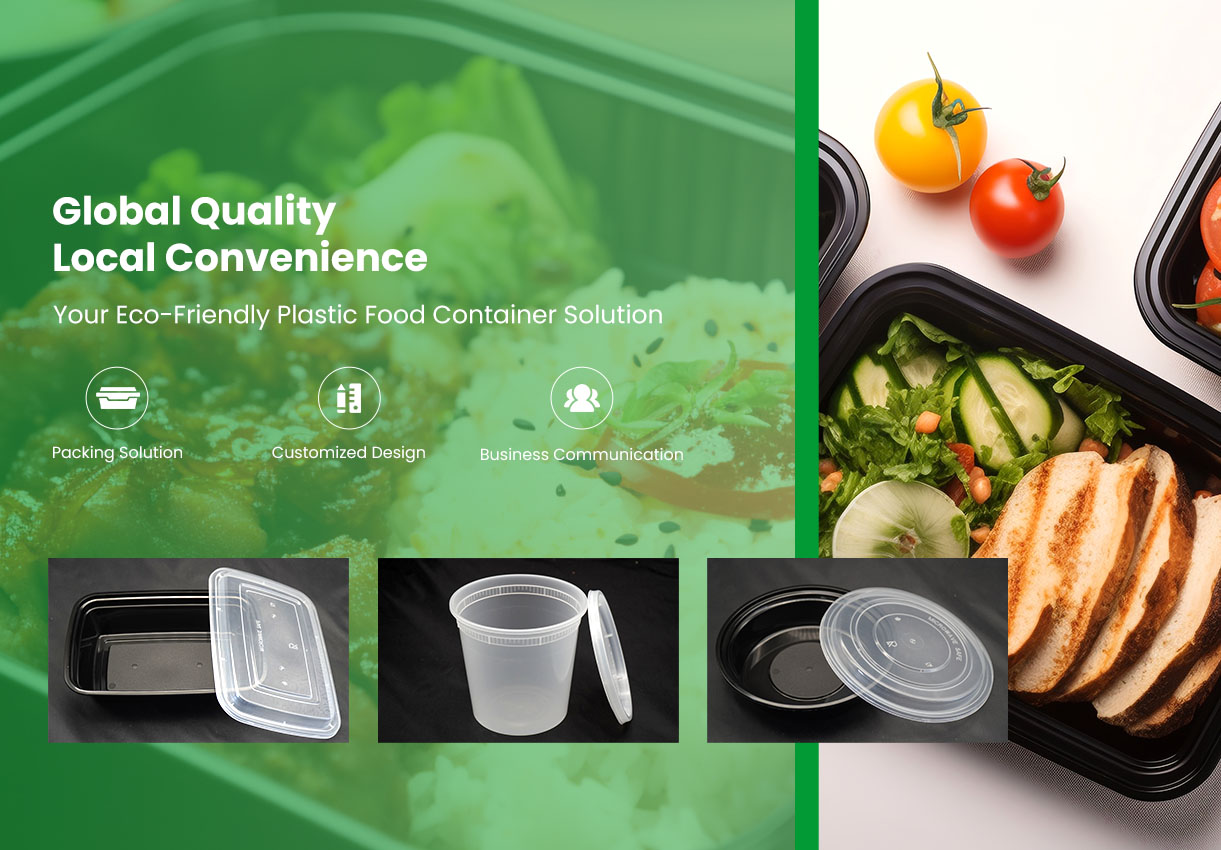
For many operators, the most practical mix includes rectangular boxes for rice meals and protein sets, round cups for sauces or side dishes, and soup cups for liquid items. This is why containers for hot and cold takeaway food should not be chosen as one universal format. Different menus create different risks. Soup needs lid security. Salad needs volume and clean visibility. Saucy meals need stronger leak resistance.
| Meal type | Best container style | Why it works |
|---|---|---|
| Rice meals and combo meals | Rectangular plastic container | Efficient stacking, clean portion control, easier shelf use |
| Soup, porridge, noodles | Soup cup with secure lid | Better liquid control and safer delivery |
| Salad and cold sides | Round or wide shallow container | Protects shape and improves presentation |
| Mixed dishes with separation needs | Compartment lunch box | Helps maintain texture and food separation |
| Eco focused takeaway lines | Biodegradable or semi biodegradable lunch box | Supports a greener packaging position |
This structure works because meal prep packaging has to match the actual dish, not just the catalog. On LVHUI’s website, the company offers Disposable Soup Cups, rectangular and Round Disposable Plastic Containers, Semi-Biodegradable Lunch Boxes, biodegradable lunch boxes, and disposable lunch boxes, giving buyers a broader system instead of a single-pack solution.
Rectangular packs are often the most efficient base format for meal prep because they use shelf space well, fit cartons neatly, and standardize portions more easily. LVHUI’s product pages describe its rectangular containers as suitable for takeout foods, delivery services, and meal prep applications, with leak-proof design, durable food-grade plastic, and easy stacking advantages. For operations handling high daily volume, these details help reduce handling loss and improve line speed.
A good example is the role of the disposable storage container in central kitchen workflows. It is not only a vessel for finished meals. It also affects storage density, transport stability, and how smoothly staff can fill, close, stack, and dispatch orders. When packaging is too soft or lids vary from batch to batch, the hidden cost appears in crushed meals, leaked sauces, customer complaints, and wasted labor.
Hot meals and chilled meals create different requirements, so hot food containers and cold food packaging should be evaluated separately even when they look similar on a product list. Soup, curry, porridge, and noodle dishes need reliable lid fit and strong liquid control. Salad, fruit, and chilled protein bowls need shape retention, neat appearance, and good refrigeration performance. USDA temperature guidance shows why this difference matters in delivery and short-term holding.
For businesses asking about the best packaging for soup and salad delivery, the answer is usually a two-format system. Use sealed soup cups for liquids and round or rectangular shallow containers for cold dishes. LVHUI’s soup cup line includes multiple capacities, and its soup container pages describe special lids designed to help prevent spillage and improve delivery convenience. That kind of category depth helps reduce sourcing fragmentation when menus expand.
Packaging choice is no longer judged only by cost and function. It is also shaped by market expectations and regulations. The European Commission reports that 40 percent of plastics used in the EU are in packaging. Eurostat reports that the EU generated 79.7 million tonnes of packaging waste in 2023, equal to 177.8 kilograms per person. These figures explain why more buyers now compare recyclability, material strategy, and format reduction before approving long-term packaging plans.
This does not remove the need for practical plastic packaging in meal prep. It means manufacturers need to offer a more balanced portfolio. LVHUI positions itself around disposable environmental protection tableware and also provides biodegradable and semi-biodegradable lunch box options alongside its plastic range. That combination is useful for customers serving different channels, regions, and policy environments.
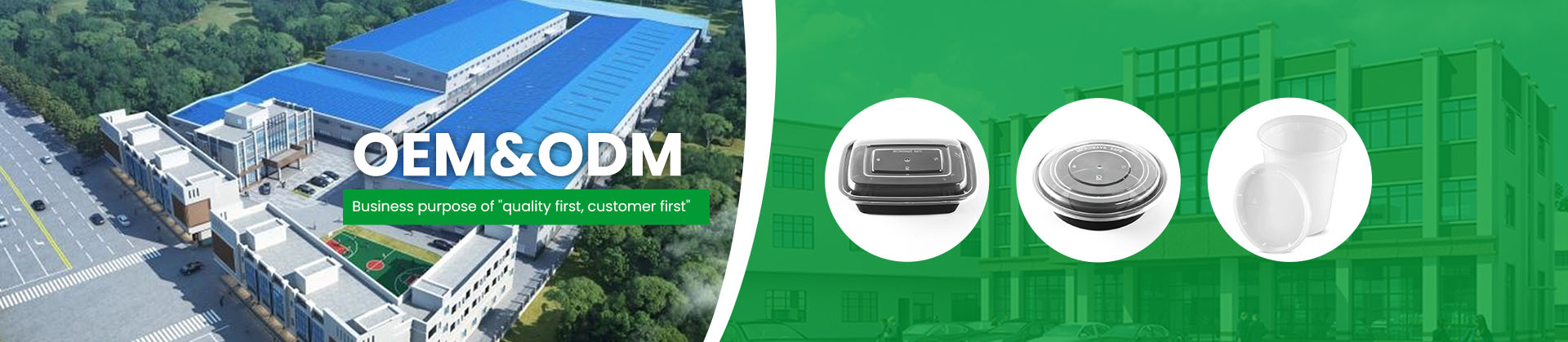
LVHUI is based in Taishan, Guangdong, and states that it operates a factory area of about 35,000 square meters. The company says it has focused on disposable environmental protection tableware since its establishment in July 2019, with independent production workshops, product development teams, and a highly automated production workshop. For buyers who need stable supply and category breadth, these points matter because meal prep packaging depends on repeatable manufacturing, not only on attractive samples.
Its current product structure also fits real meal prep demand well. LVHUI covers soup cups for liquid meals, rectangular containers for standard meal sets, round containers for flexible applications, and biodegradable lunch box options for sustainability-driven lines. That makes its range suitable as part of integrated food packaging solutions for takeaway, delivery, and prepared meal distribution.
The best containers for a meal prep business are the ones that protect food quality, support fast operations, travel safely, and stay consistent in repeat supply. A smart packaging system usually combines multiple formats instead of forcing every menu into one box. When performance, category coverage, and manufacturing stability are reviewed together, LVHUI offers a practical option for meal brands that need dependable meal prep packaging with room for both plastic efficiency and greener product lines.