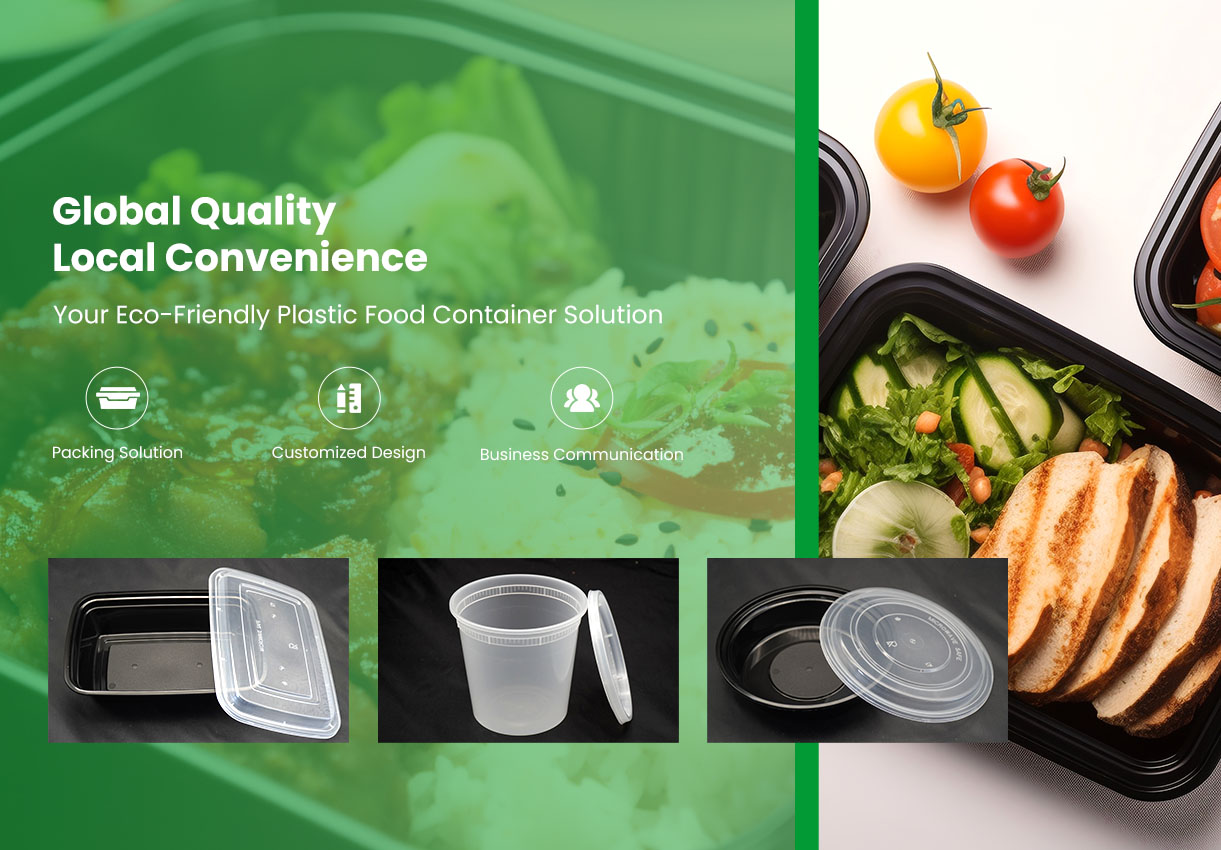
Reliable soup packaging starts before the order is placed. Hot broth, thick soup, porridge, noodles, curry, and sauce-based meals all place more pressure on packaging than dry food. A cup that looks acceptable when empty may leak, soften, or lose lid grip after hot filling and delivery movement.
Global foodservice disposable packaging was valued at about USD 66.51 billion in 2024, and industry research expects steady growth as takeaway and delivery services expand. For buyers ordering wholesale soup cups, this growth also means higher expectations for safety, sealing, stacking, and repeat supply.
soup cups must match the food temperature. PP is often selected for hot food because it offers better heat resistance than many common disposable plastics. Food contact packaging is also treated as a regulated food-contact material by food safety authorities, so buyers should confirm whether the supplier can provide suitable material information.
LVHUI can recommend container options according to hot filling, cold storage, microwave use, or short-distance takeaway delivery. This helps buyers avoid choosing a cup that works for cold desserts but fails with hot soup.
The lid should not only close well when the cup is empty. Buyers should test it after filling with hot liquid, leaving proper headspace, closing the lid, tilting the cup, and placing it inside a delivery bag.
Good soup cups lids should hold the rim evenly. If one side lifts easily, the lid may open during delivery. If the lid is too tight, staff may need extra time to close every order during peak hours. The best fit balances sealing strength and packing speed.
The rim is where most leakage problems begin. A weak rim bends under heat or pressure, making the lid lose contact. For soup cups, the rim should stay stable after hot filling and light stacking.
LVHUI pays attention to rim molding, cup thickness, and lid matching so the packaging can support real takeaway conditions, not only sample display.
A 500 ml cup should not always be filled to 500 ml with hot soup. Hot liquid needs space for steam, movement, and lid closure. Overfilling increases leakage risk even when the cup quality is good.
Buyers should confirm actual usable capacity, not only labeled capacity. This is especially important for kitchens that pack soup, noodles, porridge, and sauce-heavy meals.
| Inspection Point | What To Check | Why It Matters |
|---|---|---|
| Material | Heat resistance and food-contact suitability | Reduces softening risk |
| Lid fit | Closing force and edge grip | Prevents opening during transport |
| Rim | Thickness and shape stability | Improves sealing consistency |
| Capacity | Practical filling level | Avoids overflow and pressure |
| Carton packing | Compression and protection | Reduces damage before use |
Packaging can be damaged before it reaches the kitchen. Thin cartons, loose stacking, or poor inner packing may cause cup deformation during shipping. Buyers should check carton quantity, carton strength, lid packing method, and whether cups are easy to separate during use.
A good soup cup inspection should include both product testing and carton checking. Stable logistics packaging helps keep cups clean, shaped, and ready for fast kitchen operation.
Soup packaging is often purchased repeatedly. Size changes, lid mismatch, unstable thickness, or delayed supply can affect restaurant and catering operations. LVHUI supports consistent production, practical sample review, and bulk order planning for customers who need stable daily packaging supply.
Before ordering, buyers should check material, lid fit, rim strength, usable capacity, carton protection, and supplier consistency. LVHUI helps customers select soup cups that are easier to pack, safer to transport, and more reliable for repeated foodservice use.