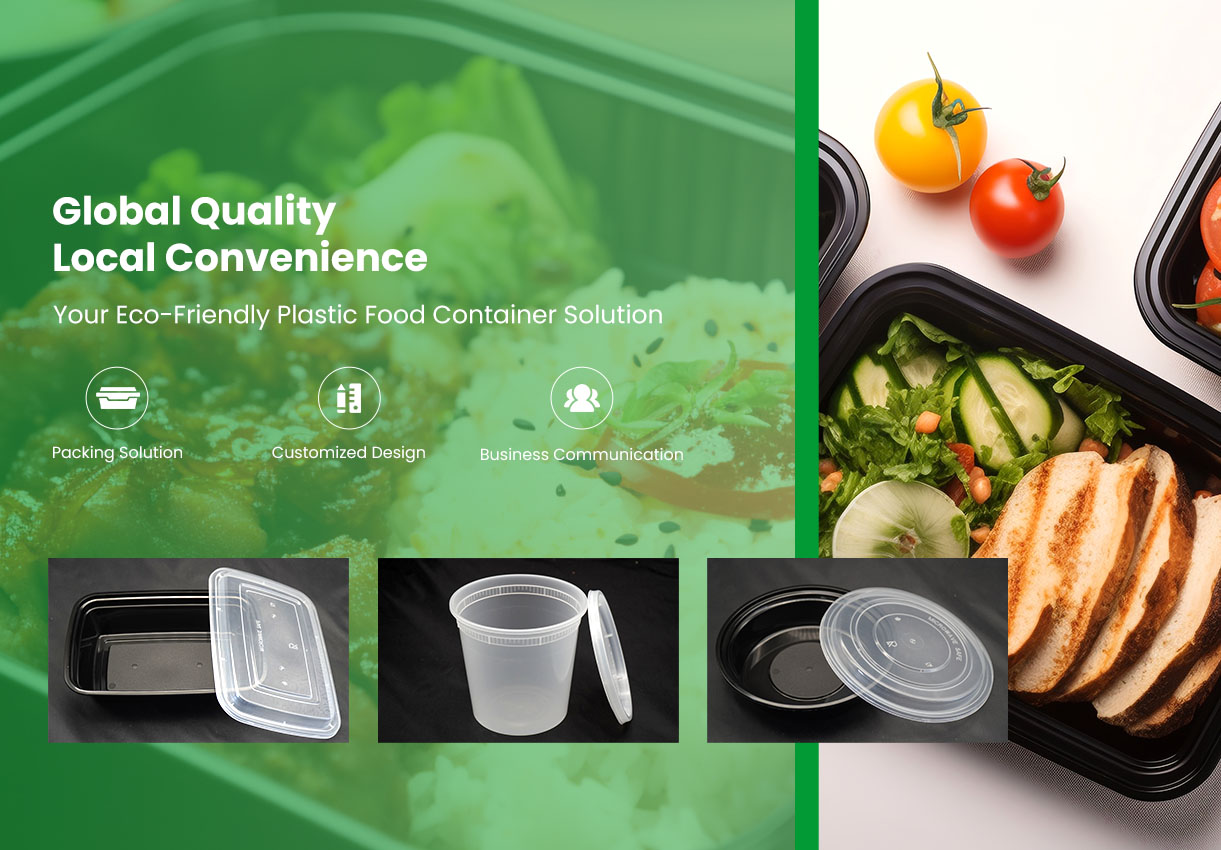
Sustainability claims are becoming more important in food packaging, but buyers should be careful with one simple question: can the supplier prove the claim? biodegradable food containers may look eco-friendly, yet appearance does not show whether the material can break down under the right composting conditions.
Certification is not just a marketing label. It helps buyers confirm whether a container has passed recognized testing for compostability, safety limits, and disposal suitability. For restaurants, meal-prep companies, distributors, and takeaway packaging buyers, certified documentation can reduce sourcing risk before a bulk order is placed.
The word biodegradable can be too broad. Some materials may break down only under specific heat, moisture, oxygen, and microbial conditions. Others may take much longer than buyers expect.
For food packaging, compostability certification is usually more useful than a general biodegradable claim. In North America, BPI-certified compostable products are verified against ASTM D6400 or ASTM D6868 standards. In Europe, EN 13432 is widely used for packaging recoverable through composting and biodegradation. European Bioplastics explains that EN 13432 requires at least 90% disintegration after 12 weeks and includes checks on ecotoxicity and heavy metal content.
Without certification, buyers may face several problems:
The container may not meet local composting requirements
The product claim may be challenged by customers or regulators
Export documentation may be incomplete
Retailers may refuse products without proof
Composting facilities may not accept the packaging
Certified biodegradable containers help reduce these risks because test results and certification marks give buyers clearer evidence. This is especially important when the packaging is used for retail shelves, public catering, institutional meals, or export channels.
Certification does not only ask whether a container disappears. It checks whether the product can break down properly under defined composting conditions without leaving harmful residue.
| Certification Area | What It Helps Confirm |
|---|---|
| Disintegration | Whether the item breaks into small pieces within the required period |
| Biodegradation | Whether the material converts into natural outputs under composting conditions |
| Heavy metal limits | Whether restricted substances stay within allowed levels |
| Plant safety | Whether finished compost affects plant growth |
| Label control | Whether the product claim can be clearly identified |
This is why a Biodegradable food container should be reviewed by both material type and certification document, not only by color, texture, or supplier description.
Different markets may expect different proof. Buyers selling into North America often pay attention to BPI or ASTM-related documentation. Buyers selling into Europe may ask for EN 13432-related certification. Some countries or cities also have their own packaging claim rules, especially for compostable and plastic-free wording.
LVHUI can support customers by discussing target markets, food application, temperature use, lid matching, and documentation needs before order confirmation. This helps buyers avoid choosing packaging that looks suitable but cannot support the claim required by their sales channel.
Certification is important, but it does not replace packaging performance. A certified container still needs to hold food properly. Buyers should check heat resistance, oil resistance, lid fit, stacking strength, carton packing, and storage conditions.
For example, a Biodegradable Lunch Box used for hot rice meals must stay stable during filling and transport. A bowl used for soup needs a matching lid and proper rim strength. Certification proves environmental performance under defined conditions, while product testing proves daily foodservice usability.
As an eco packaging supplier, LVHUI focuses on practical selection rather than simple green wording. Our team can help customers compare biodegradable material options, container shapes, lid solutions, carton packing, and documentation requirements.
For buyers planning bulk orders, we recommend checking samples with real food, reviewing certification documents, confirming the target sales market, and aligning product claims with local requirements. This makes procurement safer and helps avoid later complaints caused by unclear sustainability claims.
Biodegradable containers do need certification when buyers want reliable proof, export readiness, and stronger market trust. LVHUI supports customers with practical packaging choices, stable production, and document-based communication so sustainable packaging decisions can be made with more confidence.