Fast food packaging has to work under pressure. Meals are packed quickly, handled by staff, stacked during peak hours, carried through delivery routes, and opened by customers who expect the food to look the same as when it left the kitchen. This is why clamshell food containers remain widely used for burgers, fried snacks, rice meals, noodles, side dishes, and takeaway sets. Their hinged structure combines the base and lid into one piece, helping restaurants reduce packing steps while keeping food more protected during service.
Market demand also supports this packaging format. Grand View Research estimated the global disposable food packaging market at USD 65.60 billion in 2024, with projected growth to USD 100.89 billion by 2030, driven by convenience food and ready-to-eat consumption. The same trend pushes food outlets, distributors, and catering operators to look for packaging that is simple to use, stable in transport, and suitable for high-volume ordering.
Fast food is different from dine-in food because the package becomes part of the service experience. A container must hold heat, manage steam, resist oil, protect shape, and prevent messy handling. When packaging fails, customers often blame the restaurant rather than the container. Common complaints include soft boxes, crushed lids, leaking sauces, loose closures, and poor presentation after delivery.
A clamshell structure helps solve several of these problems at the same time. The hinged lid reduces mismatched lid issues during busy kitchen hours. Staff do not need to search for separate covers, which improves packing speed and reduces packing errors. For fast-moving restaurants, this simple feature can make daily operations smoother.
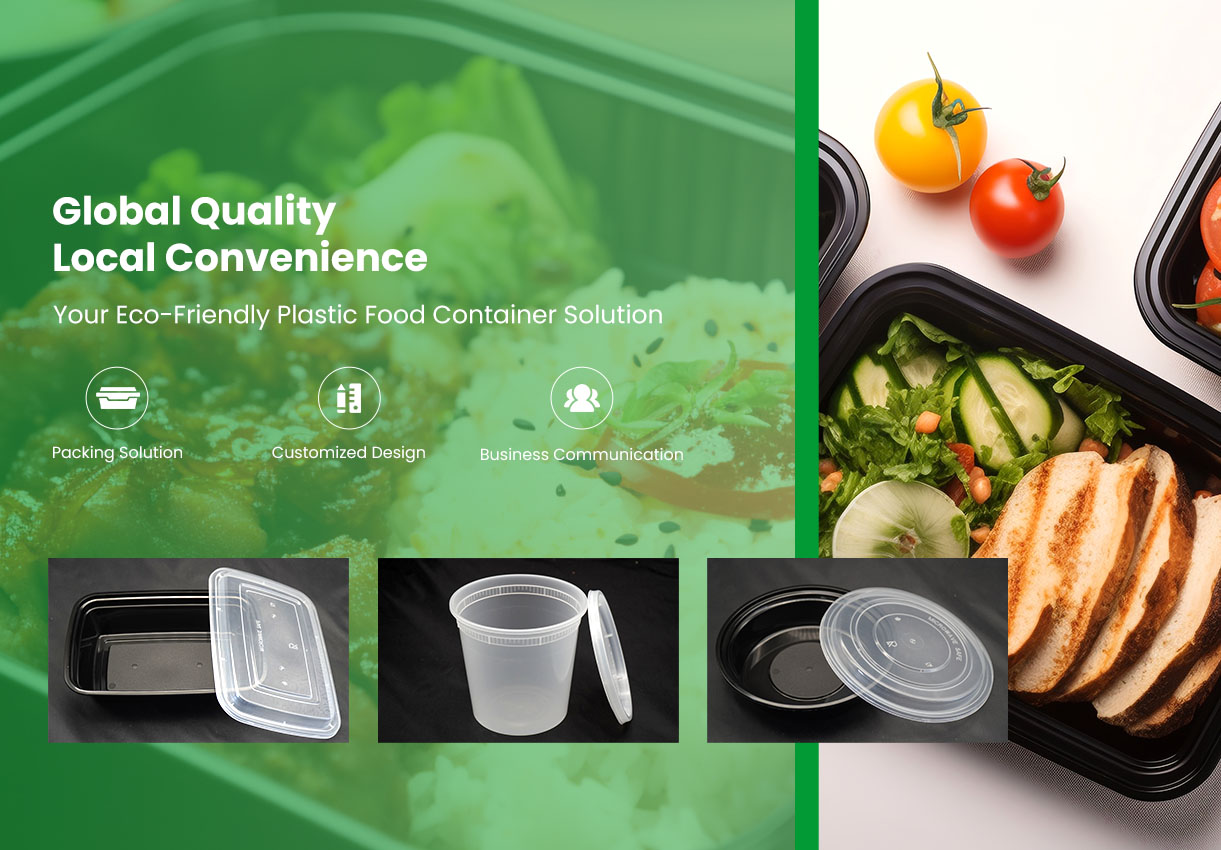
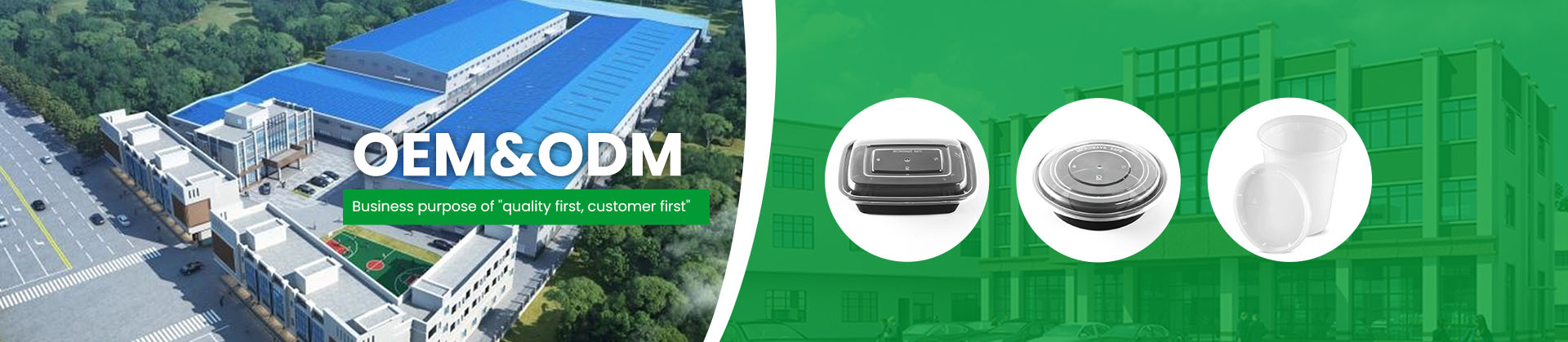
LVHUI focuses on disposable food packaging for takeaway meals, soup, lunch boxes, and food service applications. For buyers who need regular supply, the value is not only the shape of the container but also the consistency behind the product, including material selection, molding stability, size matching, and packing control.
Speed matters in fast food service. During lunch and dinner peaks, every extra step can slow down order fulfillment. A separate lid may look convenient in storage, but it can create problems when workers need to match different sizes quickly. A clamshell design avoids this issue because the lid is already attached to the base.
This makes the clamshell food box especially useful for meals that need fast filling and closing. Staff can open, fill, close, and stack the box with fewer movements. The design also reduces the chance of using the wrong lid, which is a common cause of leakage, lid lifting, or poor sealing during delivery.
For chain restaurants, central kitchens, and food distributors, this operational advantage is important. Packaging must support repeated daily use across multiple locations, not just look good in a sample photo. Stable dimensions, smooth edges, and easy closing performance all affect packing speed.
Delivery packaging faces pressure from stacking, movement, moisture, and temperature change. A container may be placed inside a delivery bag with drinks, side dishes, and other hot meals. If the box lacks strength, the lid may collapse or the base may bend. This affects both food appearance and customer satisfaction.
Well-designed fast food boxes need enough structural support at the corners, lid area, and base. The hinged design helps the container keep its shape because the lid and body work together as one unit. For fried foods, burgers, wraps, and combo meals, this can help reduce crushing during short-distance and medium-distance delivery.
Another key factor is stackability. Fast food outlets often pack many orders in a short time. Containers that stack evenly can save space on preparation counters, inside storage areas, and during transport. Better stacking also helps reduce carton volume pressure for distributors handling bulk shipments.
Different fast food meals place different demands on packaging. Fried foods need oil resistance and ventilation control. Rice dishes need base strength. Sauced meals need better closure. Hot foods require materials that remain stable during filling and transport. Cold foods may need better presentation and clarity.
For Disposable Plastic Containers, PP is often selected for hot food applications because of its heat resistance and toughness. For eco-oriented formats, plant fiber or biodegradable materials may be used when the application and certification requirements are clear. The key is to match the container material with the actual food condition rather than using one package for every menu item.
| Fast Food Type | Packaging Concern | Container Requirement |
|---|---|---|
| Burgers and sandwiches | Shape protection | Strong hinged lid and stable base |
| Fried snacks | Oil and steam | Grease resistance and suitable ventilation |
| Rice meals | Weight support | Firm bottom and reliable closure |
| Sauced meals | Leakage control | Tight lid fit and raised edge design |
| Combo meals | Food separation | Proper depth and stable stacking |
Food packaging is not only a cost item. It is also a safety responsibility. The U.S. FDA states that food contact substances used in packaging must be authorized for their intended use when required under federal law. The agency reviews safety information before authorization.
For European markets, food contact materials must meet the general safety framework under Regulation EC No 1935/2004, while plastic food contact materials also involve specific rules under Regulation EU No 10/2011. These requirements influence raw material choice, migration testing, and documentation expectations for importers and distributors.
This is why professional buyers should not only compare unit price. They should also ask whether the supplier can support food contact documentation, material information, and consistent production control. LVHUI’s value is stronger when product supply is connected with stable manufacturing, practical packaging knowledge, and export-oriented service.
Large orders require more than attractive samples. Buyers need cartons that are easy to store, containers that nest well, and product sizes that remain consistent across repeat shipments. When food containers vary in thickness, edge shape, or lid fit, the buyer may face complaints from restaurants and end users.
The clamshell format supports bulk handling because it is easy to count, stack, pack, and distribute. It also helps reduce the number of separate components in inventory. Instead of managing bases and lids as two stock items, buyers can manage one finished packaging item. This lowers the risk of inventory imbalance.
For wholesale, distribution, and private label supply, LVHUI can present product options by size, shape, material, and application. This helps customers build a complete packaging range for fast food service instead of purchasing only one isolated container type.
Customers often see the package before they see the food clearly. A weak or messy package can damage the perceived value of the meal. Clean edges, neat closure, suitable depth, and good hand feel make the food look more professional. For restaurants selling takeaway meals, packaging is part of the brand impression.
Reliable fast food packaging also helps reduce complaints caused by spilled sauces, flattened meals, or difficult opening. A good container should be easy for staff to close and easy for customers to open. It should protect the food without making the meal feel overpacked or inconvenient.
This is especially important for fast food chains and food service suppliers that want consistent presentation across different outlets. Packaging consistency supports menu standardization and helps the final customer receive a more predictable experience.
Before confirming a large order, buyers should review the real use scenario. A sample should be tested with the actual food, filling temperature, delivery time, stacking height, and packing process. Looking at a container alone is not enough.
Useful checks include:
Whether the lid closes smoothly after hot food filling
Whether the base bends under meal weight
Whether oily food weakens the structure
Whether steam affects presentation
Whether cartons protect the containers during shipping
Whether the size range matches the target menu
Whether the supplier can support repeat orders with stable specifications
These checks help avoid hidden costs after purchasing. A low-priced container may become expensive when it causes leakage, waste, repacking, or customer complaints.
LVHUI’s product direction matches the needs of takeaway, meal prep, soup, and disposable food service packaging. The company can support different container formats for practical meal applications, helping buyers select suitable packaging for fast food meals, hot food, delivery service, and daily restaurant supply.
A suitable container should help the kitchen work faster, keep food protected, support storage efficiency, and reduce packaging-related complaints. Clamshell design meets these needs because it combines simple operation with practical protection. When supported by stable manufacturing and proper material selection, it becomes a strong packaging option for fast food service.
Fast food demand continues to grow with convenience dining and delivery habits. Buyers who plan regular purchasing need packaging that performs consistently in real use, not just containers that look acceptable in a catalog. LVHUI can support this need with practical disposable food container solutions designed for daily food service operations.