Cracking is one of the most common quality concerns in takeaway packaging. For restaurants, meal prep kitchens, food distributors, and catering operations, a cracked box is not only a packaging defect. It can lead to sauce leakage, food contamination risk, delivery complaints, product returns, and higher replacement costs. That is why the durability of plastic food containers should be evaluated from material, structure, molding, storage, and real food application, not only from appearance.
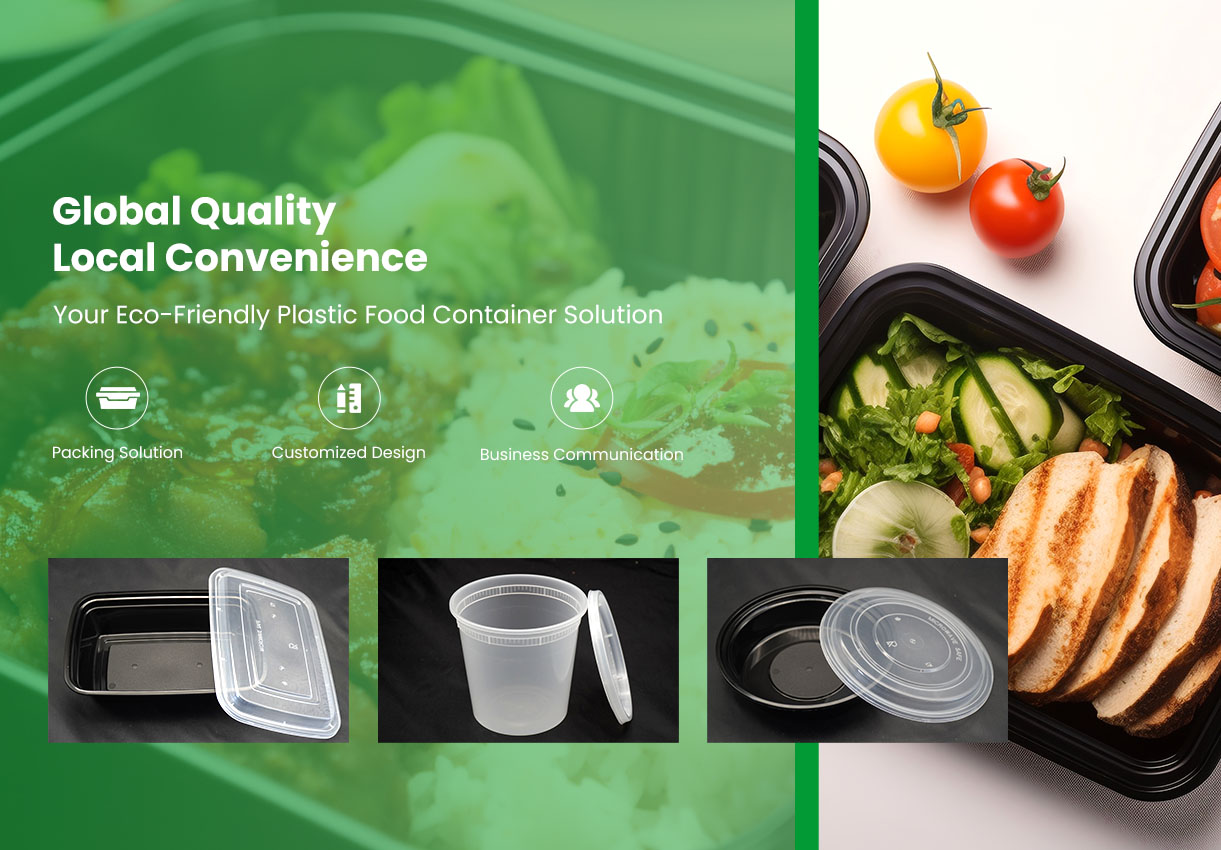
LVHUI focuses on disposable food packaging for takeaway meals, soups, rice dishes, cold food, and daily catering use. When we develop a Disposable Plastic Container, we pay attention to container toughness, lid matching, rim strength, stacking stability, and packing protection, because small details often decide whether the box can remain stable during filling, sealing, transport, and storage.
Most disposable meal boxes are made from PP or similar food-grade plastic materials. PP is widely used in food packaging because it has good heat resistance, chemical stability, and lightweight performance. According to Plastics Europe, plastics are widely applied in packaging because they can combine low weight, moldability, and functional protection in one material system. :contentReference[oaicite:0]{index=0}
However, not all PP materials perform the same. Virgin material, recycled content, filler ratio, melt flow index, and additive balance can all affect crack resistance. A container may look thick, but if the material formula is too brittle, the rim or corner can crack when pressed, stacked, or dropped.
LVHUI controls material selection carefully to support stable forming and better toughness. For products that need stronger performance, crack resistant containers should not rely only on heavier weight. The right material formula and stable production process are more important for long-term order consistency.
Cracking often happens after cold storage or refrigerated transport. Some plastic materials become less flexible when temperature drops, especially when containers are pressed by stacked cartons or handled roughly after refrigeration. Polypropylene is known for heat resistance, but several material references note that PP can become brittle in colder conditions if the material grade is not suitable. :contentReference[oaicite:1]{index=1}
This is important for salad, chilled meals, prepared food, frozen ingredients, and supermarket deli packaging. A container that performs well at room temperature may not perform the same after cold storage.
| Risk Factor | Possible Result | What Buyers Should Check |
|---|---|---|
| Cold storage | Brittle corners | Low temperature test |
| Heavy stacking | Rim cracking | Carton compression |
| Hot filling | Body deformation | Heat resistance |
| Tight lid pressure | Edge splitting | Lid fit accuracy |
| Rough delivery | Sidewall fracture | Drop resistance |
Some buyers think a thicker container is always stronger. This is not fully accurate. Wall thickness needs to be balanced across the bottom, sidewall, corner, and rim. If one area is too thin, stress will concentrate there. If the design is too rigid, the box may lose flexibility and crack under impact.
For disposable takeaway packaging, the rim is especially important. The lid needs enough locking force to prevent leakage, but excessive pressure can damage weak edges. LVHUI pays attention to mold design and forming stability so that each container keeps a more consistent shape during bulk production.
This is also why reliable disposable white plastic boxes should be judged by actual use testing, not only by product weight. A well-designed container can reduce cracking while keeping cost and stacking efficiency under control.
During production, temperature control, cooling speed, forming pressure, and trimming accuracy all affect product strength. If the plastic is not fully formed or the cooling process is uneven, the container may contain hidden stress. These weak points may not be visible when the product leaves the factory, but they can appear later as cracks during packing, shipping, or food filling.
As a plastic container supplier, LVHUI focuses on stable production control for repeated orders. Consistent molding is important because procurement teams often need the same container size, lid fit, carton quantity, and performance across different shipments.
Container cracking is not always caused by poor product quality. Sometimes the selected container does not match the food or service process. Hot soup, oily dishes, refrigerated meals, microwave reheating, and long-distance delivery all place different demands on packaging.
For example, a light container may work for dry snacks, but it may not be suitable for heavy rice meals with sauce. A shallow box may look economical, but it can create lid pressure when filled too high. A container used for cold food may need better impact toughness than a standard hot meal box.
Before bulk ordering, buyers should confirm:
Food type and average filling weight
Hot filling temperature
Storage temperature
Delivery distance
Stacking layers
Lid sealing method
Carton packing strength
LVHUI provides Disposable Lunch Boxes, soup cups, plastic food containers, and related takeaway packaging options for different foodservice needs. Our advantage is not only product variety, but also practical matching between material, structure, capacity, and application.
For large-volume orders, we can support suitable container selection based on food type, size requirement, lid style, and packing method. This helps reduce unnecessary product failure, improves packaging reliability, and supports smoother daily operation.
Crack prevention starts before production. It requires correct material selection, stable molding, reasonable structure, proper storage, and accurate application matching. With LVHUI disposable food packaging, buyers can build a more reliable takeaway packaging system for hot meals, cold food, soup items, and daily meal distribution.