Retail food display is no longer only about keeping food covered. For supermarkets, convenience stores, prepared meal counters, salad bars, and takeaway sections, packaging has become part of the selling space. When shoppers look at ready-to-eat food, they often make decisions within seconds. Clear visibility, clean presentation, lid stability, and portion appearance can directly influence whether the product looks fresh enough to buy.
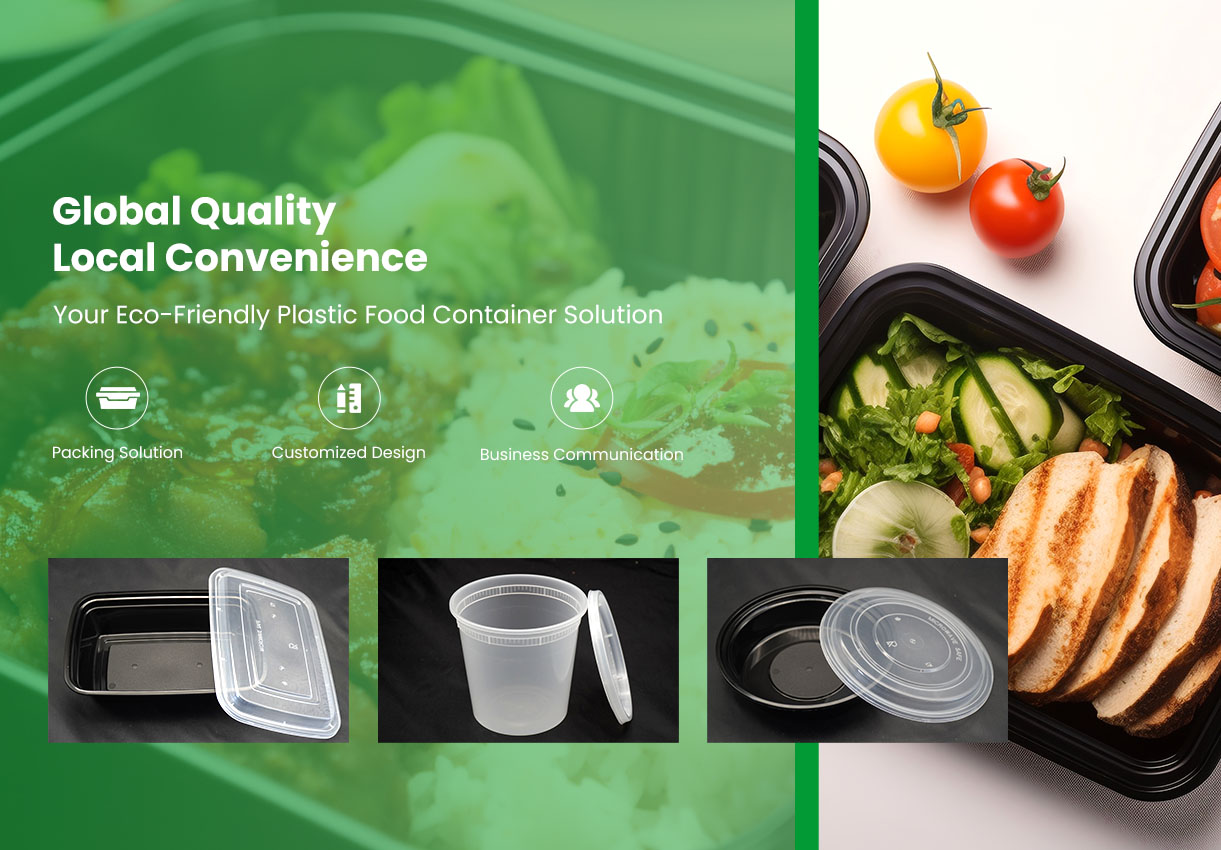
This is why transparent food containers are widely used in deli counters and prepared food shelves. They allow the customer to see color, texture, ingredient quality, sauce level, portion size, and overall freshness before purchase. For manufacturers such as LVHUI, the value of clear packaging is not only appearance. It also connects with food protection, stacking efficiency, store operation, transportation, and repeat purchasing.
According to Fortune Business Insights, the global food packaging market was valued at about USD 533.22 billion in 2025 and is projected to reach USD 930.89 billion by 2034. This growth is closely related to ready meals, takeaway food, supermarket deli products, and convenience food consumption. For food container buyers, display performance is becoming as important as basic packaging function.
Deli food is different from fully sealed packaged groceries. It often depends on freshness perception. A pasta salad, fruit cup, sushi tray, cold noodle box, roasted vegetable portion, dessert cup, or prepared meal must look appetizing before the customer reads the label.
Clear containers help shoppers confirm three things quickly:
Whether the food looks fresh
Whether the portion is enough
Whether the product matches the price
When packaging blocks visibility, the product needs more explanation from labels or staff. When the container is transparent, the food itself becomes the main selling point. This is especially important for chilled shelves, grab-and-go meals, fresh-cut fruit, deli salads, and ready meals placed under bright retail lighting.
For deli display packaging, transparency also helps stores reduce hesitation. Customers can compare different flavors, ingredients, and portion sizes directly. This makes the shelf easier to browse and can improve product turnover when food is arranged neatly.
Food display depends on more than the front view. The sidewall, lid shape, base structure, and stacking design all affect how the product appears on the shelf. A good transparent container should not make food look compressed, messy, or unclear.
LVHUI focuses on practical food packaging formats for takeaway, delivery, supermarket display, and prepared food use. For deli applications, container clarity helps show layered ingredients, sauces, toppings, and portion depth. This is useful for food categories where appearance carries strong value, such as salads, fruit, cold dishes, desserts, rice meals, pasta, and light meals.
A container with balanced transparency and proper rigidity can also help the food maintain a clean shape during transport from the packing area to the retail shelf. If the sidewall is too soft, the container may bend and make the food look unstable. If the lid fit is poor, condensation, leakage, or lid movement can weaken the display effect.
| Display Factor | Why It Matters For Retail Food |
|---|---|
| Container clarity | Helps customers judge freshness, color, and portion size |
| Lid fit | Keeps the display clean and reduces leakage risk |
| Anti-deformation structure | Protects food shape during stacking and handling |
| Stackability | Saves shelf space and improves store operation |
| Material suitability | Supports cold food, warm food, or selected hot food use |
| Label area | Allows barcode, nutrition, date, and brand information placement |
These details are important because deli food packaging must serve both the kitchen team and the retail shelf. It needs to be easy to fill, easy to close, easy to transport, easy to display, and easy for customers to open after purchase.
Prepared food sections are growing because shoppers want convenience without giving up visible freshness. Foodstorm reported in 2026 that 85% of shoppers were buying the same or more deli-prepared foods compared with the previous year, while 28% of grocery deli-prepared meals were replacing restaurant meals. This shows why supermarkets and food retailers need packaging that supports both convenience and visual trust.
A supermarket packaging supplier must understand this environment. Supermarket packaging is not only about unit cost. It also affects staff packing speed, cold shelf organization, product loss, customer complaints, and brand consistency across different store locations.
For example, if a supermarket chain sells prepared salads in several store branches, the container must keep the same look, size, closure feel, and display angle every time. Inconsistent packaging can make the product line look less professional. Consistent containers help stores build a cleaner prepared food section and make purchasing easier for repeat customers.
Transparent packaging cannot replace food safety testing, but it helps communicate cleanliness. Customers can see whether the food is properly separated, whether the sauce has spilled, whether the ingredients look damaged, and whether the lid area remains clean.
For procurement teams, material choice is still critical. PP is commonly used for food containers because it offers good toughness, suitable heat resistance for many foodservice uses, and stable forming performance. PET is often used for cold display packaging because of its high clarity. The correct material should be selected according to the food type, filling temperature, shelf condition, and end-use requirement.
LVHUI supplies multiple disposable food container formats, including plastic food containers, Disposable Lunch Boxes, soup cups, and related takeaway packaging. This allows buyers to match container shape and material with actual food applications instead of using one packaging style for every product.
Many display problems start from the lid. A clear container may look good at first, but if the lid lifts, fogs heavily, leaks, or shifts during stacking, the shelf presentation becomes weaker.
For deli foods, a stable lid helps in four ways:
Keeps food from spilling during handling
Makes stacked products look orderly
Reduces customer concern about contamination
Supports faster packing during busy production hours
This is also why soup packaging needs special attention. Products such as pp soup containers with lid should focus on secure closure, heat suitability, and liquid holding performance. Soup, porridge, sauces, curry, noodles, and stews create higher leakage pressure than dry meals. A lid that works for salad may not be suitable for hot liquid food.
Many purchasing problems happen because packaging is judged only by sample appearance. A container may look clear and attractive in a sample photo, but real performance depends on filling temperature, food weight, stacking height, transport distance, and shelf lighting.
Before bulk ordering, buyers should check:
Whether the container is suitable for the target food temperature
Whether the lid remains secure after filling
Whether the container wall stays stable under normal stacking
Whether the shape supports shelf display and carton packing
Whether labeling space is enough for retail requirements
Whether the supplier can maintain consistent quality across repeat orders
According to 360 Research Reports, the plastic food containers market is forecast to grow from about USD 44.34 billion in 2026 to about USD 66.18 billion by 2035, with a CAGR of 4.6%. As demand expands, buyers will need suppliers that can provide stable quality, clear specifications, and dependable large-volume production instead of only low unit prices.
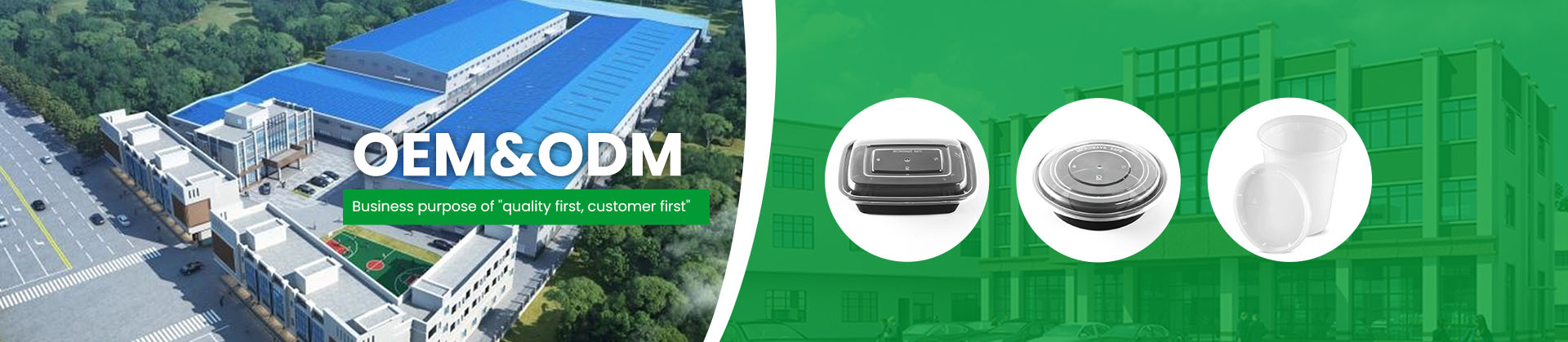
LVHUI’s advantage lies in providing practical disposable food packaging for foodservice, retail display, takeaway meals, and prepared food use. For customers handling multiple food categories, a wider container range helps simplify procurement. Round containers can support soups and sauced foods. Rectangular containers can support meals, salads, and rice dishes. Transparent formats can improve shelf appeal for deli and chilled food displays.
From a manufacturer’s perspective, good packaging should solve real usage problems. It should help food look better, reduce leakage complaints, improve packing speed, protect products during delivery, and make shelf management easier. LVHUI can support buyers with product matching, container size selection, packaging structure suggestions, and order planning for different food applications.
Transparent containers help deli food display because they turn packaging into a visible trust tool. They show freshness, improve shelf organization, support customer comparison, and make prepared food easier to sell in supermarkets, convenience stores, takeaway counters, and catering channels.
For food businesses that need stable display quality, the right container should combine clarity, lid security, material suitability, stackability, and consistent production. LVHUI provides disposable food container solutions that help make ready-to-eat food look cleaner, fresher, and more reliable from packing line to retail shelf.