Restaurant meals no longer stay only inside the dining room. Takeout, pickup, drive-thru, and delivery have become daily operating channels, so packaging quality directly affects food presentation, customer reviews, refund rates, and repeat orders. The National Restaurant Association reported that 75% of restaurant traffic involves off-premises orders, and 90% of customers would order a wider variety of food for takeout or delivery when upgraded packaging helps maintain temperature, taste, and quality.
For restaurant operators, packaging is not just a disposable cost. It is part of the meal experience. When a container leaks, collapses, softens, or opens during delivery, the restaurant may face complaints even if the food itself was prepared correctly. Reducing the packaging failure rate starts with understanding where failures usually happen and how a reliable manufacturer can control them before shipment.
Many packaging problems come from using one container for too many menu types. Rice meals, fried food, soup, noodles, salad, and sauced dishes do not need the same structure. Hot meals need heat resistance and stronger wall support. Liquid food needs a tighter lid fit. Cold display food may need higher clarity and better stacking appearance.
This is why restaurant food packaging should be matched by food type, serving temperature, filling weight, and delivery distance. A container that performs well for dry meals may fail with oily sauces. A box that looks rigid when empty may deform after hot filling. A lid that closes during packing may loosen after stacking pressure inside a delivery bag.
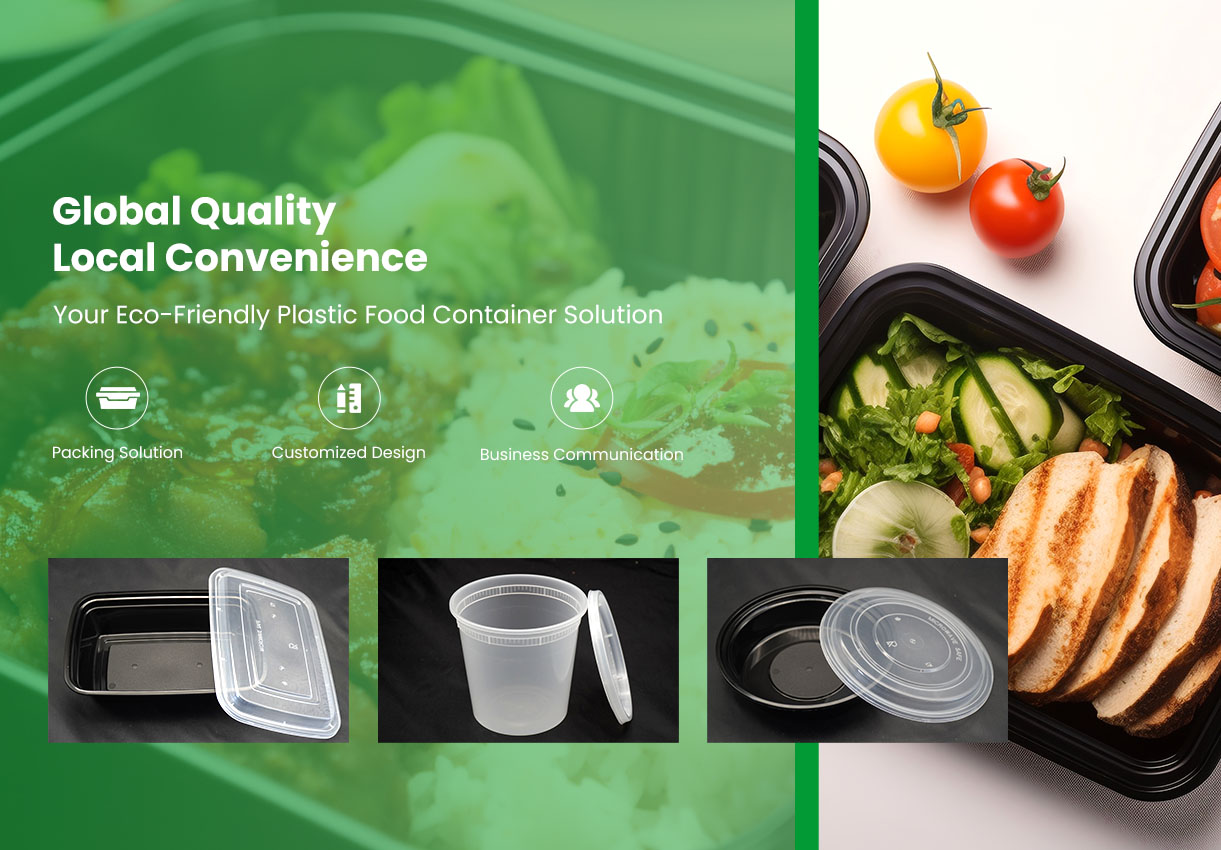
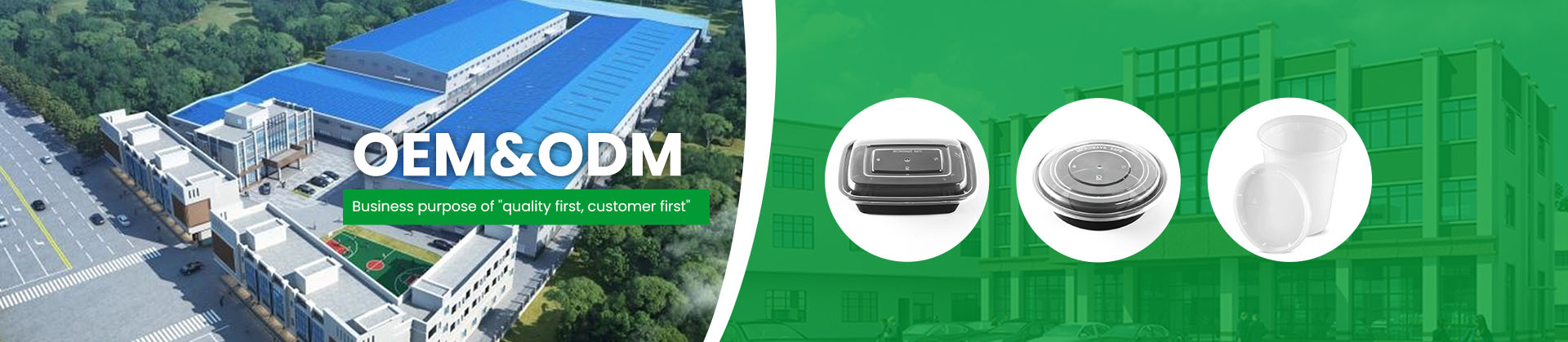
LVHUI offers multiple disposable food container options, including soup cups, plastic food containers, lunch boxes, and food storage boxes. This product range helps buyers build a more practical packaging system instead of relying on a single container style for every menu.
Packaging failure becomes easier to control when it is measured through clear checkpoints. The table below shows the common problems and what should be reviewed before bulk ordering.
| Failure Point | Common Cause | What To Check Before Ordering |
|---|---|---|
| Lid opening | Poor rim fit or weak closure | Lid tightness after filling and stacking |
| Bottom deformation | Low heat resistance or thin structure | Hot food test and filled weight test |
| Sidewall cracking | Brittle material or poor molding control | Drop test and cold storage test |
| Sauce leakage | Wrong container shape or loose lid | Liquid sealing test during movement |
| Poor stacking | Unstable rim design | Carton stacking and delivery bag test |
| Size inconsistency | Unstable production tolerance | Dimensional inspection by batch |
These checks are especially important for chain stores because one small failure can repeat across many locations. Consistency matters more than one sample looking good.
Hot food creates one of the highest risks for disposable containers. When rice, soup, curry, pasta, or oily meals are packed immediately after cooking, the container must handle heat without softening too quickly. Some complaints in food delivery markets include melted containers and crushed bottoms when hot meals are packed in unsuitable disposable packaging.
PP material is commonly used for hot meal packaging because it has better heat resistance than many clear cold-food plastics. However, material alone is not enough. Wall thickness, injection molding stability, lid structure, and container depth all affect real performance.
For example, 12oz disposable food storage boxes are suitable for controlled portions, side dishes, rice meals, and small takeaway servings when the container design matches the food weight and filling temperature. For larger meals or liquid-rich dishes, a stronger structure or different capacity may be needed.
Lid failure is one of the most visible packaging problems. The customer sees leakage before tasting the food. During delivery, containers may be tilted, squeezed, stacked, or shaken. If the lid does not lock evenly around the rim, sauces and steam can push against weak points.
A better lid system should close smoothly for staff, stay stable after stacking, and remain practical for customers to open. Restaurant chains also need packing speed. If a lid is too hard to close, staff may not press every corner properly during peak hours. That increases failure risk even when the container itself is acceptable.
LVHUI’s disposable containers are designed for foodservice packing scenarios, where lid matching, stacking, and daily use convenience must work together. For purchasing teams, requesting matching lids and testing them with real menu items is more useful than checking container samples alone.
Food packaging directly touches meals, so safety documentation is part of procurement risk control. In the European Union, Regulation EC No 1935/2004 sets the general safety and inertness principles for food contact materials. Plastic food contact materials are also covered by Regulation EU No 10/2011, which includes requirements related to composition, authorized substances, and migration limits.
This matters because restaurant chains often operate across regions or supply multiple local stores. Packaging that lacks clear material information may delay approval, create customer concerns, or increase replacement cost later.
A professional chain restaurant supplier should support buyers with material clarity, stable production, product specifications, and inspection communication. LVHUI’s manufacturing role is not only to provide disposable boxes, but also to help customers reduce uncertainty before large-volume orders.
A lower failure rate depends on repeatable manufacturing. Even when the first sample looks acceptable, bulk production must keep the same lid fit, wall strength, surface quality, and carton packing condition.
LVHUI’s advantage is reflected in several practical areas:
Multiple product categories for different takeaway and food storage needs
Stable container specifications for repeat orders
Foodservice-oriented designs for hot meals, soup, rice, and prepared food
Support for wholesale supply and customized packaging requirements
Practical product matching for restaurants, distributors, and food packaging buyers
For chain operators, this helps simplify procurement. Instead of sourcing soup cups from one supplier and lunch boxes from another, they can build a more unified container supply plan with compatible sizes and stable production communication.
Sample evaluation should not stop at appearance. A useful test should copy the restaurant’s real workflow. Fill the container with the actual food, close the lid during peak-speed packing, stack it inside a bag, leave it for the expected delivery time, then check leakage, deformation, odor, lid stability, and customer opening experience.
A simple test process can include:
Fill the container with hot food at normal serving temperature
Close the lid using the same method as store staff
Stack two or three containers for pressure simulation
Move the package for delivery vibration testing
Check the rim, bottom, lid, and food condition after transport
Record failure points before confirming bulk order specifications
This method helps buyers select containers based on real performance, not only catalog information.
Reducing packaging failure is not about buying the thickest or most expensive disposable box. It requires the right match between material, food type, lid design, capacity, heat resistance, stacking strength, and supply consistency.
For restaurant chains, every failed container can become a complaint, refund, or negative review. LVHUI supports foodservice packaging needs with Disposable Lunch Boxes, soup cups, plastic food containers, and food storage boxes designed for practical takeaway use. With better product matching, stable manufacturing, and clear testing before bulk orders, restaurants can reduce packaging risk and deliver meals with better consistency from kitchen to customer.