Many packaging buyers do not start private label projects because they simply want a different logo. They usually start because their market needs a more stable product line, clearer packaging identity, and a supplier who can repeat the same quality across every order. For disposable food packaging, this is especially important because containers are used every day in restaurants, takeaway stores, catering kitchens, supermarkets, and wholesale channels.
When buyers work with LVHUI on OEM food containers, the goal is not only to customize appearance. The real value is to build a container solution that matches food type, packing method, distribution channel, and brand positioning. A private label product should be easy to recognize, easy to reorder, and reliable in actual foodservice use.
Private label packaging helps buyers control how their products appear in the market. However, appearance alone is not enough. A container with a nice carton design may still fail if the lid is loose, the wall is too soft, or the capacity does not match local food portions.
According to Grand View Research, the global food service packaging market was valued at more than USD 120 billion in 2023. Growth is strongly connected with takeaway meals, delivery services, prepared food, and quick-service dining. This also means packaging buyers are facing more competition, so a clear private label product line can help them stand out in local markets.
A private label container needs to answer practical questions:
Can it hold the right food portion?
Can the lid match tightly?
Can the carton be identified quickly in the warehouse?
Can the product be supplied again with the same specification?
Can the packaging support local restaurant, catering, or distributor needs?
These questions are more important than simple surface decoration.
A standard disposable container becomes more valuable when it is organized as a product line. For example, one buyer may need round soup containers for hot liquid meals, rectangular containers for takeaway rice dishes, and compartment boxes for set meals. Another buyer may focus on supermarket prepared food and need cleaner packing presentation.
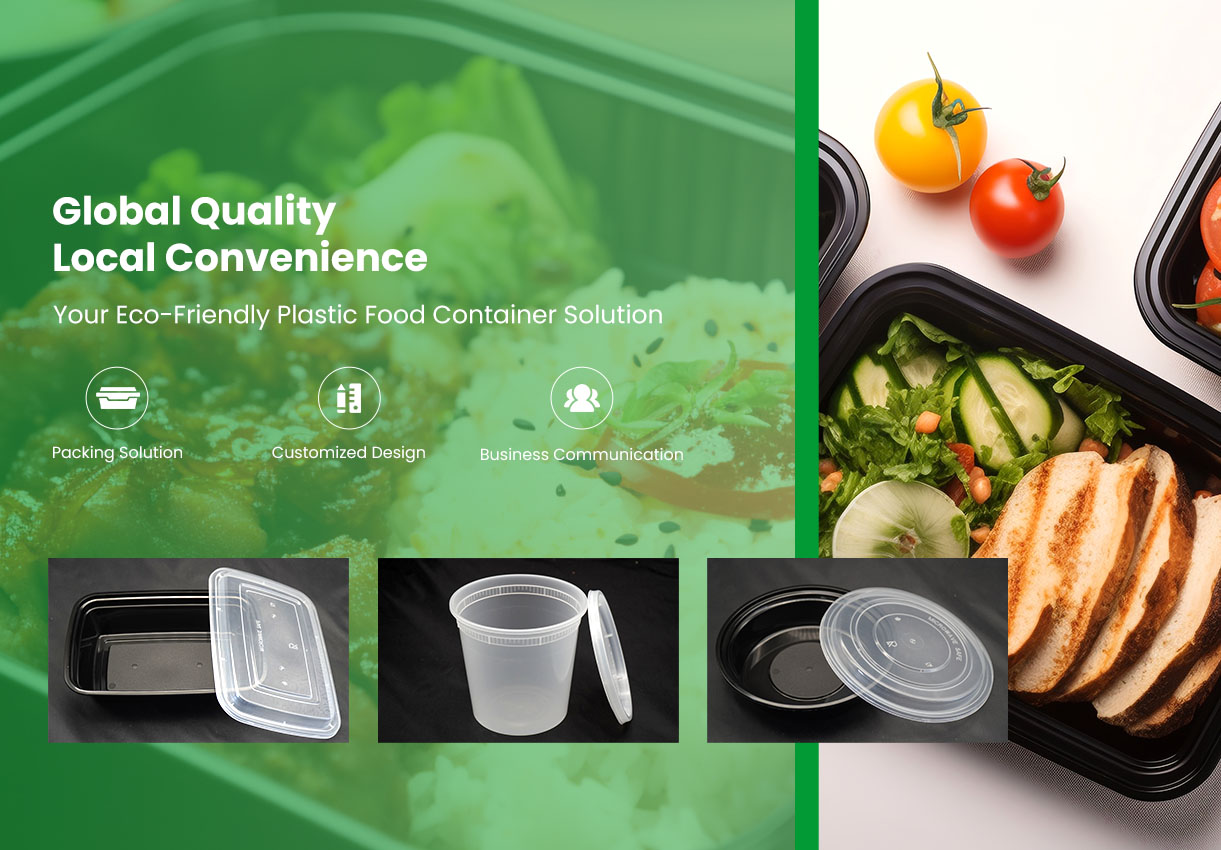
LVHUI produces disposable tableware products including plastic food containers, soup cups, lunch boxes, and biodegradable food packaging options. This product range gives buyers more flexibility when building private label containers for different foodservice channels.
Private label development can include:
Choosing suitable container shapes for target food
Matching lids according to sealing needs
Adjusting color for market positioning
Confirming carton quantity for local distribution
Adding carton marks for warehouse management
Supporting repeat order specifications
Coordinating mixed product purchasing plans
This process helps buyers move from single product purchasing to a more complete packaging supply plan.
Some buyers think OEM packaging only means printing a logo on the outer carton. For food containers, OEM work should go deeper than that. The container itself must match the food application first.
A fast food container used for fried meals needs space, stacking strength, and oil resistance. A soup container needs better lid fit and stronger sealing. A meal prep box needs stable portions and smooth stacking. If all products are treated the same way, the final packaging may not perform well in the market.
The U.S. Food and Drug Administration states that food contact materials should be suitable for their intended use. For disposable food packaging, this makes material selection and structural matching very important. A private label food container must be practical before it becomes branded.
Private label packaging depends on repeatability. A buyer may test one batch successfully, but the real challenge is whether the same result can be repeated in later orders. LVHUI supports this through manufacturing coordination, product specification confirmation, and packing detail control.
| Buyer Concern | OEM Control Direction | Practical Value |
|---|---|---|
| Product looks different between batches | Confirm size, color, weight, and packing details | Keeps private label image consistent |
| Lids do not fit well | Match lid and container body before mass production | Reduces leakage and packing complaints |
| Cartons are hard to manage | Use clear carton marks and quantity information | Improves warehouse sorting efficiency |
| Product line is too limited | Combine soup cups, lunch boxes, and food containers | Supports wider sales channels |
| Reorder quality changes | Keep confirmed specifications for repeat production | Makes long-term purchasing easier |
This kind of control helps buyers reduce communication costs and avoid repeated quality disputes.
Not every private label project needs a new mold. In many cases, using an existing container structure and customizing the packing method, carton mark, color, or product combination is more efficient. This can reduce development cost and shorten the time needed to launch products in the market.
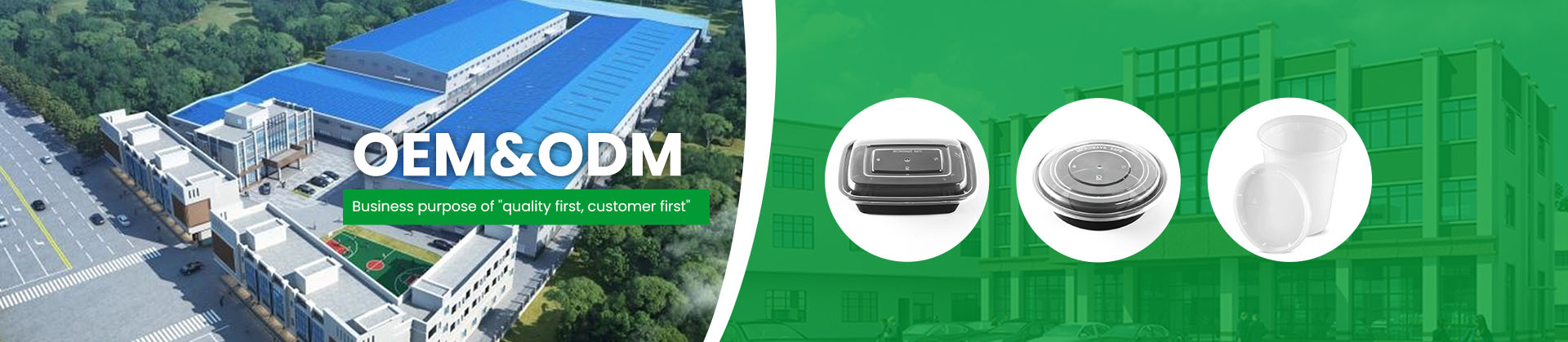
LVHUI’s production base covers about 35,000 square meters in Taishan, Guangdong, according to company information. This gives the company a stronger foundation for product supply, order planning, and repeat production. For buyers who need stable private label packaging, factory capacity and coordination ability are important parts of supplier selection.
As a custom packaging supplier, LVHUI can help buyers avoid over-customization. This is important because excessive customization may increase mold cost, production risk, inventory pressure, and delivery time. Practical customization should improve market fit without making the order difficult to produce.
Before starting an OEM order, buyers can divide the project into three layers.
The first layer is product use. This includes food type, serving size, temperature, oil content, and delivery method. A container for hot soup should not be planned in the same way as a container for salad or dry snacks.
The second layer is sales channel. Restaurant supply, wholesale distribution, supermarket prepared food, and takeaway packaging all need different packing logic. Some channels need stronger cartons. Some need clearer labels. Some need more size options.
The third layer is brand presentation. This includes color, carton design, logo use, barcode, product name, and packaging information. Brand design should be built after product function is confirmed, not before.
This planning method helps reduce mistakes and makes private label packaging easier to manage.
A smoother OEM order usually starts with clear information. Buyers should prepare the target container type, estimated order quantity, food application, preferred material, lid requirement, carton packing style, and private label details.
For repeat orders, it is also useful to confirm whether the same product will be sold through one channel or several channels. This affects carton design, product naming, packing quantity, and warehouse handling.
Clear preparation allows LVHUI to recommend suitable container options and arrange production details more efficiently. It also helps buyers avoid unnecessary changes after mass production starts.
OEM food containers help buyers build private label packaging with stronger control over product identity, application, and supply stability. The value is not only in customization, but also in making the product easier to sell, easier to store, easier to distribute, and easier to reorder.
LVHUI supports private label food packaging through disposable tableware manufacturing experience, multiple container categories, practical customization coordination, and stable production planning. With the right container structure, clear specifications, and controlled packing details, private label packaging can become a dependable product line for foodservice and wholesale supply.