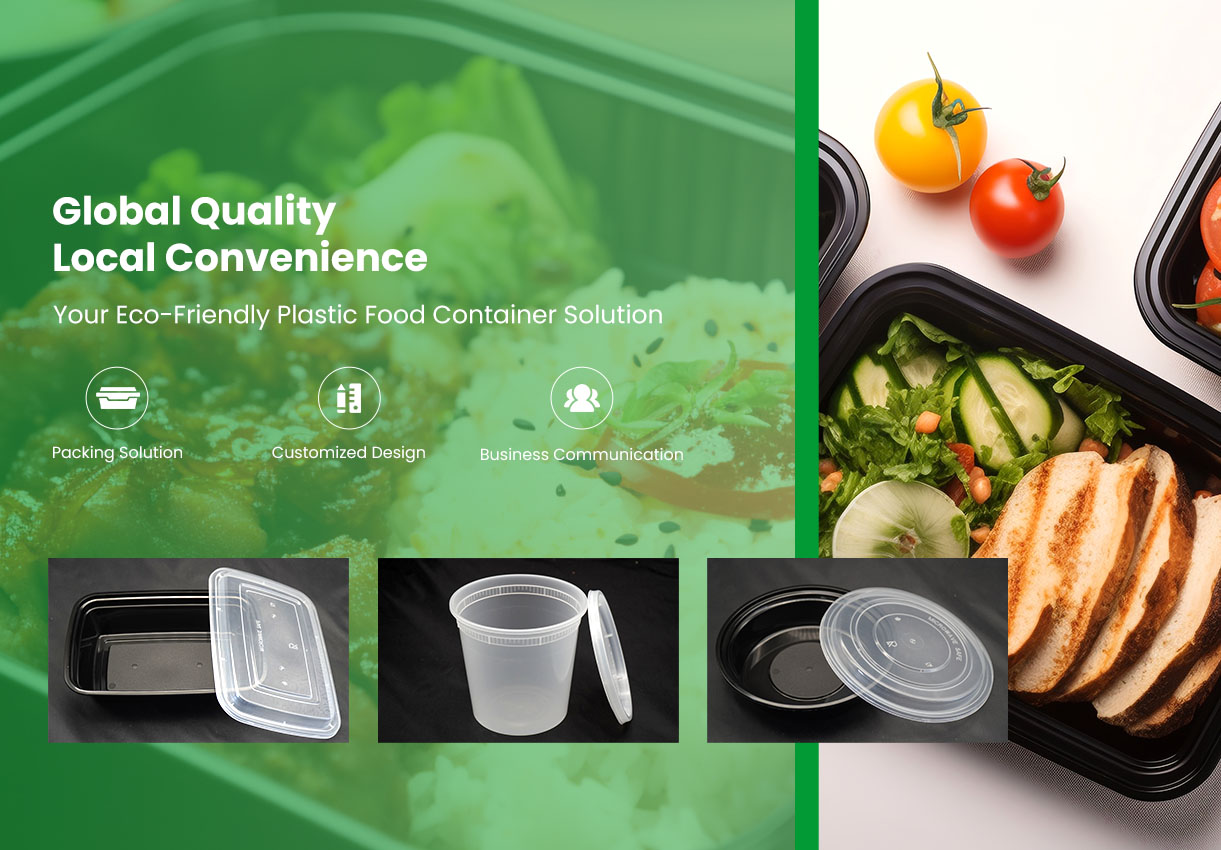
Hot soup packaging is more demanding than many other takeaway food applications. Liquid meals move during delivery, create steam after sealing, and place continuous pressure on the container wall. For restaurants, catering kitchens, and food packaging buyers, a soup container must do more than hold food. It must help protect temperature, reduce leakage risk, keep the lid stable, and support smooth packing during busy service hours.
This is why pp soup containers are widely used for hot soup, noodles, porridge, sauces, curry, and other liquid meals. Compared with many general disposable packaging materials, PP has a better balance of heat resistance, flexibility, impact strength, and cost control, making it suitable for high-frequency foodservice use.
Soup is not packed like dry food. When hot liquid is poured into a container, the material faces heat, weight, steam, and movement at the same time. If the container is too soft, the side wall may deform. If the lid does not match tightly, the meal may leak during delivery. If the rim is not strong enough, sealing becomes unstable after filling.
The U.S. Food and Drug Administration notes that food contact materials should be suitable for their intended use. For hot food packaging, this means the container material and structure must match the temperature, food type, and handling method.
A reliable soup container should solve several practical problems:
Maintain shape after hot filling
Keep the lid firmly connected with the rim
Reduce leakage during takeaway delivery
Support stacking before use and after packing
Handle oily soup, broth, sauces, and moist food
Keep packing speed efficient during peak hours
These requirements explain why material selection is so important.
Polypropylene is commonly used in food packaging because it has good heat resistance compared with many other disposable plastic materials. According to Plastics Europe material data, polypropylene has a typical melting point range of about 160°C to 170°C, depending on grade and formulation. This does not mean every PP container should be used at that temperature, but it shows why PP is often selected for warm and hot food contact applications.
For takeaway soup, the real challenge is not only the heat itself. Steam pressure, hand pressure, lid sealing, and transport movement also affect performance. PP offers a useful combination of stiffness and flexibility, so the container can resist deformation while still allowing the rim and lid to connect securely.
This is one reason buyers often prefer hot liquid containers made from PP for soup packaging.
A soup container is only reliable when the body and lid work together. A good container body needs a clean rim, stable roundness, and consistent dimensions. When the rim is uneven or the lid size changes between batches, leakage complaints may increase.
LVHUI pays attention to container and lid matching during production because liquid food packaging leaves little room for error. Even a small gap can become a problem when soup shakes inside a delivery bag. For high-volume orders, dimensional consistency is especially important because buyers need the same packing result across every carton.
Strong lid fit can help with:
Faster sealing during restaurant operation
Lower risk of liquid overflow
Better stacking stability after filling
More consistent user experience for takeaway meals
For distributors and foodservice buyers, these details directly affect reorder confidence.
Hot soup creates pressure from inside the container. When a container wall is too thin or the material quality is unstable, the body may become soft after filling. This makes the container harder to hold, harder to stack, and easier to spill.
A well-designed pp plastic soup cup should balance thickness, weight, and strength. Overly thin products may reduce cost at first, but they can create problems in real use. Overly heavy products may increase packaging cost and shipping volume. The right design depends on capacity, food temperature, lid type, and customer market positioning.
LVHUI provides different Disposable Soup Cup sizes to support varied food applications, from small soup portions to larger takeaway meals. This allows buyers to select packaging according to serving size rather than using one general container for every menu item.
| Packaging Material | Common Use | Suitability For Hot Liquid Food | Key Consideration |
|---|---|---|---|
| PP | Soup, noodles, hot meals | Strong overall performance | Good heat resistance and flexible lid fit |
| PET | Salads, cold food, display packaging | Not ideal for hot soup | Better for clarity and cold applications |
| Paper with lining | Soup cups, drinks, takeaway food | Depends on lining quality | Needs strong barrier against liquid |
| Bagasse | Eco meal boxes, dry or moist food | Limited for very liquid meals | Better for solid meals and short holding time |
This comparison shows why PP remains a practical choice for hot soup packaging, especially when buyers need consistent performance, controlled cost, and flexible capacity options.
A good material is only part of the solution. Production control decides whether every container performs the same way. For soup packaging, buyers should care about mold accuracy, rim consistency, wall thickness, lid matching, carton packing, and inspection standards.
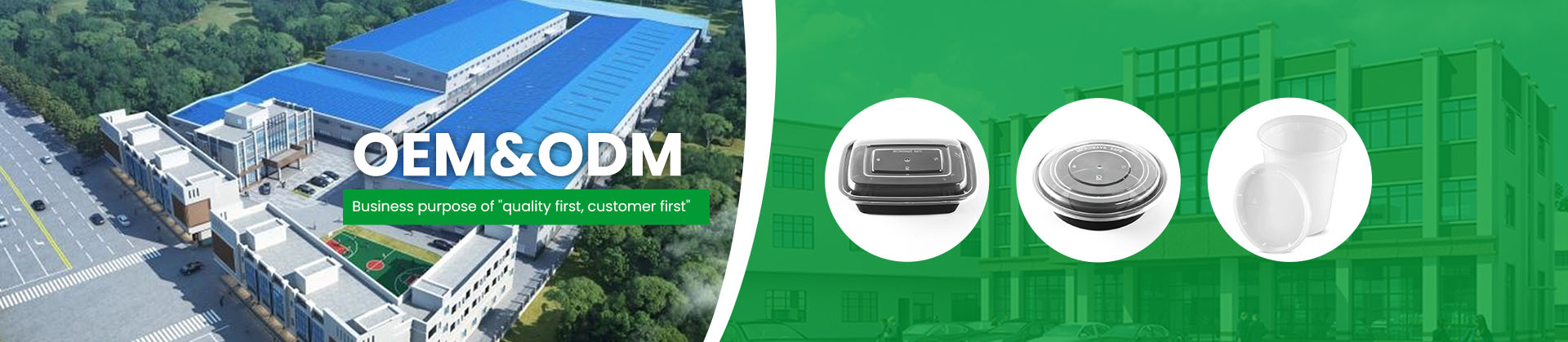
As a soup container manufacturer, LVHUI supports disposable food packaging buyers with a production base of about 35,000 square meters, according to company information. This scale helps support steady production planning, multiple product specifications, and repeat order supply.
Large orders require stable production details such as:
Consistent container capacity
Smooth rim forming
Accurate lid matching
Clean surface appearance
Controlled carton quantity
Clear packing identification
These points are especially important for importers, food packaging wholesalers, restaurant supply distributors, and takeaway packaging buyers.
Busy foodservice operations need packaging that workers can use quickly. During lunch or dinner peaks, staff do not have time to test each lid or adjust each container. Packaging should be easy to separate, easy to fill, easy to seal, and easy to stack.
PP soup containers help improve operational efficiency because they are lightweight, stackable, and suitable for many hot food applications. When paired with a secure lid, they can support soup delivery, meal prep packaging, catering supply, and prepared food sales.
This gives buyers more flexibility when building a packaging product line. One soup container series can serve different channels, including restaurants, supermarkets, takeout stores, and food packaging distributors.
PP soup containers are a strong choice for hot liquid food because they combine heat resistance, flexible strength, lid compatibility, and cost efficiency. For soup, noodles, porridge, sauces, and hot takeaway meals, these features help reduce leakage risk, improve handling, and support stable foodservice packaging.
LVHUI focuses on disposable tableware manufacturing and provides practical soup container solutions for buyers who need reliable quality, stable supply, and suitable packaging for hot food applications. With controlled production, matched lids, and multiple capacity options, PP soup packaging can become a safer and more efficient choice for large-scale food packaging supply.