Reliable supply is one of the biggest concerns when buyers purchase disposable food packaging in bulk. A food container may look simple, but a large order involves material preparation, molding stability, lid matching, carton packing, warehouse planning, and shipment coordination. When any step is not controlled well, problems such as late delivery, mixed specifications, weak cartons, loose lids, and unstable thickness may affect the whole purchasing plan.
For LVHUI, supporting large volume orders is not only about producing more pieces. It is about helping buyers receive consistent products that can be used smoothly in restaurants, takeout chains, catering kitchens, food delivery operations, and wholesale distribution channels. This requires a factory system that can manage both quantity and detail.
Many buyers compare prices first, but large order management depends on much more than unit cost. A supplier must be able to repeat the same size, weight, lid fit, color, and packing method across thousands or even millions of pieces. Small differences may not be obvious in a sample, but they become serious when products enter packing lines or restaurant operations.
According to data from Statista, global online food delivery revenue is expected to continue growing in the coming years, and packaging demand is closely connected with takeaway meals, prepared foods, and quick service dining. This market growth makes stable disposable container supply more important for distributors and foodservice operators.
A strong supplier should prepare production around these points:
Stable raw material sourcing
Mold control for consistent dimensions
Clear production scheduling
Batch inspection during production
Final packing checks before loading
Export documents prepared according to shipment needs
This is why experienced food container suppliers should not only provide products, but also help reduce order risks.
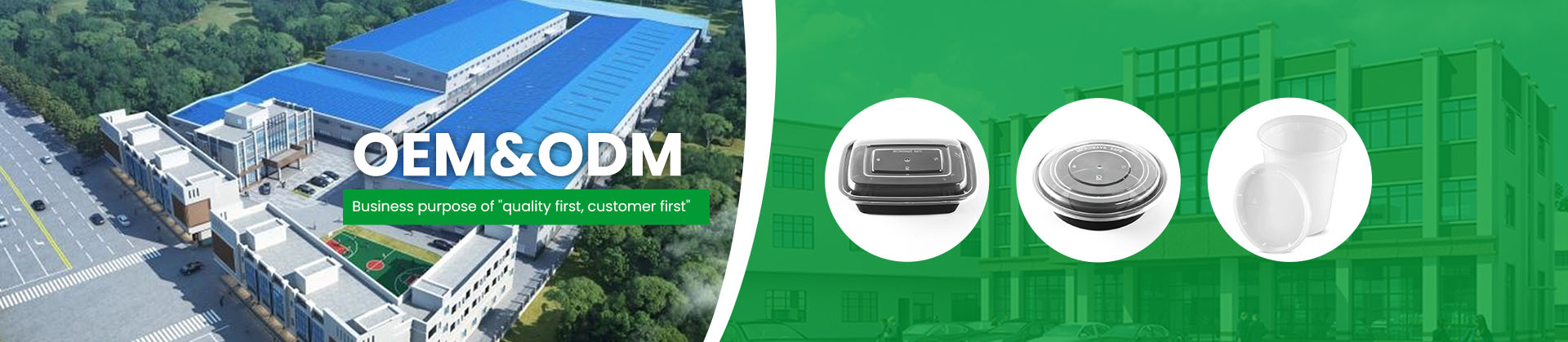
LVHUI focuses on disposable environmental protection tableware, including soup cups, plastic food containers, lunch boxes, and biodegradable meal box options. According to information from the LVHUI website, the factory covers about 35,000 square meters in Taishan, Guangdong. This production scale gives the company a stronger foundation for handling repeat orders, mixed specifications, and long term purchasing plans.
For buyers who need steady supply, factory scale matters because it affects scheduling flexibility. When one order includes different container sizes, lid types, and packing requirements, the supplier must arrange machines, materials, cartons, workers, inspection, and loading time in advance. A larger production base helps reduce delays caused by crowded schedules or limited workshop space.
LVHUI also has experience with product development and automated production workshops. This helps improve consistency for daily production and supports more efficient order planning when buyers need repeat purchasing.
Large orders should not move directly from quotation to production without specification confirmation. Before production starts, both sides should confirm product details clearly. This includes material, capacity, wall thickness, lid structure, carton quantity, inner packing, outer carton marks, and target application.
For example, a Disposable Fast Food Container used for rice meals may need different performance from a soup container used for hot liquid food. A meal box should focus on stacking strength, lid closure, and portion space. A soup cup should focus more on leakage control, lid fit, and resistance to heat deformation.
| Control Item | Why It Matters For Large Orders |
|---|---|
| Material type | Affects heat resistance, clarity, strength, and food contact use |
| Container size | Influences meal portion, carton quantity, and storage space |
| Lid matching | Reduces leakage, loose fitting, and delivery complaints |
| Wall thickness | Affects strength, cost, stacking, and deformation risk |
| Carton packing | Protects products during export transport and warehouse handling |
| Batch inspection | Helps find defects before the full order is completed |
The U.S. Food and Drug Administration states that food contact materials should be suitable for their intended use. For disposable food packaging, this makes material selection and production control especially important.
For large purchasing plans, delivery pressure usually comes from three areas: production schedule, packing speed, and shipping readiness. Even when containers are produced on time, weak coordination can still delay loading.
LVHUI can support buyers by arranging order details earlier. When specifications are confirmed before production, the factory can prepare raw materials, molds, cartons, and labels more efficiently. This reduces repeated communication and avoids last minute changes that may affect delivery.
A practical delivery plan should include:
Sample or specification confirmation before production
Material and carton preparation after order confirmation
Production schedule based on quantity and product type
Inspection during production instead of only at the end
Packing list and shipment information prepared before loading
For a commercial packaging supplier, delivery stability is part of product value. Buyers are not only purchasing containers; they are protecting their own sales schedule, warehouse plan, and customer supply chain.
disposable food containers are lightweight, but they can still be damaged during long distance transport if the carton structure is weak or the packing method is not suitable. Deformation, crushed rims, scratched surfaces, and lid distortion may appear when cartons are overloaded or stacked poorly.
Good packing design helps maintain product shape during storage and shipment. It also improves warehouse efficiency because buyers can calculate carton quantity, pallet space, and container loading more clearly.
For wholesale orders, carton marks should also be easy to identify. Product name, size, quantity, batch information, and carton number can help warehouse teams sort goods faster after arrival. These details are often ignored in small orders, but they are very important when the purchase volume is large.
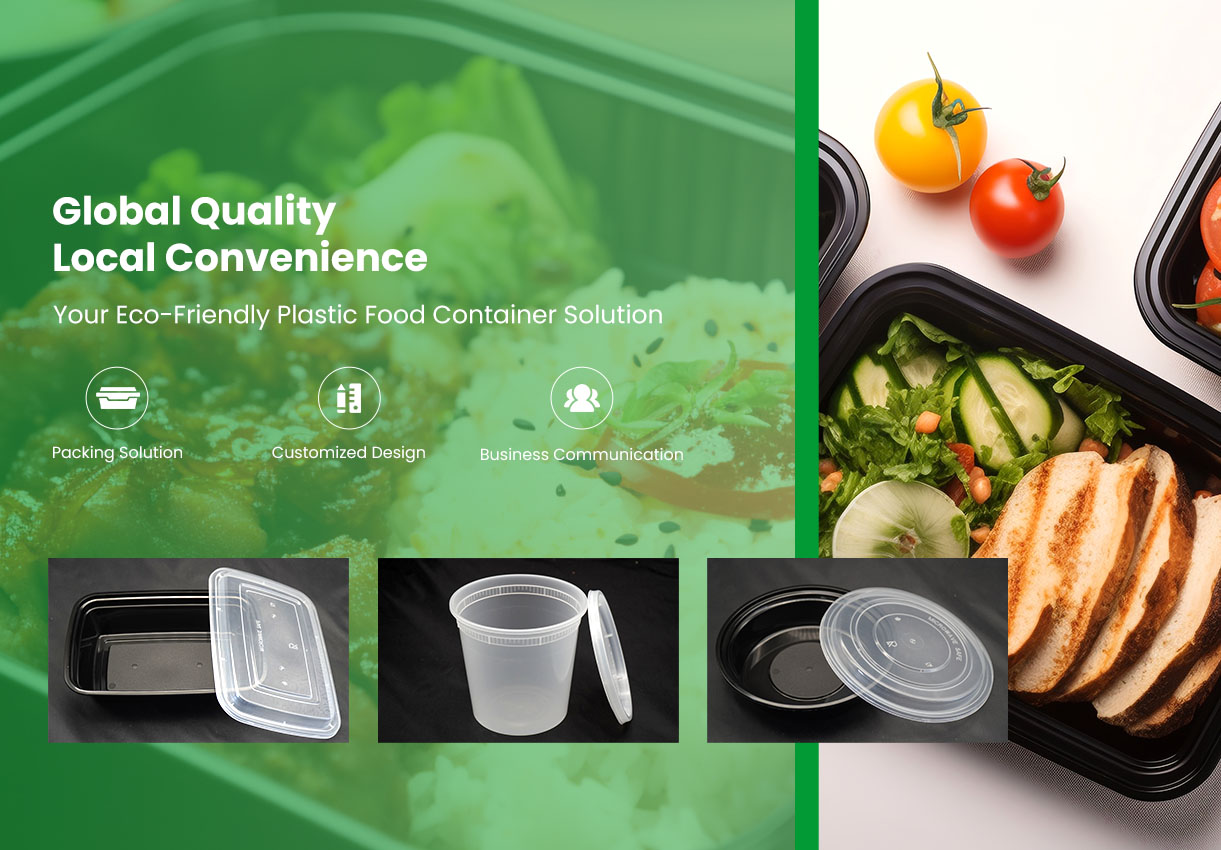
Large buyers usually need more than one product type. A restaurant distributor may need soup cups, rectangular containers, round containers, and lunch boxes at the same time. A takeaway packaging buyer may also need products for hot meals, cold food, meal prep, and catering use.
LVHUI’s product range gives buyers more room to combine different container formats within one purchasing plan. This can reduce supplier communication costs and make specification management easier. When products come from the same manufacturing system, it is also easier to maintain consistent quality standards across different categories.
Another advantage is customization support. For repeat orders, buyers may need carton marks, packaging adjustment, different color options, or container design improvements. A manufacturer with development capability can respond more effectively than a trading only supplier.
Before confirming a high volume order, buyers should ask practical questions that affect order safety:
Can the supplier keep the same specification across repeat orders?
Are matching lids tested together with the container body?
What carton packing method is used for export shipment?
Can the supplier support mixed sizes in one purchasing plan?
How is quality checked during production?
Can production be arranged according to a stable delivery schedule?
These questions help buyers move beyond basic price comparison and evaluate real supply capability.
Large disposable food container orders require a supplier that understands both production and procurement pressure. Stable material control, accurate molds, strong packing, clear inspection, and shipment coordination all affect the final order result.
LVHUI supports buyers with a 35,000 square meter production base, broad disposable tableware categories, automated workshop capability, and practical experience in food packaging supply. For companies that need steady container purchasing, reliable manufacturing support can help reduce quality risks, delivery pressure, and repeated communication during bulk procurement.