Growing environmental regulations and shifting consumer expectations are reshaping how food packaging is designed, produced, and delivered. Manufacturers are no longer focused only on functionality and cost. The industry is moving toward materials, structures, and supply systems that reduce environmental impact while maintaining performance.
For producers like LVHUI, this shift creates opportunities to develop practical eco friendly packaging solutions that meet both regulatory requirements and real-world usage conditions.
One of the most visible changes is the shift from conventional plastics to alternative materials. Bio-based polymers, plant fiber composites, and recyclable PP structures are being adopted across the food packaging sector.
Market data from Smithers indicates that global demand for sustainable food packaging is expected to exceed 480 billion units annually by the late 2020s, driven by stricter environmental policies and packaging reduction targets. This transition is not only about replacing materials, but also about improving recyclability and reducing waste generation.
LVHUI offers product lines that include semi-degradable and fully degradable tableware, supporting different market requirements while maintaining production scalability.
Reducing material usage without sacrificing strength is another important direction. Thin-wall technology, structural reinforcement, and optimized mold design allow manufacturers to decrease raw material consumption per unit.
Lightweight packaging can reduce transportation weight by 10% to 20%, improving overall logistics efficiency. This directly contributes to lower emissions during shipping and storage.
This trend aligns closely with the broader adoption of sustainable packaging, where efficiency and environmental responsibility are balanced in both design and manufacturing.
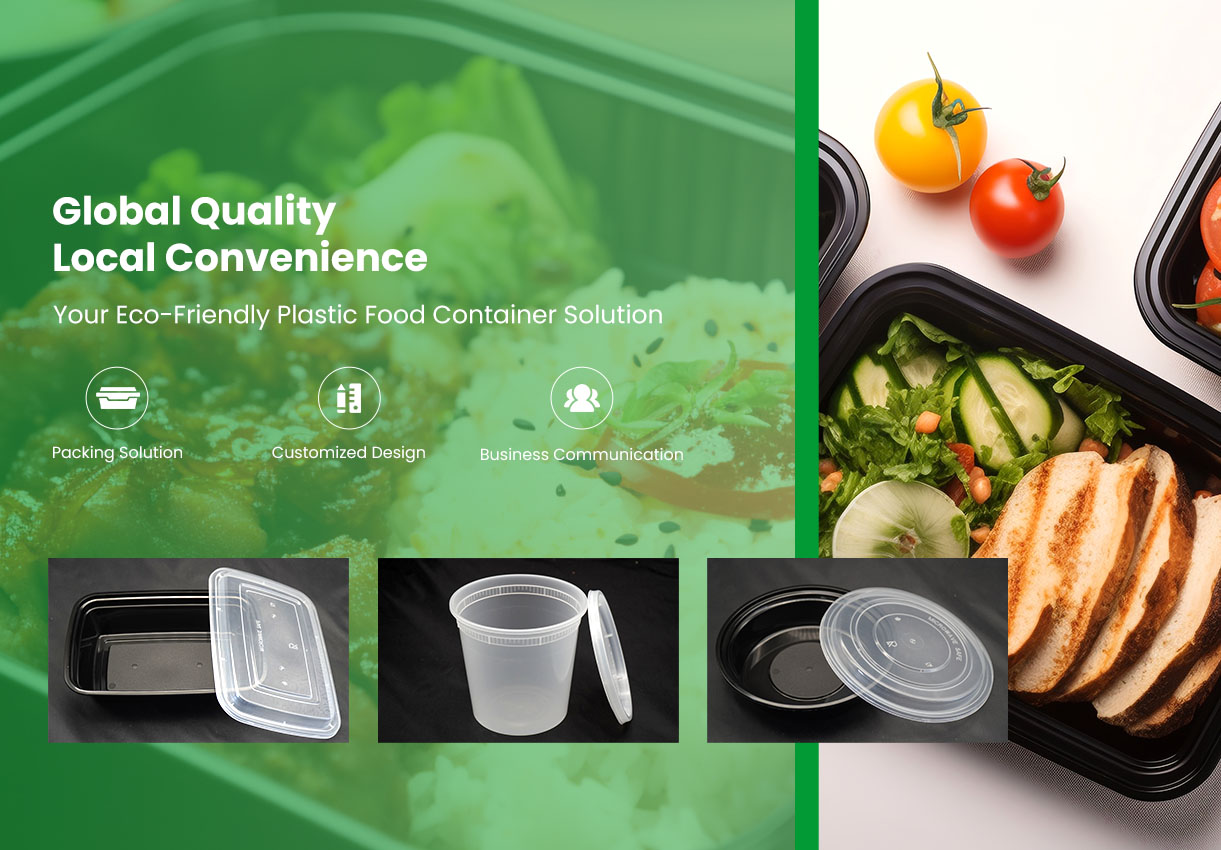
Biodegradable materials are gaining wider application across takeaway and delivery sectors. Products such as the Biodegradable Lunch Box are designed to break down under specific environmental conditions, reducing long-term waste accumulation.
These solutions are particularly important in regions where landfill pressure and plastic waste regulations are increasing. LVHUI develops biodegradable and semi-biodegradable containers that support food service operations while adapting to evolving compliance standards.
Sustainability alone is not enough if packaging fails during use. Food containers must still meet requirements for heat resistance, sealing, and durability.
Manufacturers are focusing on combining environmental materials with functional performance. For example, improved lid sealing designs and reinforced edges help biodegradable products perform similarly to traditional plastic containers.
In practical applications, biodegradable containers must withstand hot food, stacking pressure, and transport vibration without compromising usability.
Another key development is the use of digital tools to improve traceability. Packaging manufacturers are increasingly tracking raw material sources, production processes, and carbon impact.
Industry reports from McKinsey highlight that more than 60% of food packaging companies are investing in digital supply chain systems to enhance transparency and meet sustainability reporting requirements.
This trend supports buyers in verifying product origin, compliance, and environmental performance, making sourcing decisions more data-driven.
The rise of takeaway and delivery services has accelerated innovation in packaging. Containers must now balance leak prevention, insulation, and environmental responsibility.
Research from Euromonitor shows that global food delivery packaging demand has grown by over 8% annually in recent years. This growth pushes manufacturers to develop solutions that meet both convenience and sustainability expectations.
In response, LVHUI expands its product range to support takeaway applications with improved sealing, structural strength, and material options aligned with eco packaging trends for restaurants.
Beyond materials, packaging systems are evolving. Modular container designs, stackable shapes, and multi-compartment structures help optimize storage and transport efficiency.
These improvements reduce damage during shipping and minimize wasted space in cartons. Efficient structure design also contributes to better overall trends in food packaging sustainability, where both product and logistics are considered together.
Government policies play a major role in shaping packaging trends. Many regions are implementing restrictions on single-use plastics and encouraging recyclable or compostable alternatives.
Compliance is becoming a baseline requirement rather than a competitive advantage. Manufacturers must ensure that materials, labeling, and production processes align with international standards.
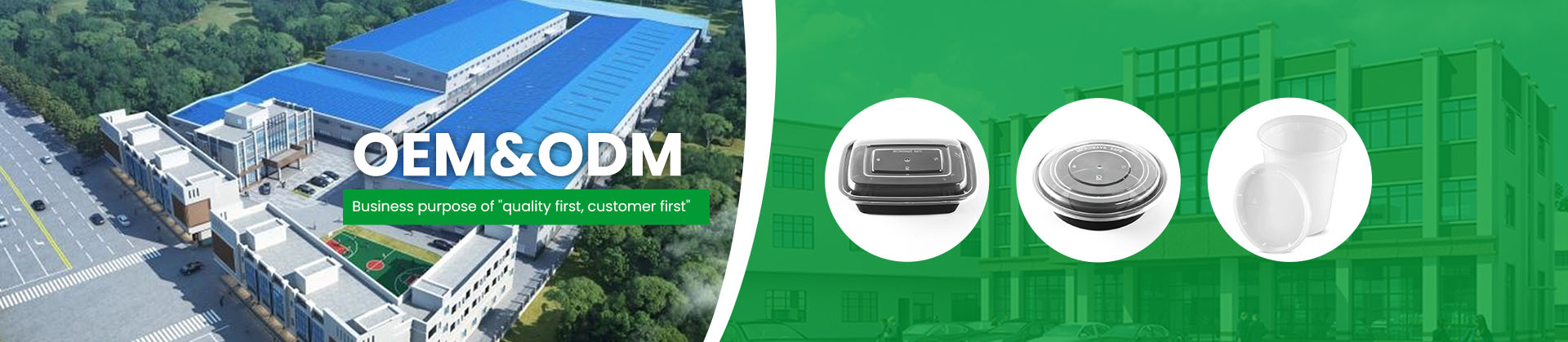
LVHUI integrates production control and material selection within its facility, supporting consistent output that can adapt to different regulatory environments.
Eco-friendly food packaging is evolving through material innovation, structural optimization, and supply chain transparency. The focus is shifting from simple replacement of materials to a more comprehensive approach that includes performance, logistics, and compliance.
Manufacturers that combine production capability with sustainable design thinking are better positioned to meet future market demands while maintaining reliable product performance in real-world food service applications.