Hot liquids are one of the most challenging food categories for delivery. Temperature, movement, and sealing performance all affect customer experience. Choosing the right packaging is not only about holding liquid. It determines whether the soup arrives intact, maintains heat, and looks presentable upon opening.
Manufacturers like LVHUI focus on designing reliable soup containers that balance durability, insulation, and sealing performance. The goal is to reduce leakage risk while keeping structure stable during transport.
Soup delivery involves heat retention, liquid pressure, and constant motion. Compared to dry food, soup requires packaging that can resist internal steam pressure and external compression at the same time.
Industry transport data shows that vibration during road delivery can cause up to 15% internal liquid movement shift inside poorly sealed containers. This increases the risk of lid displacement and leakage. Proper packaging design must account for these real transport conditions.
Material selection is the first step. Food-grade PP is widely used due to its heat resistance and structural stability. It can handle temperatures above 100°C while maintaining shape.
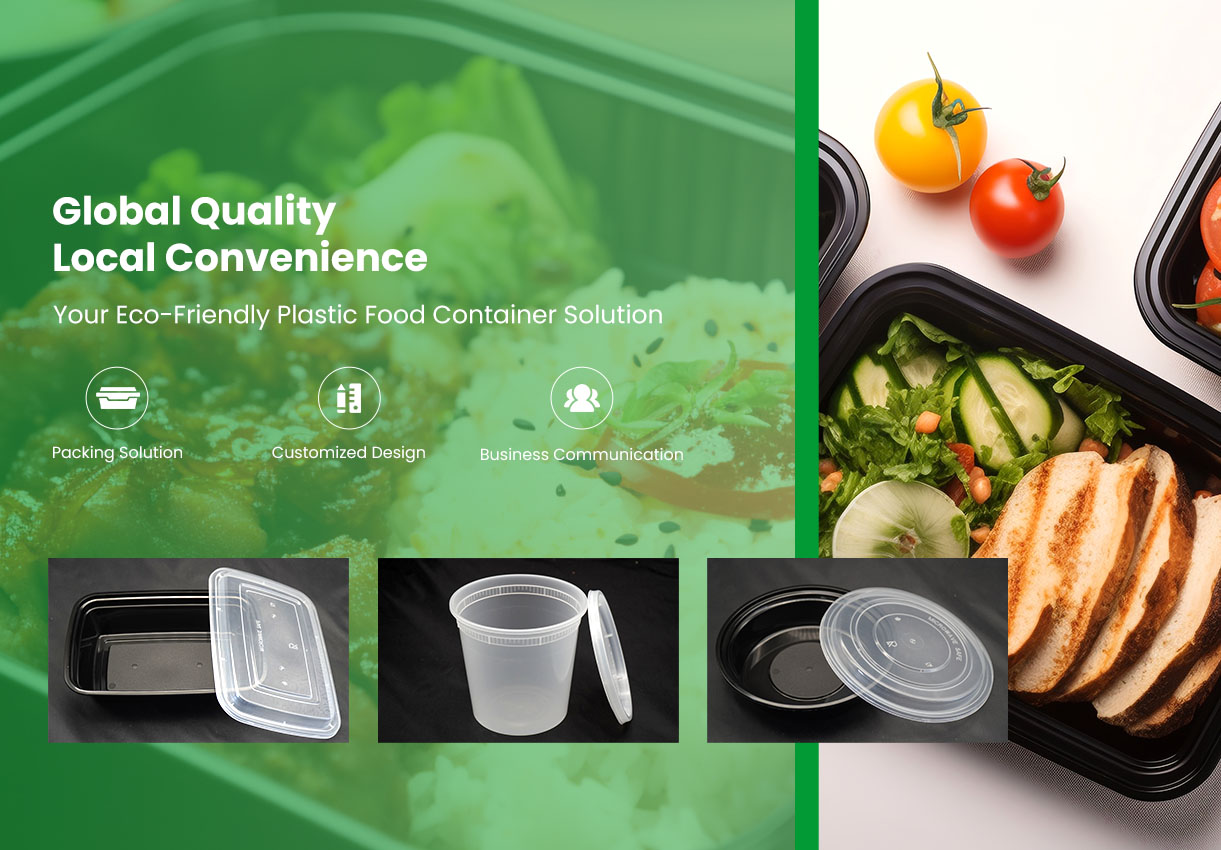
LVHUI produces disposable tableware using stable materials suitable for hot food applications. Their product range includes round containers and specialized soup cups designed for high-temperature takeaway scenarios. These materials help maintain container rigidity during both filling and transport.
A tight lid is essential for any leak proof packaging system. Snap-on lids with reinforced edges provide better sealing compared to flat covers. Inner sealing rings or groove-lock structures improve resistance against shaking and tilting.
For liquid food, lid matching tolerance must be precise. Even small gaps can lead to leakage under pressure. LVHUI designs lids and bases with consistent mold accuracy, helping ensure stable sealing across batches.
Round containers are generally preferred for soup delivery because pressure distributes evenly along curved walls. This reduces weak points compared to rectangular designs.
In practical packaging logistics, stackability also matters. Containers that align well reduce movement inside cartons, lowering the chance of deformation and leakage during handling. LVHUI offers multiple round container sizes to support efficient stacking and transport stability.
Soup packaging must balance heat retention and safe handling. Double-layer structures or thicker walls can slow down heat loss while preventing external surfaces from becoming too hot to hold.
Data from food service packaging studies shows that thicker PP containers can improve heat retention by 20% over standard thin-wall designs during a 30-minute delivery window. This helps maintain food quality upon arrival.
The container alone is not enough. The full system includes inner bagging, carton arrangement, and delivery handling. A well-designed takeaway containers solution ensures that each layer supports the next.
| Factor | Impact on Delivery | Recommended Approach |
|---|---|---|
| Lid structure | Prevent leakage | Use snap-fit lids with sealing grooves |
| Wall thickness | Maintain shape | Choose reinforced PP design |
| Carton packing | Reduce movement | Keep tight but not compressed arrangement |
| Transport method | Control vibration | Use stable stacking and palletizing |
| Temperature control | Preserve quality | Select heat-resistant materials |
Different delivery models require different solutions. Small takeaway shops may prioritize cost efficiency, while large-scale operations focus on consistency and branding. Selecting the best containers for soup delivery business depends on order volume, delivery distance, and menu type.
LVHUI supports a wide range of disposable packaging options, including soup cups and meal containers, helping businesses adapt packaging strategies to different market needs while maintaining consistent quality.
Food contact materials must meet safety standards. Certifications related to food-grade plastics and production systems are essential to ensure product reliability. Stable manufacturing processes help maintain consistent thickness, sealing performance, and hygiene standards.
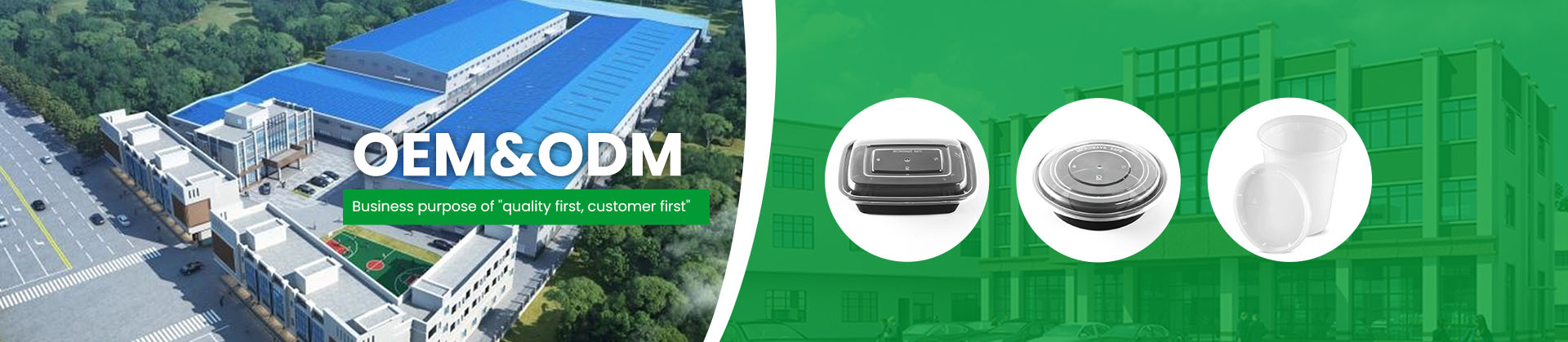
LVHUI integrates production and quality control within its facility, supporting stable output and reliable supply for global distribution.
Effective leak proof soup packaging solutions combine container design, lid sealing, and transport planning. Testing under real conditions such as shaking, tilting, and stacking pressure is necessary before large shipments.
The Disposable Soup Cup is a practical format widely used in delivery. When designed with reinforced rims and precision lids, it can provide both convenience and reliability for hot liquid transport.
Choosing packaging for soup delivery requires attention to material, sealing, structure, and transport conditions. Reliable performance comes from a combination of product design and logistics planning. A manufacturer with strong production capability and packaging experience can help ensure that soup reaches customers in perfect condition, maintaining both quality and brand reputation.