Preventing container deformation starts before loading. Disposable meal boxes are lightweight, but they are easily affected by stacking pressure, carton strength, pallet layout, temperature, and vibration during long-distance transport. For manufacturers, stable food container shipping is not only about moving goods from factory to warehouse. It is about protecting product shape, lid fit, appearance, and customer usability after arrival.
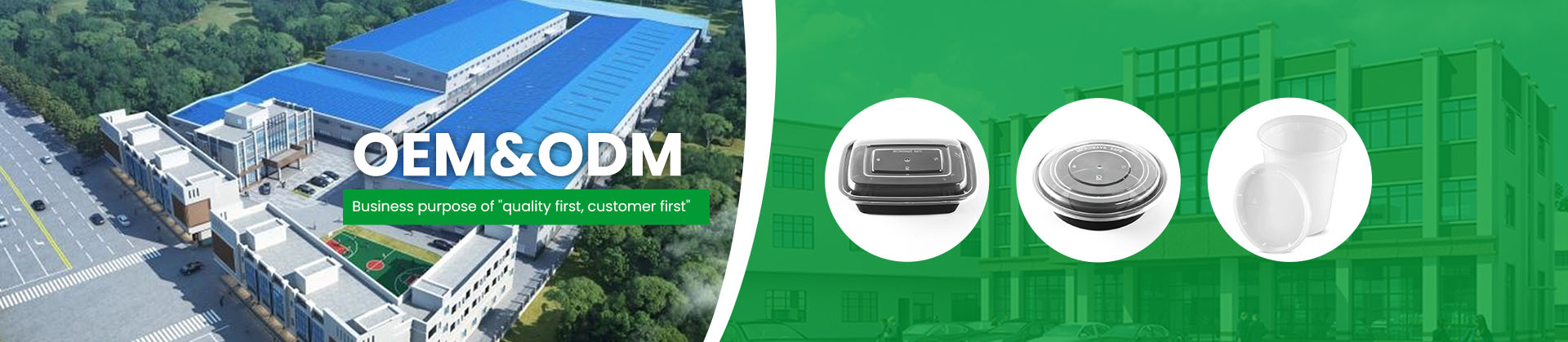
LVHUI produces disposable environmental tableware, including soup cups, rectangular containers, round containers, biodegradable lunch boxes, and semi-biodegradable meal boxes. Its factory in Taishan, Guangdong covers about 35,000 square meters, supporting scalable production and consistent supply for different packaging needs.
Food containers usually deform because pressure is not distributed evenly. When cartons are stacked too high, bottom cartons carry more compression. When products are packed too tightly, thin rims or lids may bend. When cartons are packed too loosely, inner products may move during road, sea, or warehouse handling.
The CTU Code for cargo transport units highlights that goods should be packed and secured to withstand normal transport forces, including road and sea movement. This is important for lightweight food packaging because the product itself may not be heavy, but carton compression and vibration can still damage shape accuracy.
A reliable shipping result begins with product design. Containers with stronger rims, balanced wall thickness, stable bottoms, and matching lids are less likely to warp under pressure. For rectangular takeaway boxes, corner strength is especially important because corners often receive concentrated force during stacking.
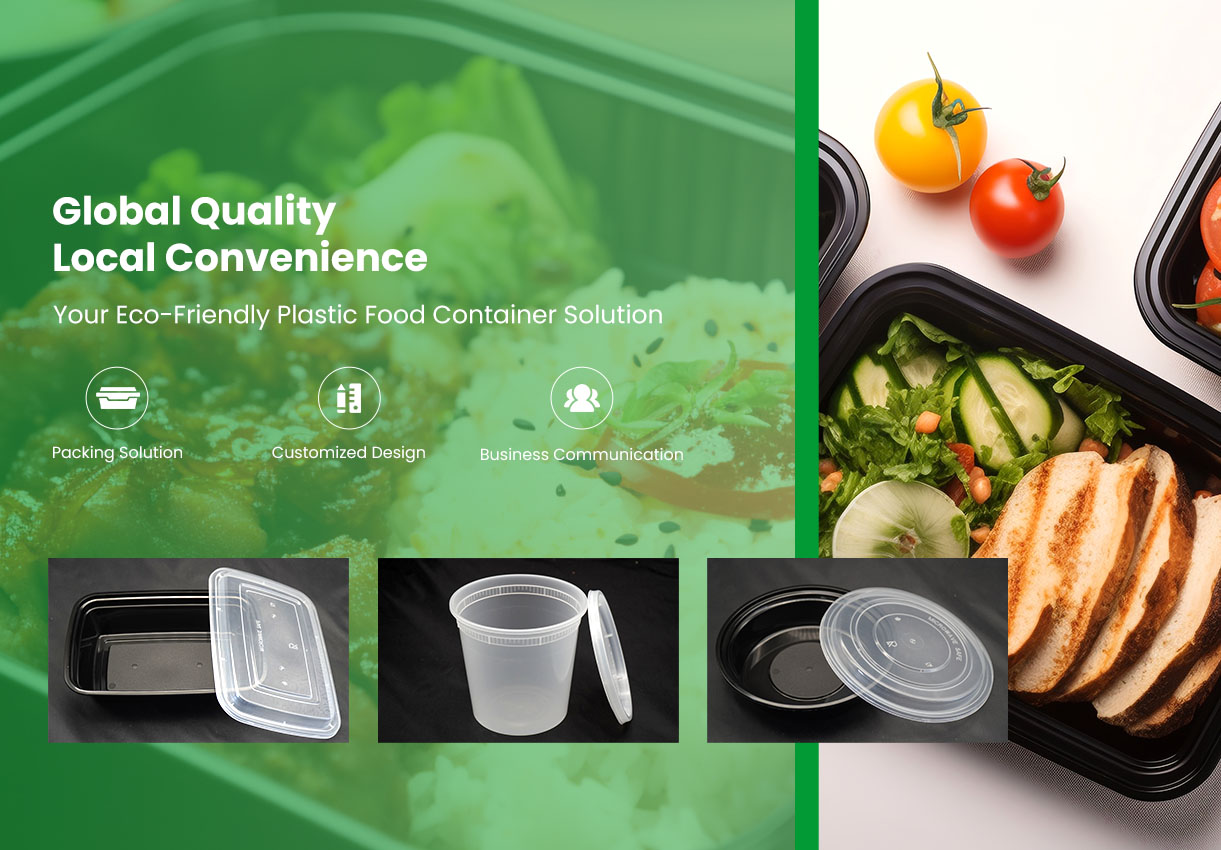
LVHUI offers rectangular and Round Disposable Plastic Containers, soup cups, Semi-Biodegradable Lunch Boxes, and meal boxes, allowing buyers to match product shape with food type, serving method, and transport route. Its 38oz rectangular plastic take-out container is designed with a leak-proof structure for takeaway and meal prep use, while round containers support common catering needs.
Carton packing should protect the product without squeezing it. Too many pieces in one carton may reduce shipping cost per unit, but it can increase deformation risk. Too few pieces may create empty space, causing movement and edge damage.
A practical method is to test different packing quantities before mass shipment. The carton should allow containers to stay aligned, while inner bags or separators keep rims from rubbing against each other. For lid products, lids and bases should be packed according to their shape, not simply combined to save space.
Strong outer cartons are essential for safe packaging logistics. General shipping and packaging instructions used in industry often require loading units to withstand double stacking without deformation, and carton stability may be improved with corner protection or structural reinforcement.
| Control Point | Risk When Ignored | Recommended Practice |
|---|---|---|
| Carton compression | Bottom cartons collapse | Use tested cartons for export stacking |
| Inner arrangement | Product rim bending | Keep bases and lids aligned |
| Pallet layout | Uneven pressure | Use flat layers and avoid overhang |
| Wrapping method | Carton shifting | Apply stable stretch wrapping |
| Loading plan | Heat and pressure damage | Avoid placing light cartons under heavy cargo |
Plastic containers can be affected by high temperature, especially during summer shipping, warehouse storage, or long sea freight. Hot environments may make thin sections more flexible, increasing the chance of shape change under stacking pressure.
During container transport, cartons should be loaded away from direct heat exposure when possible. Heavy goods should not be placed above disposable food packaging. For mixed cargo, food containers should be treated as light-volume goods that need compression protection rather than weight support.
Before large-volume shipment, sampling helps confirm whether the container design, carton size, loading quantity, and pallet method are suitable. Inspection should not only check appearance. It should also check lid matching, rim flatness, stacking recovery, carton condition, and random compression after packing.
LVHUI’s product range includes food-grade plastic containers and semi-biodegradable lunch box options for different market needs. For customized orders, stable sample confirmation before bulk production helps reduce later shipment disputes.
Good food packaging transport solutions should be discussed during product selection, not after production is finished. Buyers should confirm container size, carton quantity, shipment route, storage temperature, pallet requirement, and loading method before placing bulk orders.
LVHUI can support different disposable tableware categories from one production base, helping customers coordinate product selection, packing design, and shipment preparation more efficiently. This is especially useful when sourcing Disposable Plastic Containers with different capacities, shapes, and lid structures for food service, takeaway, and meal preparation supply chains.
Avoiding deformation during food container shipment depends on product structure, carton strength, packing density, pallet stability, and loading control. A low unit price loses value when containers arrive with bent rims, loose lids, or poor appearance. Working with a manufacturer that understands both production and shipment protection helps keep disposable food containers stable from factory packing to final warehouse delivery.