Lead time is one of the most critical factors when planning large-scale packaging procurement. Whether for takeaway, meal prep, or food distribution, understanding packaging lead time helps ensure stable supply, avoid stock shortages, and maintain smooth operations.
The total production time for food containers is not fixed. It depends on several key factors, including order quantity, product type, customization level, and factory capacity. According to industry data from Smithers, standard packaging manufacturing cycles typically range from 2 to 6 weeks depending on complexity and volume.
For a standard food-grade disposable container, lead time is usually shorter because molds and materials are already available. However, when customization is involved, additional steps such as design confirmation and sampling will extend the timeline.
A complete food packaging production timeline can be divided into several stages. Each stage plays a role in ensuring quality and consistency:
| Stage | Time Range | Key Activities |
|---|---|---|
| Design confirmation | 2–5 days | Finalizing size, structure, and printing details |
| Sample production | 5–10 days | Creating and testing prototypes |
| Material preparation | 3–7 days | Raw material sourcing and preparation |
| Mass production | 10–25 days | High-volume manufacturing process |
| Quality inspection | 2–3 days | Product testing and packaging checks |
| Packing and shipment | 3–10 days | Carton packing and export arrangement |
For standard products without customization, the lead time for disposable food containers can be as short as 10 to 20 days. For customized orders, it may extend to 30 to 45 days depending on requirements.
Different types of container manufacturing processes directly affect lead time. Simple injection-molded containers can be produced faster due to stable molds and automated lines. In contrast, products requiring special structures, multi-compartment designs, or printing processes will need longer preparation and production cycles.
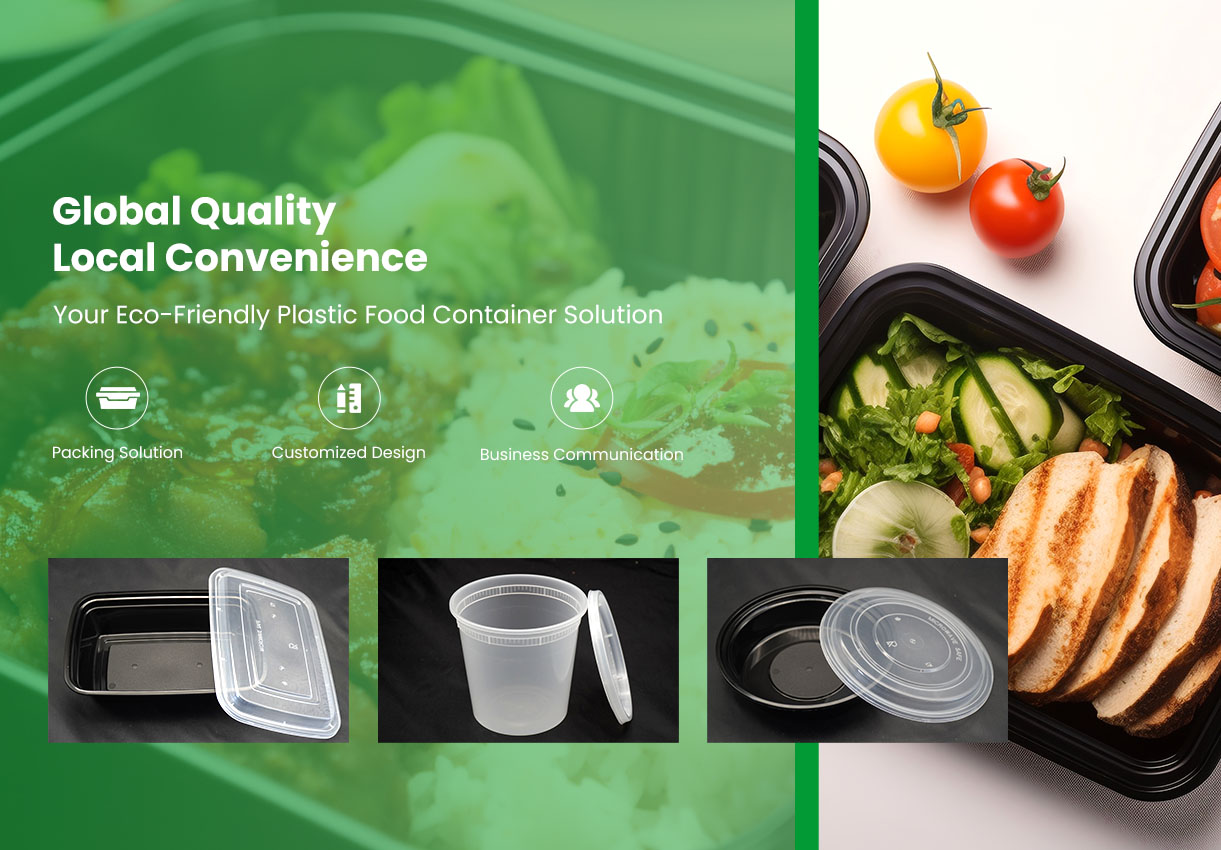
For example, round containers, rectangular boxes, and soup cups may share similar materials but differ in mold complexity and lid fitting requirements. These variations influence production scheduling and overall efficiency.
Customization is one of the biggest variables in packaging schedules. When buyers request logo printing, unique shapes, or specific material adjustments, the factory must allocate additional time for mold adjustment, color matching, and testing.
This is especially relevant in packaging manufacturing, where consistency across bulk orders is essential. Even small deviations in printing or structure can lead to large-scale quality issues. That is why reliable manufacturers prioritize sample approval before mass production begins.
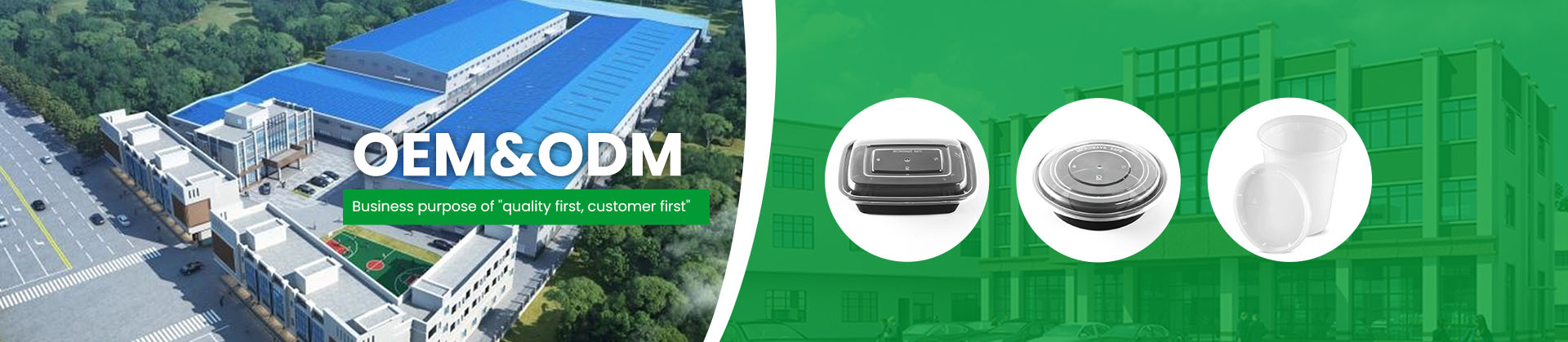
LVHUI operates a 35,000 square meter production facility with automated workshops and in-house development teams. This structure allows better control over production scheduling and reduces delays caused by outsourcing.
With a complete product range including round containers, rectangular containers, and soup cups, LVHUI can streamline production by using standardized molds alongside flexible customization capabilities. This helps balance speed and customization without sacrificing quality.
Stable raw material sourcing and continuous production lines also contribute to more predictable lead times, which is essential for businesses managing ongoing supply cycles.
To improve delivery efficiency, several practical strategies can be applied:
Confirm specifications early to avoid repeated revisions
Choose standard container designs when possible
Plan orders based on forecast demand rather than urgent needs
Work with manufacturers that have integrated production systems
Maintain consistent order volumes to secure production priority
These methods help reduce uncertainty and ensure that packaging supply aligns with business growth.
Food container lead time depends on a combination of product type, customization level, and manufacturing capability. Standard products can be delivered quickly, while customized solutions require more structured planning. Choosing a manufacturer with stable capacity and integrated production is key to maintaining consistent supply and meeting delivery expectations.