Spillage during delivery is one of the most common reasons for customer complaints in foodservice operations. A poorly sealed container can damage food presentation, affect hygiene perception, and increase refund costs. Selecting reliable leak proof containers is therefore not only about packaging quality, but also about protecting brand reputation and delivery efficiency.
In modern delivery environments, food travels longer distances and passes through multiple handling stages. According to packaging performance studies from the Flexible Packaging Association, liquid leakage is among the top three causes of product dissatisfaction in takeaway services. This makes leak resistance a core requirement in foodservice packaging, especially for meals with sauces, oils, or broths.
Effective sealing ensures that food maintains its original condition from kitchen to customer. It also reduces operational risks such as bag contamination, mixed flavors, and damaged outer packaging.
Not all food containers offer the same level of protection. High-performance leak resistant designs usually combine multiple structural elements rather than relying on a single feature.
Tight-fitting lid with precision sealing edge
Reinforced container rim to prevent deformation
Flexible but durable material to absorb pressure during transport
Snap-lock or press-fit closure system for secure sealing
Compatibility between lid and base to avoid misalignment
These elements work together to maintain sealing integrity even when containers are stacked or tilted during delivery.
Different menu items require different levels of leak protection. Selecting the right format is essential for achieving best leak resistant takeaway packaging performance.
| Food Type | Recommended Container | Reason |
|---|---|---|
| Soup, noodles, porridge | Deep round container with sealed lid | Better liquid containment and pressure balance |
| Saucy rice meals | Rectangular container with tight lid | Stable stacking and controlled portion space |
| Fried or dry food | Ventilated container | Prevents condensation while maintaining structure |
| Cold dishes and salads | Wide shallow container | Reduces movement and maintains presentation |
For liquid-heavy meals, choosing leak proof containers for soup delivery is especially important. These containers are designed with stronger lid locks and deeper structures to prevent overflow during movement.
Material choice plays a major role in leak resistance. Containers that are too rigid may crack under pressure, while overly soft materials may deform and break the seal. A balanced material structure ensures both durability and flexibility.
High-quality takeaway packaging often uses food-grade plastic with controlled thickness to maintain shape while allowing slight flexibility. This helps containers withstand stacking pressure and external impact during transport.
The lid is the most critical component in leak prevention. Even a well-designed base will fail if the lid does not fit precisely. Manufacturers usually test lid compatibility through repeated opening, closing, and pressure simulations to ensure consistent performance.
For example, a well-designed takeaway food packaging box system ensures that lids lock securely without requiring excessive force. This improves packing efficiency while reducing the risk of incomplete sealing during busy operations.
Leak resistance is not only about design, but also about production precision. Variations in mold accuracy, material thickness, or trimming can lead to inconsistent sealing performance across batches.
Reliable manufacturers implement strict quality control processes, including sealing tests, drop tests, and stacking simulations. This ensures that every container performs consistently in real delivery conditions.
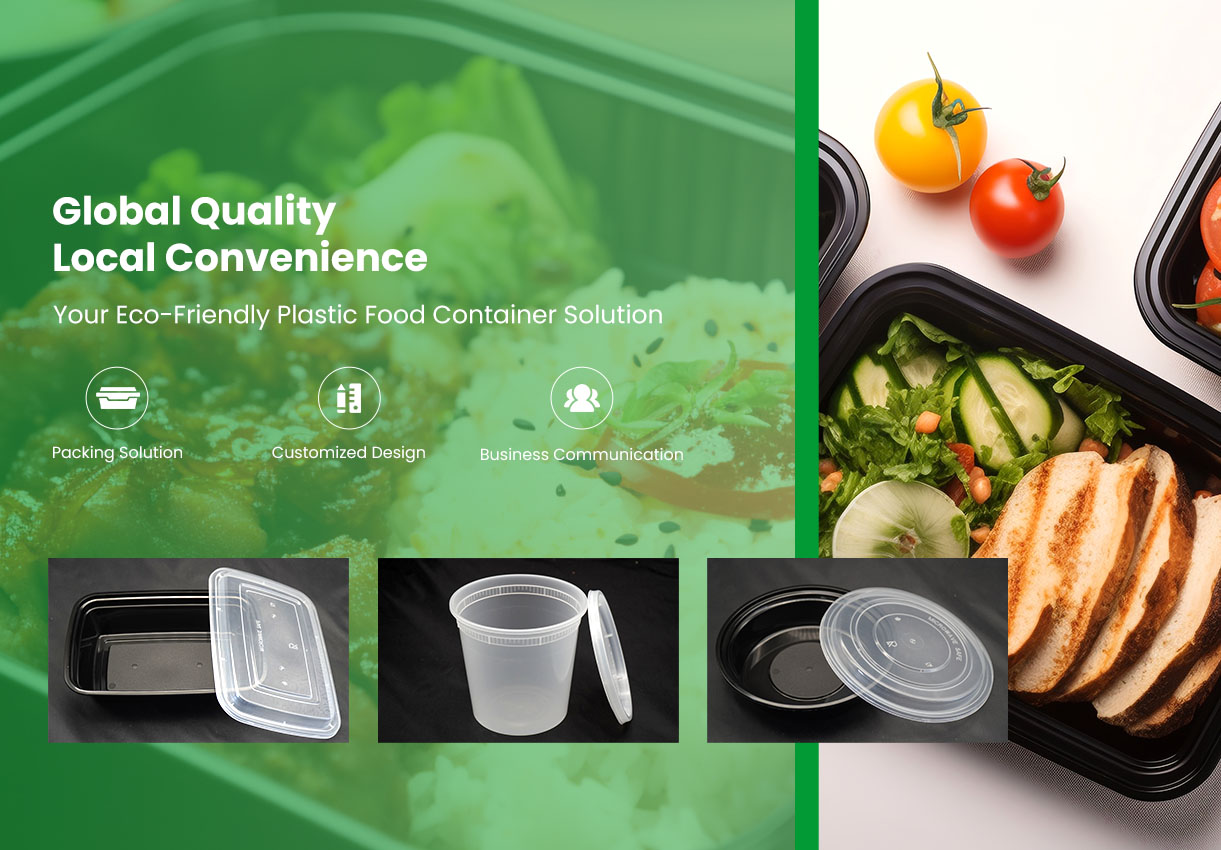
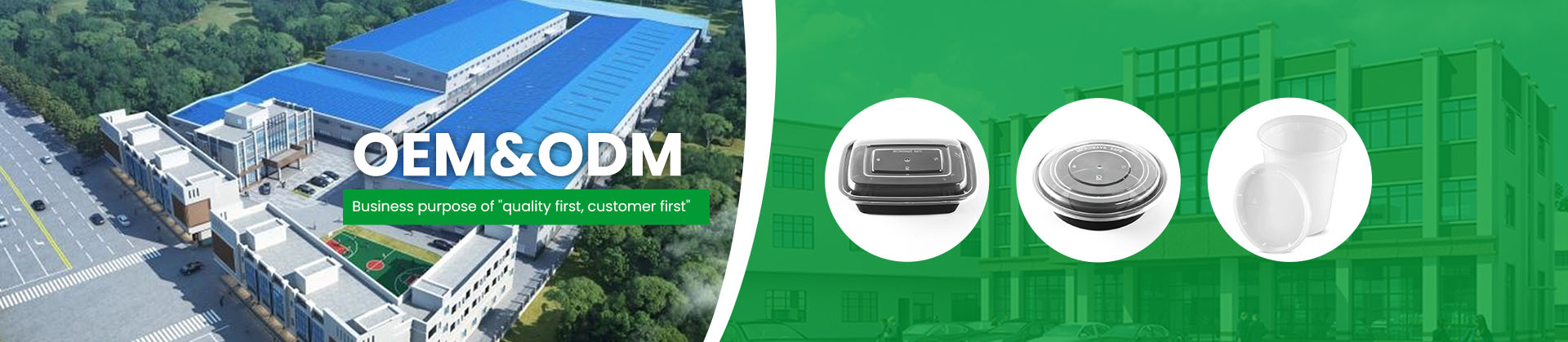
LVHUI supports this level of consistency through automated production lines and standardized manufacturing processes. With a wide range of container formats, including round containers, rectangular containers, and soup cups, the company provides practical solutions for different takeaway needs while maintaining stable product quality.
Selecting the right leak proof solution becomes easier when focusing on real usage conditions:
Test containers with actual menu items before bulk purchase
Check lid tightness after repeated opening and closing
Evaluate stacking performance under delivery conditions
Choose deeper containers for liquid-based dishes
Ensure supplier consistency across large orders
These steps help reduce risk and improve overall packaging performance.
Leak proof performance is a combination of structure, material, and manufacturing precision. The right container protects food quality, supports delivery efficiency, and enhances customer experience. By selecting containers designed for real takeaway conditions, businesses can minimize leakage risks and maintain a reliable packaging system.