Brand visibility in food service now extends beyond logos on storefronts. Packaging has become a direct communication tool between a business and its customers. This is why custom food containers are increasingly used to strengthen identity, improve recognition, and create a more professional delivery experience.
In a highly competitive takeaway and meal prep market, packaging is often the first physical touchpoint customers interact with. According to global packaging industry data from Smithers, over 60 percent of consumers say packaging design influences their perception of product quality. This makes packaging customization a strategic decision rather than a simple aesthetic upgrade.
Customized containers can help standardize brand presentation across different sales channels. Whether food is served in-store, delivered, or sold through third-party platforms, consistent packaging ensures that branding remains clear and recognizable. It also supports menu positioning, especially for premium or health-focused offerings.
Food packaging customization is not limited to printing a logo. It involves multiple technical and visual elements that work together. The most common areas include:
Logo printing and color matching for brand identity
Container shape and size selection based on menu structure
Lid design for sealing performance and delivery safety
Surface finish to improve visual appeal and touch experience
Material selection aligned with sustainability positioning
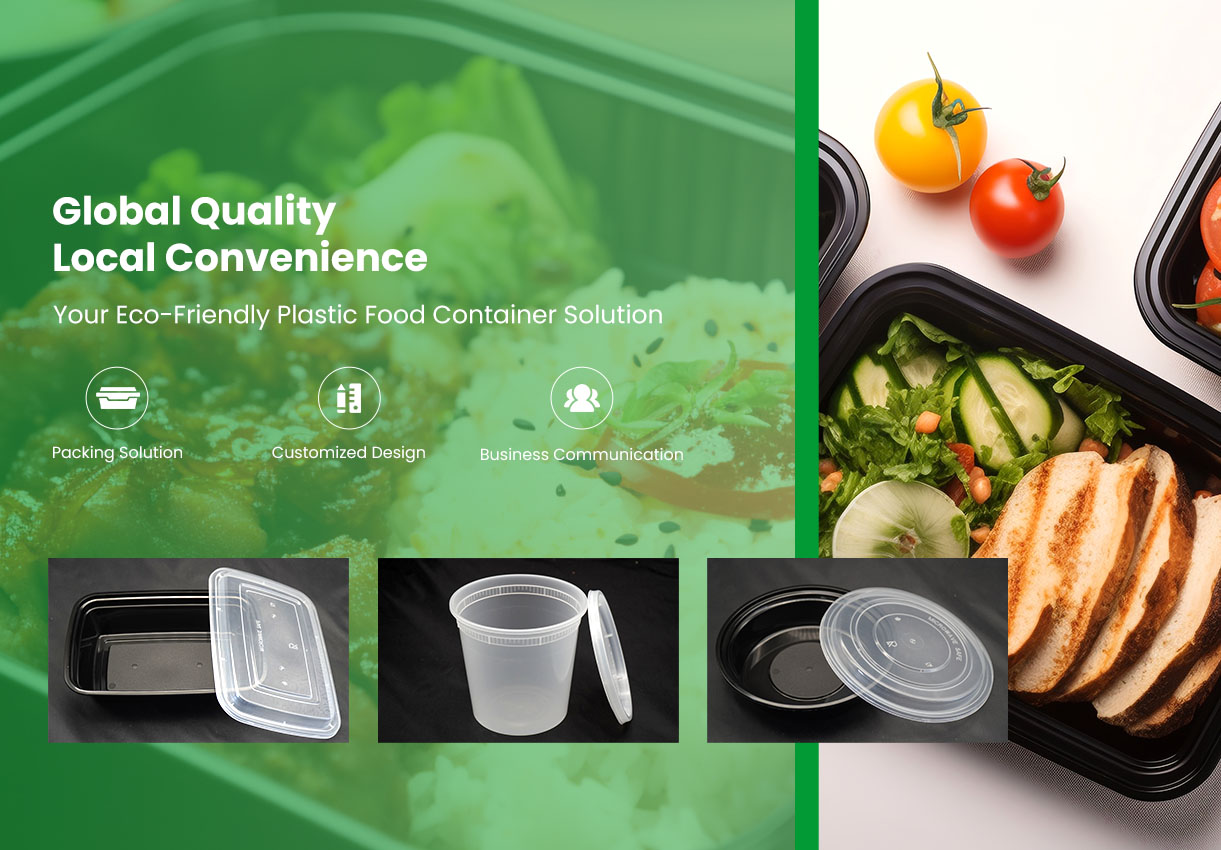
For example, disposable round plastic containers are widely used for salads, sauces, and ready meals. These containers can be customized with clear or frosted finishes, branded printing, and specific lid structures to enhance both appearance and functionality.
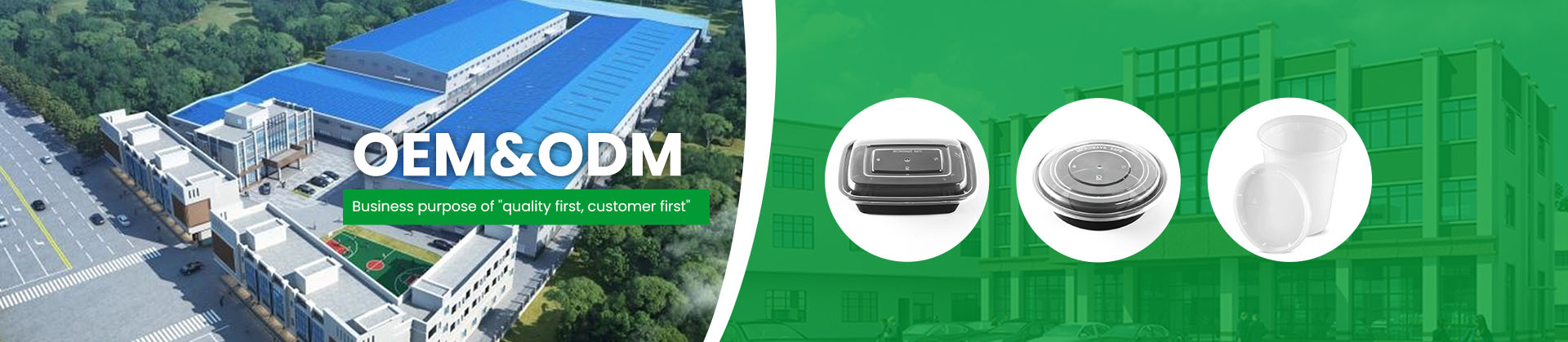
Customization at scale requires manufacturing capability and process control. This is where OEM packaging plays an important role. Instead of adapting existing stock products, manufacturers can adjust molds, materials, and printing processes to meet specific project requirements.
An experienced OEM food packaging supplier typically supports the full workflow, including design confirmation, sample development, production planning, and bulk manufacturing. This integrated approach helps ensure that customized packaging maintains consistency across large orders, which is critical for businesses operating in multiple locations.
LVHUI provides this type of integrated production support, with its own workshops, automated lines, and product development teams. This structure allows the company to handle customization requests efficiently while maintaining stable quality output.
Using branded packaging creates more than visual consistency. It directly affects customer perception and repeat purchase behavior. When food arrives in clearly branded containers, it reinforces trust and professionalism. It also increases the chance of organic exposure when customers share their meals on social platforms.
In delivery scenarios, packaging durability and presentation are equally important. Custom takeaway packaging needs to maintain structure during transport while preserving food appearance. This is especially relevant for businesses offering diverse menus, where different container types must still align with a unified brand image.
The use of custom takeaway containers with logo ensures that every order acts as a brand extension. Even simple elements such as color consistency and clean printing can significantly improve how a business is perceived in a crowded market.
Beyond branding, customization can also improve operational workflows. Standardized container sizes and stacking designs help optimize storage, reduce packing time, and minimize handling errors. This is particularly valuable in high-volume meal prep environments.
A well-designed packaging system allows staff to quickly identify container types, match them with menu items, and maintain consistent portioning. Over time, this leads to better efficiency and reduced waste, which directly impacts overall operating cost.
LVHUI focuses on disposable environmental protection tableware and offers a wide range of container formats, including round containers, rectangular boxes, soup cups, and biodegradable options. With a factory area of approximately 35,000 square meters and automated production lines, the company supports large-scale customization projects with stable output.
Its internal development team works on adapting product structures, printing methods, and material options to meet different branding requirements. This makes it possible to align packaging design with both functional needs and brand positioning.
Customized food containers are no longer optional for businesses aiming to build a strong market presence. They combine branding, functionality, and operational efficiency into a single solution. Choosing the right supplier and customization strategy ensures that packaging not only protects food but also strengthens brand value across every customer interaction.