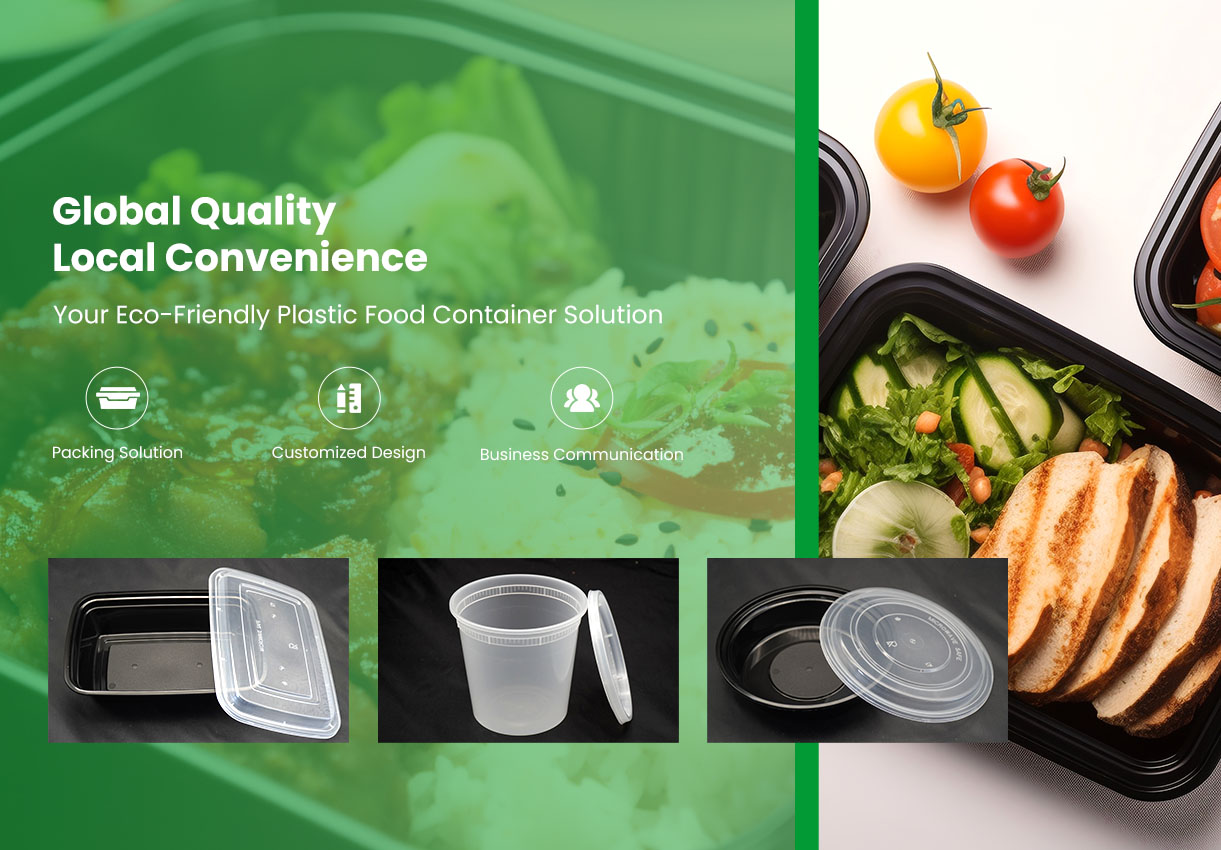
Choosing the right meal prep containers is not only about holding food. It affects portion control, delivery stability, shelf presentation, sealing performance, customer satisfaction, and long term supply efficiency. For a growing meal business, the best packaging is the one that protects food quality, works smoothly in daily operations, and matches changing market expectations around safety and sustainability. Food packaging also sits under food contact rules, which means material choice and compliance should never be treated as a minor detail.
For this reason, the best containers for a meal prep operation are usually lightweight rectangular formats with secure lids, stackable structure, practical volume options, and material systems suited to both hot and cold food. In the current market, plastic remains widely used because it offers low weight, efficient transport, and strong cost control at scale. Industry tracking also shows rectangular shapes remain the dominant format in the meal prep container market, which reflects how well they fit portioned meals, storage racks, transport crates, and retail display.
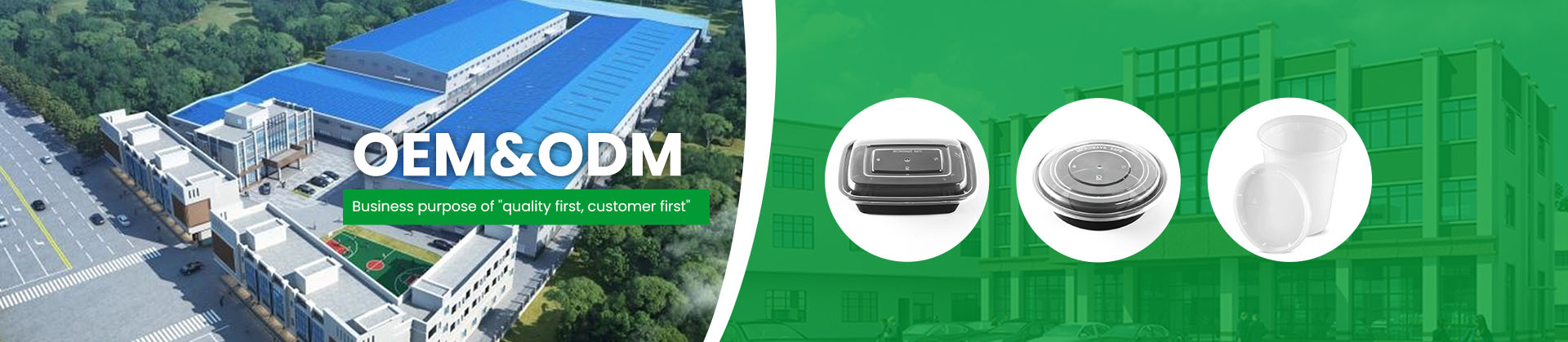
LVHUI is well positioned in this field. According to its website, the company operates a factory of about 35,000 square meters in Taishan City, Guangdong, and focuses on disposable environmental protection tableware, including Disposable Plastic Containers, soup cups, and semi biodegradable lunch boxes. Its product pages also highlight practical features such as light weight, strength, easy stacking, and tight fitting lids that help reduce spills during transport.
A meal business normally needs packaging to do five jobs at the same time. It must hold the food safely, preserve appearance, support fast filling, remain stable in transport, and keep purchasing predictable. When one of these points fails, the result is often leakage, crushed lids, poor stacking, or a damaged customer experience.
The best food containers for this kind of operation usually have these features:
A rectangular footprint for efficient shelf and carton use
A tight lid structure to reduce leaks and movement
Sufficient wall strength for stacking and transport
A clean appearance that supports food presentation
Size options that match portion control and menu variation
Material compliance for food contact applications
Rectangular designs are especially important because they support back kitchen organization and delivery efficiency better than irregular shapes. They also make it easier to standardize portions across different meals. This matters for central kitchens, takeaway counters, and delivery programs where repetition and consistency drive profit.
There is no single material that fits every menu. The right choice depends on whether the food is hot, cold, oily, sauce heavy, frozen, or prepared for short holding time. The U.S. FDA explains that food packaging and its components are food contact substances, which means material suitability and the status of each component must be evaluated carefully.
Here is a practical comparison:
| Container type | Best use | Main advantage | Key point to check |
|---|---|---|---|
| Lightweight plastic container | Daily meal sets, salads, rice meals | Cost efficient and easy to stack | Lid fit and sealing consistency |
| Soup cup with lid | Soup, noodles, porridge | Better liquid control | Heat resistance and leak protection |
| Compartment lunch box | Mixed meals with separate items | Keeps foods separated | Hinge and lid closing stability |
| Semi biodegradable lunch box | Eco focused takeaway lines | Better sustainability positioning | Supply consistency and use conditions |
For many operations, plastic remains the most practical answer for takeaway packaging because it balances production efficiency, unit cost, shipping performance, and storage convenience. At the same time, sustainability pressure is becoming stronger across many markets. The European Commission reports that packaging accounts for 40 percent of plastics used in the EU, while Eurostat states that the EU generated 79.7 million tonnes of packaging waste in 2023, equal to 177.8 kilograms per person. These figures show why buyers now pay more attention to material strategy, waste reduction, and alternative formats.
Many buyers start with price, but experienced sourcing teams know that leakage and deformation often create the real cost. One weak lid can damage multiple meals in delivery, create refunds, and affect brand trust. A slightly stronger container often lowers total operating loss.
This is why the best containers for meal prep business are usually not the cheapest item in a catalog. They are the ones that maintain stable performance through packing, stacking, transport, and handoff. LVHUI emphasizes tight fitting lids, light but strong construction, and stackable design in its disposable plastic container line, which directly matches these operational needs.
For soup and hot meal programs, secure sealing becomes even more important. LVHUI also offers multiple Disposable Soup Cup capacities and fast food container options, including compartment styles that help keep different foods separated. That makes the range more flexible for meal businesses with varied menu structures.
Size selection should start from the menu, not from the packaging list. A meal prep operation usually needs to map containers against food type, portion weight, liquid level, and transport distance.
A simple buying logic is:
Single protein and carb meals need a stable base and moderate depth
Salads need volume without crushing light ingredients
Sauce based meals need stronger sealing confidence
Soup and porridge need round cups with secure lids
Combo meals benefit from compartment formats
This is where a broader supplier range becomes valuable. LVHUI offers disposable soup cups, Round Disposable Plastic Containers, Rectangular Disposable Plastic Containers, and semi biodegradable lunch boxes, allowing a buyer to reduce sourcing fragmentation across different menu lines.
When working with bulk containers for meal prep suppliers, packaging evaluation should be done in a structured way. Buyers should look beyond sample appearance and focus on repeatability.
Key evaluation points include:
Lid closure consistency across production batches
Stacking stability in warehouse and transport
Surface strength under filled load
Compatibility with hot and cold menu items
Supply capacity for repeat orders
Factory specialization and product focus
Packaging options across multiple meal categories
LVHUI presents itself as a manufacturer focused on disposable environmental protection tableware and has developed a broad portfolio for domestic and overseas markets since 2019. That manufacturing focus is important because reliable food packaging solutions depend on production discipline, not only on catalog variety.
For most meal prep operators, the strongest strategy is not to rely on one single pack for every dish. A better system uses a core range:
Rectangular meal prep containers for standard meal sets
Round food containers for sauces, sides, and specialty items
Soup cups for liquid meals
Selected disposable takeaway box formats for combo menus
Semi biodegradable options for markets with stronger environmental expectations
This approach improves efficiency while leaving room for menu expansion. It also helps operations control inventory more clearly and maintain packaging consistency across sales channels.
The best containers are the ones that protect food, support fast packing, reduce leakage risk, and stay dependable in repeat supply. Shape, sealing, strength, and material compliance should all be reviewed before price becomes the deciding factor. For meal businesses looking for scalable takeaway packaging, LVHUI offers a focused product range that aligns well with daily operational needs, from soup cups to rectangular boxes and semi biodegradable lunch box options. In a market where packaging performance directly affects customer retention and order profitability, choosing the right container is a business decision, not just a purchasing task.