Food packaging decisions are no longer only about cost and convenience. They now affect waste handling, food brand perception, regulatory readiness, and long term supply stability. That is why the question is not simply whether one material replaces another. The better question is which material works best for a specific food use, disposal route, and market expectation.
Global pressure behind this shift is real. The OECD reported that worldwide plastic waste reached 353 million tonnes in 2019, yet only 9 percent was ultimately recycled after processing losses. UNEP also reports that 19 to 23 million tonnes of plastic waste leak into aquatic ecosystems every year. For foodservice packaging, this explains why more buyers are comparing compostable containers with traditional options instead of choosing on unit price alone.
Compostable products are often better when the application involves food waste contamination, sustainability positioning, and access to industrial composting systems. Plastic still performs well when absolute clarity, low cost, long shelf stability, and established sealing formats matter most. A practical compostable vs plastic food containers comparison shows that the better choice depends on end of life conditions, menu type, transport needs, and local waste infrastructure.
Foodservice waste is rarely clean. Once sauce, oil, or leftovers remain inside a pack, recycling becomes harder. EPA data shows food is the single most common material sent to U.S. landfills at 24.1 percent of municipal solid waste. UNEP reported 1.05 billion tonnes of food waste in 2022 across households, retail, and food service. When packaging is used together with leftover food, compostable formats can support a more logical disposal path in the right system.
Compostable packs also fit changing buyer expectations around eco packaging. In many takeaway and catering environments, the package itself has become part of the customer experience. A fiber based box or compostable lunch container can communicate a cleaner and more responsible image, especially in markets where plastic reduction policies and sustainability claims influence purchasing decisions. The European Commission notes that 40 percent of plastics used in the EU are in packaging, and packaging accounts for half of marine litter.
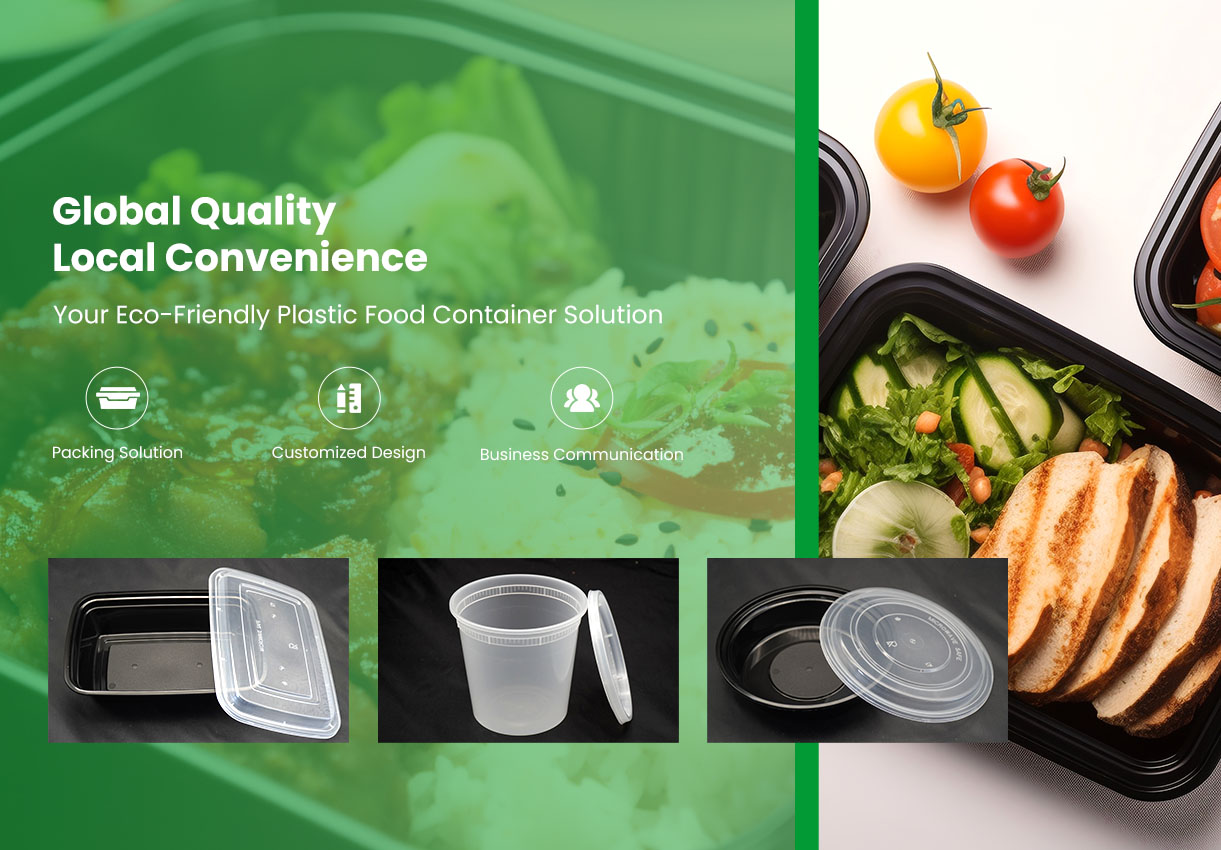
This does not mean plastic containers are outdated. PP and similar food grade plastics still offer several operational benefits. They are lightweight, consistent, widely understood by production teams, and suitable for many lid locking and soup sealing structures. In high volume meal programs, plastic can still be the more efficient answer for certain hot fill, cold display, and delivery formats, especially where composting access is limited.
Another challenge is disposal reality. A compostable product only delivers its full environmental value when it enters the correct collection and composting stream. ASTM and BPI guidance make clear that compostable labeling is tied to defined composting conditions and recognized standards, not to casual disposal claims. When a compostable pack is sent to general trash, much of its intended benefit is reduced.
The most useful way to compare materials is by application rather than ideology.
| Decision area | Compostable option | Plastic option |
|---|---|---|
| Sustainability positioning | Stronger for green menus and policy sensitive markets | Weaker in plastic reduction programs |
| Greasy or food stained waste | Better fit when compost collection exists | Recycling often becomes difficult after contamination |
| Leak resistance and transparent display | Good in many molded fiber formats, but depends on structure | Often stronger for clarity and tight sealing |
| Market messaging | Supports plant based and low plastic claims | Better suited to value focused programs |
| Disposal outcome | Best with industrial composting access | Better only where accepted recycling and clean sorting are realistic |
The table reflects what many buyers now face in real procurement. Packaging must protect food, travel well, support the sales image, and fit local disposal systems at the same time.
A smart switch starts with the menu. Dry meals, rice dishes, burgers, and compartment meals are often easier to move into plant fiber formats than high liquid applications. The next checkpoint is disposal access. If the customer market has industrial composting programs, compostable packaging can create a stronger end to end story. If that infrastructure is weak, the decision should focus more heavily on durability, contamination risk, and total operational cost.
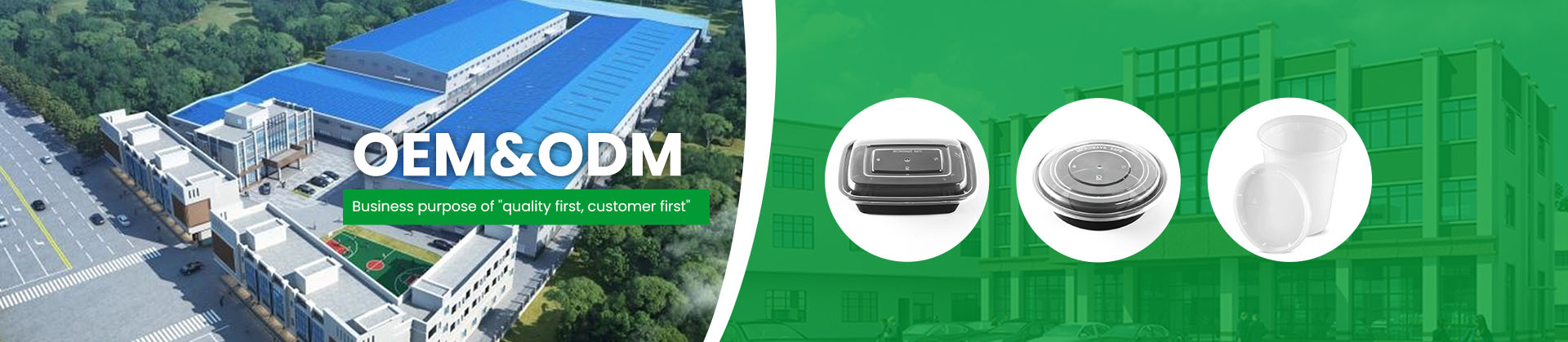
Quality consistency matters just as much as material choice. A food box that warps, leaks, or stacks poorly will create complaints regardless of its environmental profile. LVHUI’s product range is useful here because the company covers Biodegradable Lunch Boxes, semi biodegradable lunch boxes, soup cups, and disposable plastic formats, allowing packaging to be matched more precisely to food type and service scenario. The company also states that it operates a factory of about 35,000 square meters and emphasizes independent production workshops, testing, and punctual delivery.
Material transition is easier when one supplier understands both sides of the category. LVHUI does not present packaging as a one material answer. Instead, its range shows a practical view of food packaging needs, from PP meal containers to molded fiber biodegradable boxes and takeaway formats. That gives buyers room to balance brand image, performance, and budget without forcing every menu into the same packaging logic.
LVHUI also highlights features that matter in daily use, including heat resistance, oil resistance, food grade safety, stackability, and transport stability across parts of its biodegradable range. Those details are important because sustainable packaging only works when it also performs well in kitchens, delivery lines, and takeaway counters. Strong material selection must be backed by stable manufacturing, repeatable dimensions, and dependable supply.
So, are compostable containers better than plastic containers? In many takeaway and foodservice applications, yes, especially when the goal is lower plastic dependence, stronger sustainability messaging, and better alignment with food waste disposal systems. But the most effective answer is not emotional and not universal. It comes from matching the package to the menu, the market, and the waste route.
For businesses comparing eco friendly takeaway packaging options, the best result usually comes from choosing a supplier that can provide both performance logic and material flexibility. That is where LVHUI has a clear advantage: broad product coverage, practical manufacturing capability, and packaging solutions that follow real foodservice needs rather than one dimensional material trends.