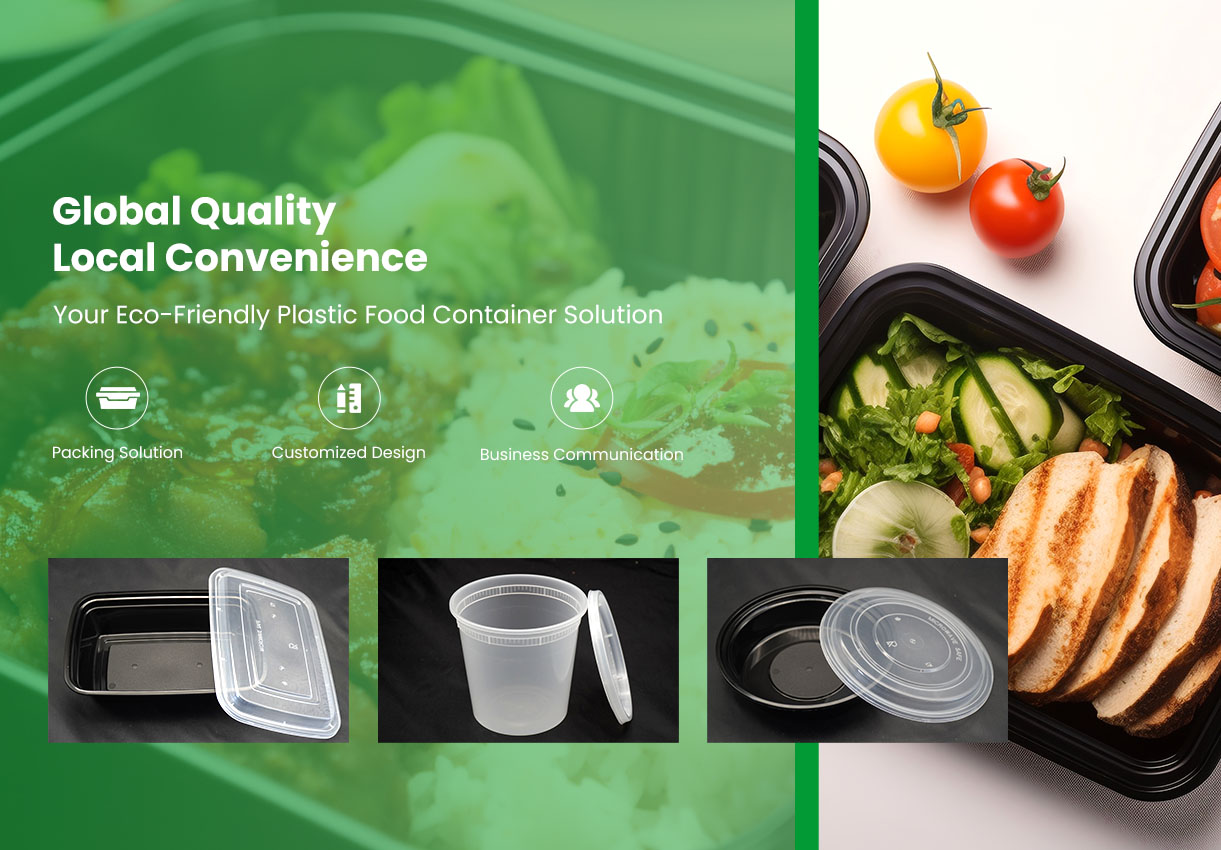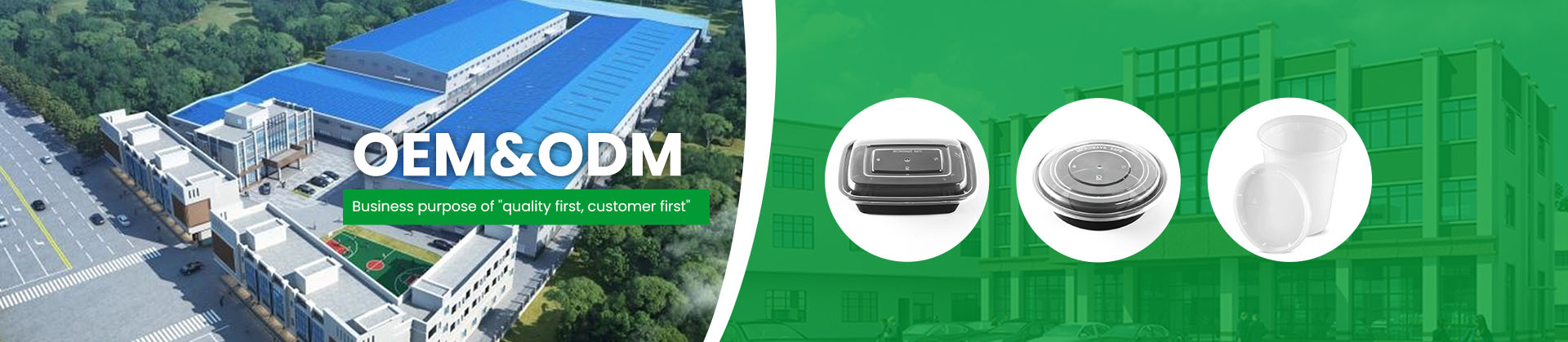
Hot meals require packaging that can maintain food quality from preparation to consumption. Temperature resistance, structural stability, sealing performance, and convenience are all important factors when selecting suitable containers. PP lunch boxes have become a common option for prepared meals because polypropylene materials provide reliable performance for many hot food applications.
The material characteristics of polypropylene allow these containers to handle higher temperatures compared with many standard packaging options. They are widely used for rice dishes, noodles, vegetables, meat products, and other ready-to-eat meals that need secure transportation.
Polypropylene is a food-grade plastic material known for its durability and heat resistance. During the manufacturing process, the material can be formed into containers with stable walls and smooth surfaces, helping maintain both appearance and functionality.
For hot meal applications, containers need to resist deformation after filling. A weak structure may become soft when exposed to heat, making stacking and transportation more difficult. Quality control during production ensures that the container thickness and design support daily food service requirements.
| Property | Benefit For Hot Meals |
|---|---|
| Heat resistance | Helps maintain shape when filled with warm food |
| Lightweight structure | Reduces transportation weight |
| Smooth surface | Makes cleaning and food removal easier |
| Secure lid matching | Helps reduce leakage during delivery |
| Stackable design | Improves storage efficiency |
The performance of a container depends not only on the material but also on the overall design. Wall thickness, corner structure, and lid connection all influence how well the packaging performs after filling.
The application range of PP packaging is broad because it can support different meal types. Many prepared foods require containers that can handle heat while keeping ingredients separated and presentable.
Rice meals are one of the most common uses. Foods such as fried rice, curry rice, and mixed rice dishes require enough strength to hold heavier contents. Noodle dishes also benefit from pp containers because the material can maintain stability when exposed to hot sauces or soups.
Other suitable applications include steamed vegetables, meat portions, pasta dishes, and combination meals. For food operators preparing different menu options, a range of sizes helps match packaging capacity with serving requirements.
Choosing the right container requires attention to several production details. A container designed for cold food may not provide the same performance when used with hot meals.
Manufacturers usually evaluate material quality, thickness consistency, sealing design, and production accuracy before supplying large quantities. These factors influence whether the final packaging can maintain reliable performance throughout filling, storage, and delivery.
A professional PP box manufacturer often develops different sizes and structures to meet various food applications. This flexibility allows packaging systems to support restaurants, catering services, and prepared food operations.
Different meals create different packaging demands. Understanding these differences helps determine whether PP containers are suitable for specific uses.
| Food Application | Main Packaging Requirement |
|---|---|
| Rice dishes | Strong base support for heavier food |
| Soup-based meals | Reliable sealing and liquid resistance |
| Fried foods | Good ventilation and moisture control |
| Frozen meals | Stable performance during storage |
| Combination meals | Compartments for food separation |
For hot food delivery, packaging also needs to consider handling conditions. Containers may experience movement during transportation, so structural strength and lid fitting become essential.
Packaging affects more than food protection. It also influences preparation speed, storage management, and customer experience. Containers that are easy to stack, fill, and transport help improve daily workflow.
PP materials provide a balance between strength and practicality, making them suitable for many hot meal applications. With proper design and manufacturing control, these containers can maintain food quality while supporting efficient packaging operations.