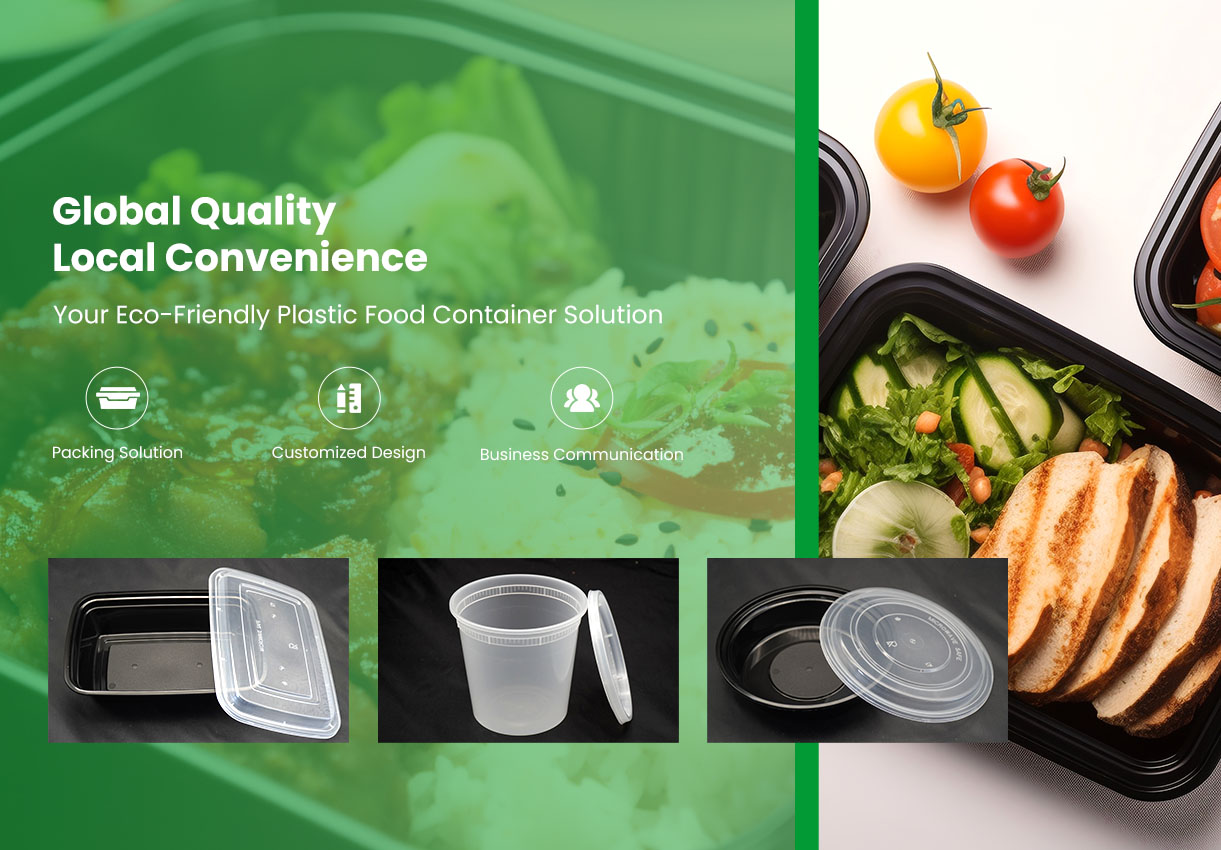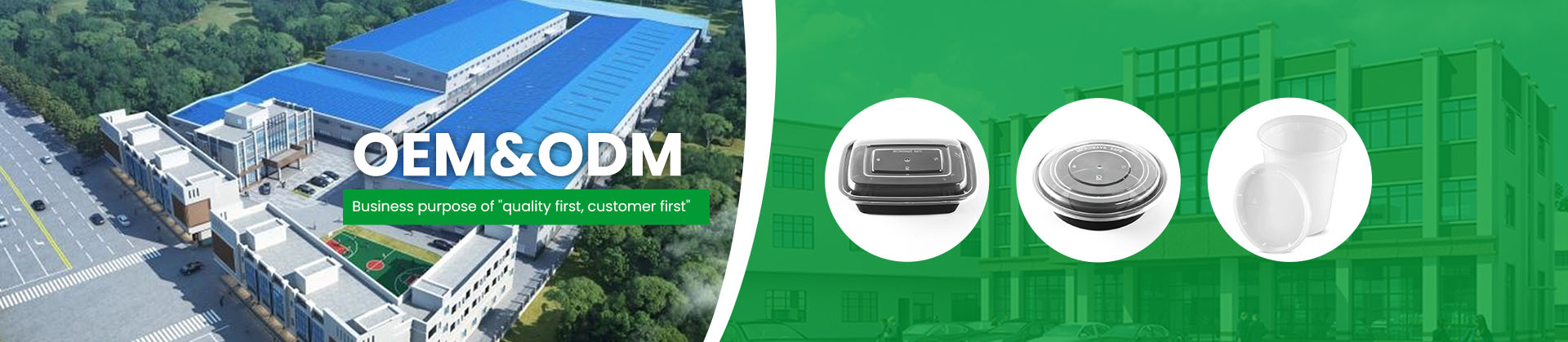
Soup packaging requires more than simply selecting a container that can hold liquid. The correct capacity affects portion control, transportation efficiency, storage costs, and customer experience. A suitable size ensures that soup maintains the expected serving quantity while reducing unnecessary packaging waste.
Different food businesses have different requirements for soup portions. Cafes may need smaller servings for side dishes, while restaurants and meal preparation companies may require larger containers for complete meals. Understanding capacity differences is an important part of selecting soup packaging containers.
Container capacity directly determines how much soup can be packed, served, and transported. Choosing an unsuitable size may create problems such as insufficient portions, excessive empty space, or increased packaging costs.
A proper container capacity guide should consider food type, serving style, and transportation requirements rather than focusing only on volume.
| Container Size | Approximate Volume | Suitable Application |
|---|---|---|
| 8oz | Around 240ml | Small soup portions, sauces, side servings |
| 12oz | Around 355ml | Individual soup meals |
| 16oz | Around 470ml | Standard takeaway soup portions |
| 24oz | Around 710ml | Larger meals or shared servings |
Capacity selection also affects customer perception. A container that appears too large for the actual food amount may create a negative impression, while a container that is too small may affect satisfaction.
Different soups require different packaging considerations. Thin soups, creamy soups, and soups with solid ingredients all have different filling requirements.
Clear broth products usually need strong sealing because liquid movement during transportation can increase leakage risks. Thick soups with vegetables, meat, or noodles require enough space to avoid overflow when the lid is closed.
For frozen or chilled soup products, capacity decisions may also consider expansion during storage. Manufacturers need to understand the entire supply chain, including filling, sealing, stacking, and delivery.
Packaging size influences logistics performance. Oversized containers occupy more storage space and increase transportation requirements, while undersized options may require additional units to complete an order.
For companies purchasing in bulk, working with a professional soup packaging wholesaler can help identify suitable sizes for different menu categories. A complete packaging range allows food operators to match container capacity with different products.
| Consideration | Why It Matters |
|---|---|
| Storage space | Smaller and stackable containers improve warehouse efficiency |
| Shipping volume | Suitable sizes help control transportation costs |
| Portion accuracy | Consistent capacity improves serving management |
| Lid matching | Correct size ensures better sealing performance |
Capacity alone does not determine packaging performance. The material structure must also support the intended application.
Hot soup requires containers with sufficient heat resistance and structural strength. The side wall should remain stable when filled with hot liquid, and the lid connection should maintain a secure fit.
Common materials used for soup packaging include paper-based containers with coatings, plastic containers, and other food-grade packaging materials. Each option provides different advantages depending on temperature requirements, appearance needs, and environmental considerations.
A complete soup packaging solution often includes multiple capacities rather than a single size. Different menu items require different volumes, and flexible options help food businesses manage seasonal products, promotional meals, and daily operations.
Manufacturers usually evaluate capacity ranges together with material performance, lid design, and production consistency. This approach helps create packaging that supports efficient filling, reliable delivery, and better food presentation.
Selecting the right container capacity is not only about volume measurement. It connects product quality, operational efficiency, and customer experience throughout the food supply process.