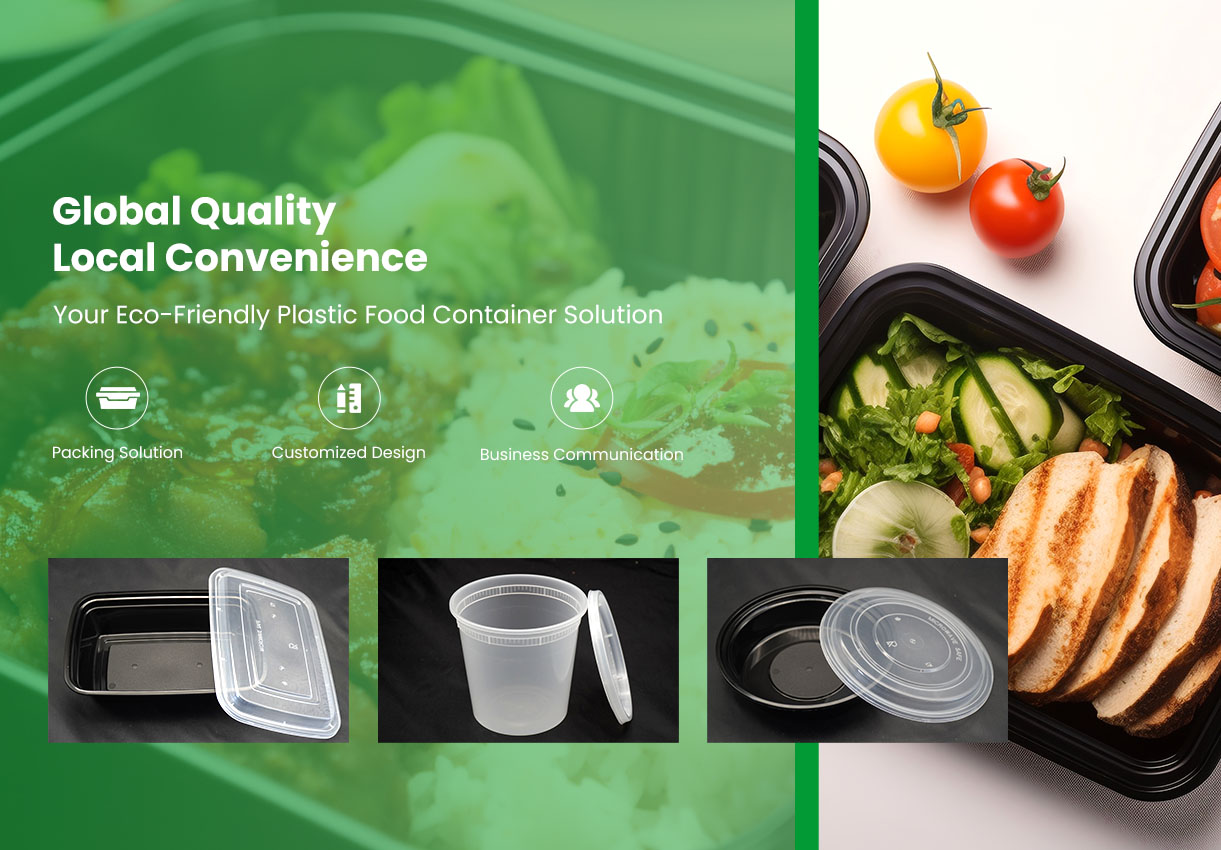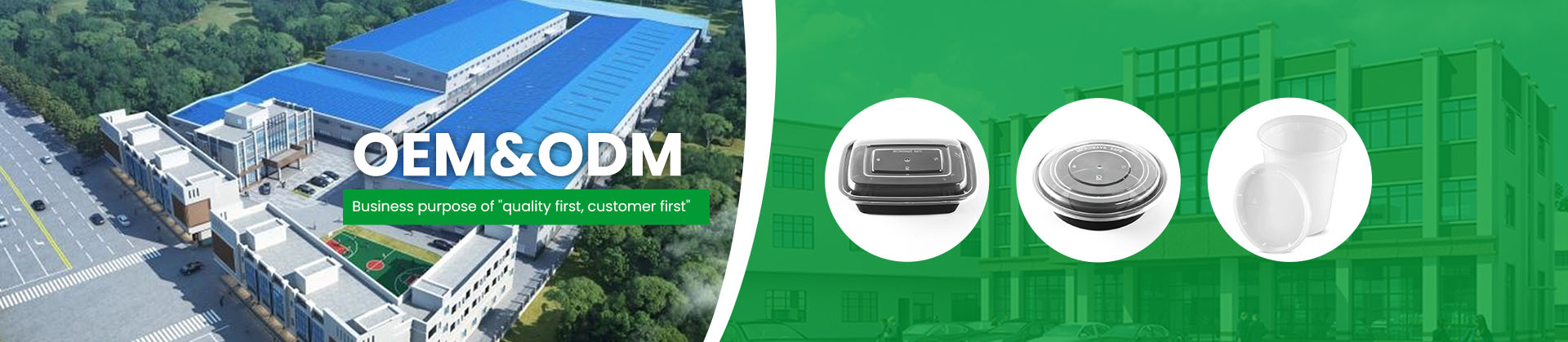
Packaging shape influences not only storage efficiency but also food presentation, handling convenience, and transportation stability. Round food containers are commonly selected for products that require easy access, balanced portion presentation, and reliable sealing. Their curved structure works well for various prepared foods, including takeaway meals, desserts, snacks, and fresh ingredients.
Unlike rectangular containers that are often designed for organized stacking of large portions, round containers provide a flexible solution for foods that are mixed, layered, or served individually. The smooth interior surface also makes them easier to clean during repeated-use applications or suitable for foods where complete removal is important.
The circular shape provides advantages for many food categories. It allows even distribution of contents and works especially well for foods that do not require strict arrangement.
| Food Category | Examples | Packaging Advantage |
|---|---|---|
| Rice dishes | Curry rice, mixed rice, rice bowls | Supports balanced portions |
| Salads | Fruit salad, vegetable salad | Keeps ingredients organized |
| Desserts | Ice cream, pudding, cake pieces | Improves visual presentation |
| Snacks | Nuts, chips, small snacks | Convenient for storage |
| Ready meals | Pasta, noodles, prepared dishes | Suitable for takeaway |
Many restaurants prefer round takeaway bowls because the shape matches common serving styles. Foods such as noodles, soups, and rice dishes are naturally suited to circular packaging because consumers can easily mix ingredients and access different areas of the container.
Prepared meals often include multiple ingredients that need enough space for mixing. The circular structure avoids sharp corners where food may remain trapped, creating a smoother eating experience.
For noodle dishes, rice meals, and curry products, round containers provide enough depth for sauces and toppings. Their design also allows lids to fit evenly around the entire edge, improving sealing performance during delivery.
When producing food containers, manufacturers often focus on wall strength, lid matching accuracy, and temperature resistance. These details affect whether the container maintains its shape after filling with hot or heavy foods.
Although restaurants are a major user of these containers, their applications extend to catering, supermarkets, meal preparation businesses, and food processing operations.
A reliable restaurant container supplier usually develops packaging solutions for different food conditions, including hot meals, chilled products, and ready-to-eat items. Different sizes can help create product ranges, from individual servings to family portions.
For example, smaller round containers can be used for desserts and side dishes, while larger versions are suitable for complete meals. This flexibility helps food operators create consistent packaging systems across different menu items.
Food characteristics determine which container structure performs best. Important factors include capacity, material, sealing method, and transportation requirements.
| Factor | Impact on Usage |
|---|---|
| Container depth | Determines suitable food types and serving size |
| Material strength | Prevents deformation during handling |
| Lid design | Helps protect food during transport |
| Temperature performance | Supports different cooking and storage conditions |
| Stack design | Improves warehouse and delivery efficiency |
Material selection is also closely related to food safety requirements. Containers used for hot meals should maintain stability under higher temperatures, while chilled food packaging may focus more on appearance and freshness protection.
Round containers provide a balance between practicality and presentation. Their shape supports many food styles while allowing efficient production and transportation. For manufacturers, consistent dimensions and reliable quality control are essential because packaging performance directly affects daily operations.
As food delivery and prepared meal services continue expanding, packaging needs to support convenience without compromising food quality. Round containers remain a popular option because they adapt well to different cuisines, serving methods, and storage environments.