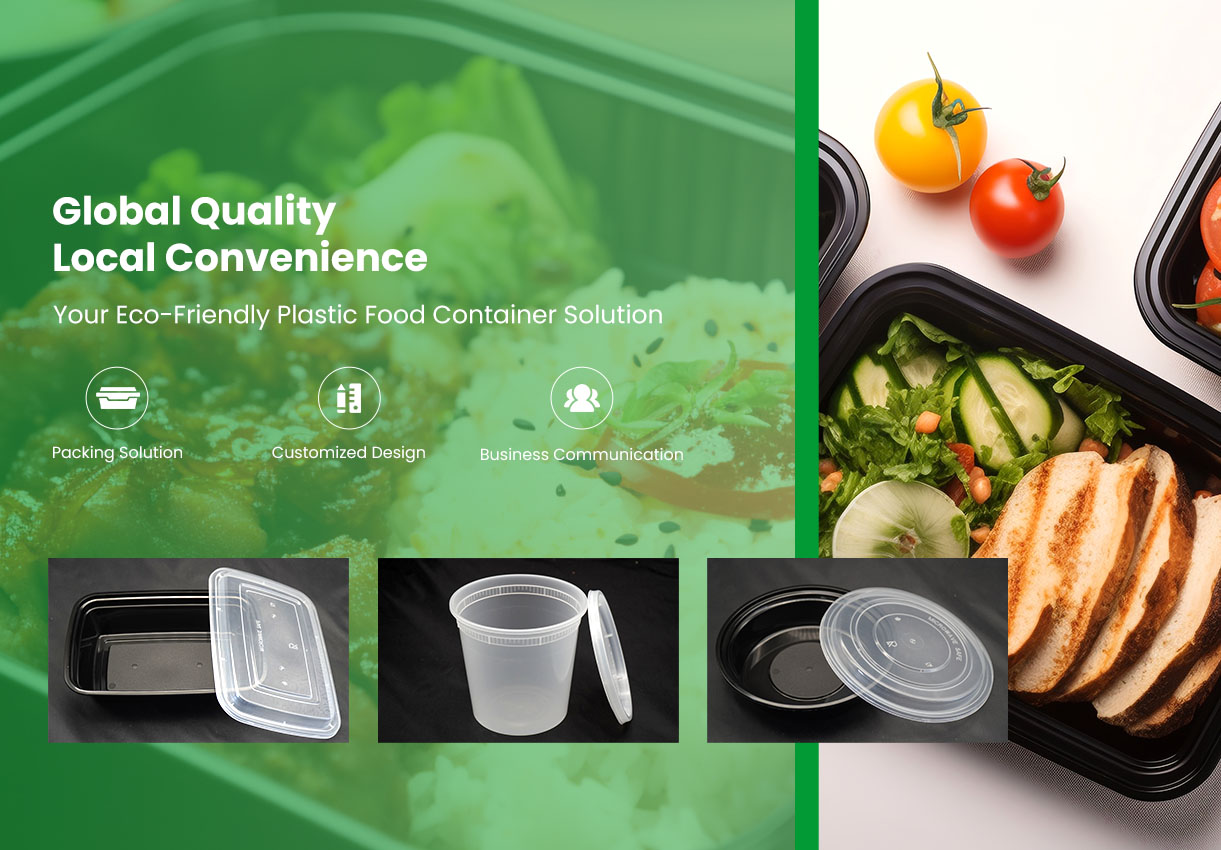
Small serving sizes are becoming more common in takeaway services, catering events, food sampling, and ready-to-eat meal operations. The container size directly affects portion control, food presentation, storage efficiency, and customer experience. 8oz soup cups are designed for foods that require convenient handling while maintaining proper capacity for individual servings. With a compact structure and reliable sealing options, these containers are widely used for soups, sauces, desserts, and other prepared foods.
The 8oz capacity is approximately 240ml, making it suitable for controlled portions without creating unnecessary packaging waste. When selecting suitable foods, manufacturers usually consider factors such as temperature resistance, leak prevention, stacking performance, and compatibility with lids.
The compact capacity of these containers makes them suitable for a wide range of food applications. They are especially practical when food needs to be separated into individual portions.
| Food Type | Why It Fits 8oz Capacity | Common Application |
|---|---|---|
| Cream soups | Provides a convenient single serving size | Cafes, restaurants, catering |
| Sauces and dips | Prevents excessive portioning and reduces waste | Fast food, takeaway meals |
| Desserts | Suitable for mousse, pudding, and yogurt-based foods | Bakeries and dessert shops |
| Salad toppings | Keeps ingredients separated and fresh | Meal preparation services |
| Snacks | Easy to carry and store | Events and food sampling |
Hot and cold foods can both be considered when choosing small soup cups, but the material performance is an important factor. For hot applications, the container needs enough strength to handle temperatures generated during filling and transportation. For chilled foods, clarity, appearance, and sealing performance often become more important because customers expect clean presentation.
Soup remains one of the most common uses for this size of container. Vegetable soup, chicken soup, seafood soup, and creamy soup can all be packed into an 8oz portion when the serving requirement is controlled.
A suitable soup container should provide stable side walls and a secure lid connection. During transportation, leakage resistance becomes essential because liquid foods create higher pressure compared with dry products. Many food packaging manufacturers improve container design through reinforced edges and matching lids that help maintain sealing performance.
For commercial food operations, portion consistency is also valuable. Using the same capacity for each serving helps simplify preparation processes and reduces differences between individual meals.
Beyond soup applications, 8oz containers are widely used for sauces, gravy, dressings, and side dishes. These foods usually require smaller quantities but still need reliable packaging during delivery.
Common examples include cheese sauce, barbecue sauce, curry sauce, mashed potatoes, and fruit toppings. Compared with larger packaging, smaller containers help operators control ingredient usage while improving order organization.
A professional portion cup supplier usually provides different lid options and material choices to meet different food requirements. Transparent designs may be preferred for products where visual appearance influences purchasing decisions, while thicker materials can be selected for heavier foods.
The right container depends not only on capacity but also on the food characteristics and usage environment. Before production or bulk purchasing, several factors should be evaluated.
| Selection Factor | Importance |
|---|---|
| Material thickness | Determines strength during filling and transportation |
| Temperature resistance | Supports hot or cold food applications |
| Lid compatibility | Reduces leakage risks |
| Stackability | Saves storage space during delivery and inventory |
| Surface quality | Improves product appearance |
Food packaging design continues to focus on balancing convenience, durability, and resource efficiency. Smaller containers help food operators create flexible serving options while maintaining consistent packaging standards.
A properly designed 8oz container can improve workflow from kitchen preparation to final delivery. The size allows easy portion management, while the compact shape reduces storage requirements compared with oversized packaging.
For takeaway meals, catering services, and prepared food production, packaging is part of the overall service experience. Containers that maintain shape, protect food quality, and support efficient handling can help improve daily operations.
Selecting the correct size and structure ensures that every portion reaches customers with the expected appearance and quality. 8oz soup cups provide a practical solution for many food categories where controlled serving sizes and convenient packaging are required.