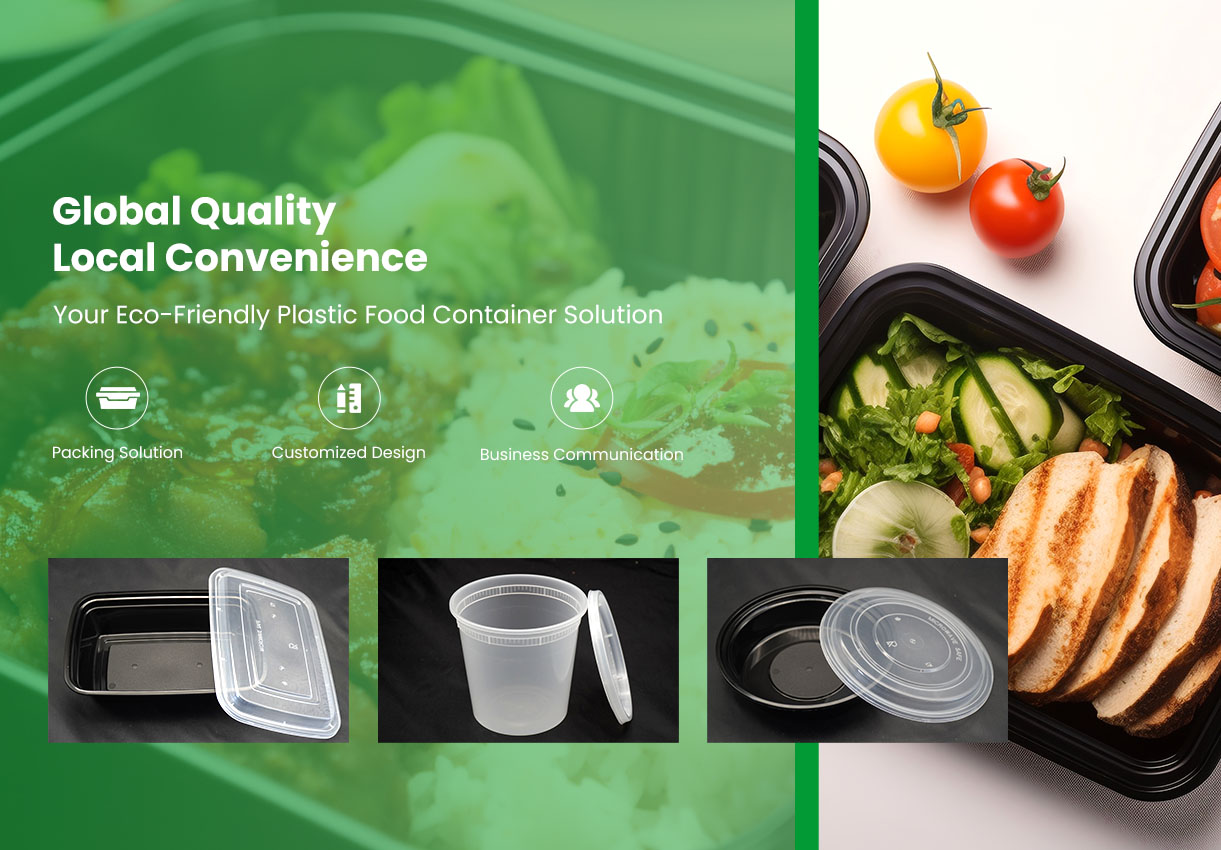
Capacity affects more than the amount of soup a package holds. It influences headspace, lid pressure, portion cost, movement, carton quantity, and presentation. When ordering soup packaging containers, buyers should distinguish between advertised volume and the volume that can be filled safely.
A container described by ounces is normally identified by approximate total capacity, but filling it to the rim is rarely suitable for delivery. Space above the soup prevents contact with the seal and absorbs movement. Thin broth, long routes, and high filling temperatures may require more allowance.
Disposable Soup Cup ranges commonly cover several capacities rather than one universal size, reflecting the different needs of side portions, individual servings, noodles, and family-style orders.
A container that is too large increases cost, makes the portion appear small, and may encourage over-serving. One that is too small creates overfilling, lid contamination, leakage, and inconsistent weight.
For a soup packaging wholesaler, the goal is to offer enough size steps to cover common menu positions without creating an unmanageable number of SKUs. Each size should have a defined serving target and food application.
Two containers with the same stated volume may behave differently. A tall narrow cup limits surface area and may help reduce sloshing, while a wide bowl improves access for noodles and toppings. Deep containers concentrate weight on the bottom; wide containers require sufficient rim stiffness to keep the lid engaged.
Round structures distribute liquid pressure continuously around the wall. Rectangular formats pack efficiently in bags, but corners and long sides require accurate molding and closure control.
Fill samples with the actual recipe, measure serving weight and headspace, close the lid, and simulate delivery. Repeat with the smallest and largest expected portions.
The following guide can help organize the evaluation:
| Capacity Decision | Question To Ask |
|---|---|
| Menu role | Is it a side, standard meal, noodle bowl, or shared portion? |
| Usable fill | How much soup can be added while preserving headspace? |
| Ingredient volume | Do noodles, vegetables, or meat rise above the liquid? |
| Delivery route | How much movement and waiting time are expected? |
| Lid design | Does the lid intrude into the internal space? |
| Carton efficiency | How many pieces and cartons fit the shipment plan? |
Larger containers may reduce pieces per carton and increase freight cost per unit. Deep nesting improves shipping density, but excessive nesting can slow separation. Compare carton size, sleeve quantity, pallet count, and warehouse space with unit price.
A common lid across several capacities can simplify inventory, provided the fit remains stable on every base. This arrangement is useful for wholesalers serving multiple restaurant formats.
A purchase order should state the model, nominal capacity, usable fill target, top diameter, height, lid code, material, and test conditions. Do not rely on a size name alone because different manufacturers may interpret the same ounce description differently.
Capacity matters because it connects packaging performance with portion planning and distribution cost. Choosing the correct soup packaging containers gives the meal enough space to travel safely while preserving the intended serving size, appearance, and profitability.