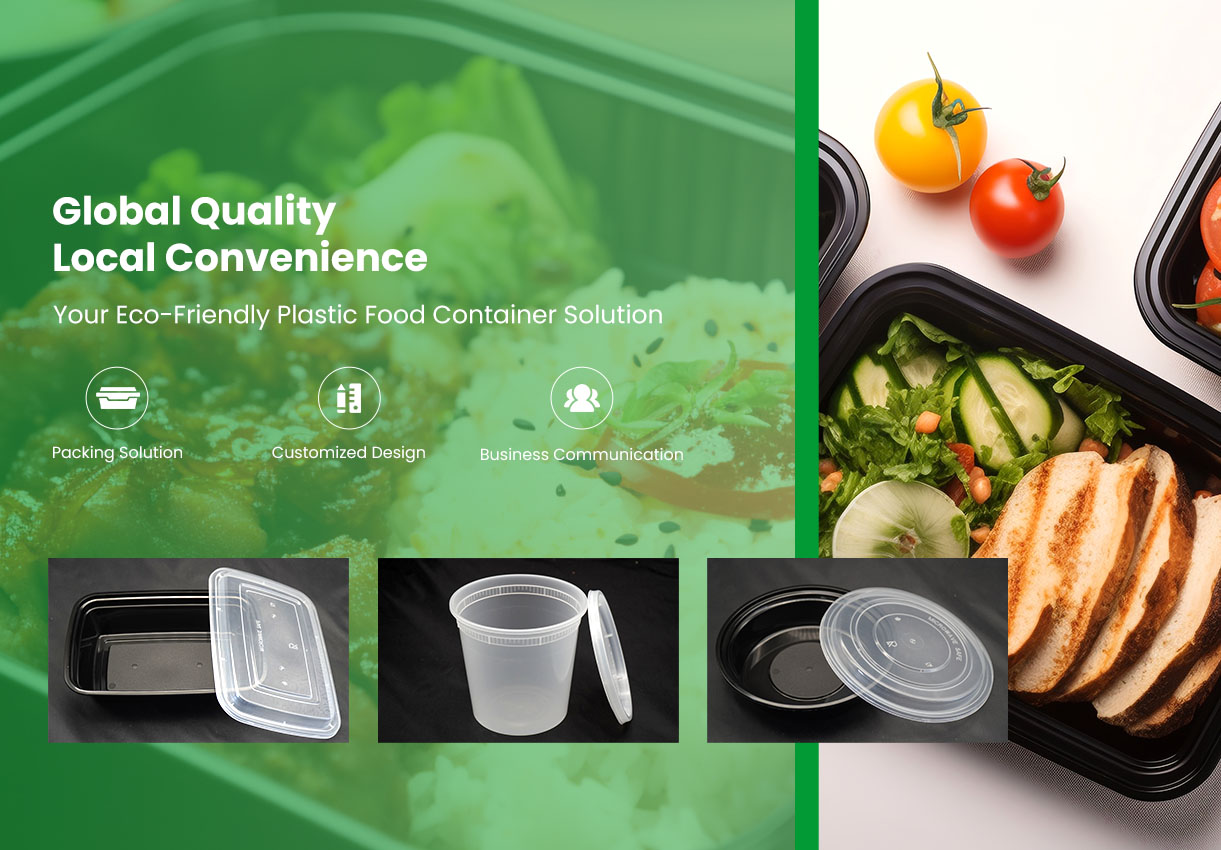
There is no single material that is best for every hot meal. The right choice depends on filling temperature, oil content, delivery time, reheating method, stacking pressure, and local disposal requirements. When sourcing takeout food containers, buyers should compare complete performance rather than selecting a material only because it is described as heat resistant or environmentally friendly.
Hot rice, soup, fried chicken, curry, pasta, and baked dishes place different demands on packaging. Soup requires a secure seal and stable rim. Fried food needs controlled ventilation so steam does not destroy texture. Oily meals require grease resistance, while microwave meals need dimensional stability during reheating.
| Material | Main Advantages | Points To Confirm |
|---|---|---|
| Polypropylene PP | Light, tough, nestable, suitable for many hot-fill uses | Resin grade, microwave instructions, lid limit |
| Bagasse molded fiber | Rigid feel and plant-fiber appearance | Oil resistance, moisture exposure, compostability evidence |
| Coated paperboard | Printable and familiar for takeaway service | Coating type, seam strength, disposal route |
| Aluminum | Strong heat barrier and good rigidity | Lid fit, denting, microwave restrictions |
| PLA-based structure | Clear appearance and compostable potential | Heat limit and industrial composting scope |
Food-contact suitability must be confirmed for the intended use. Coatings, inks, adhesives, colorants, and lids also matter, not only the container base. The FDA treats packaging and substances applied to it as food-contact materials, so a supplier should explain the intended application and provide relevant supporting documents.
PP is common in hot takeout containers because it combines low weight, flexible design, efficient nesting, and practical resistance to many hot foods. However, the letters “PP” do not guarantee identical performance. Resin grade, wall distribution, additives, molding conditions, and lid construction all influence the finished package.
Buyers should request separate heating instructions for every component and test the complete pack with actual food. A stable base is not enough when the lid deforms, the rim twists, or the closure loosens after contact with steam.
Bagasse and other molded fibers suit projects that require a rigid package with a natural appearance. They can work well for rice meals, grilled food, burgers, and oily dishes when fiber formation and the grease barrier are controlled. LVHUI’s biodegradable range includes clamshell formats made from plant fibers such as bagasse or wheat straw.
Fiber boxes should be checked for prolonged contact with sauce, lid alignment, and stacking performance. Plant-based content alone does not prove that a finished package meets a recognized composting standard.
Coated paperboard may be preferred when branding and surface printing are important. However, buyers must confirm whether the coating is suitable for oily or wet food and whether it changes the expected recycling or composting route. Aluminum can provide strong heat resistance but requires clear instructions because it is not suitable for normal microwave heating.
Ask a potential takeout container supplier for production samples. Fill them at normal service temperature, close them with regular kitchen staff, stack them for the expected delivery period, and inspect deformation, leakage, odor, oil marks, and lid retention. Repeat microwave, refrigeration, or freezer cycles when relevant.
The better material is the one that protects the meal through the full service cycle while meeting the destination market’s food-contact and waste-management requirements. A clear specification should define the food, temperature range, usable capacity, heating method, test procedure, and acceptable result. This turns material selection into a measurable packaging decision.