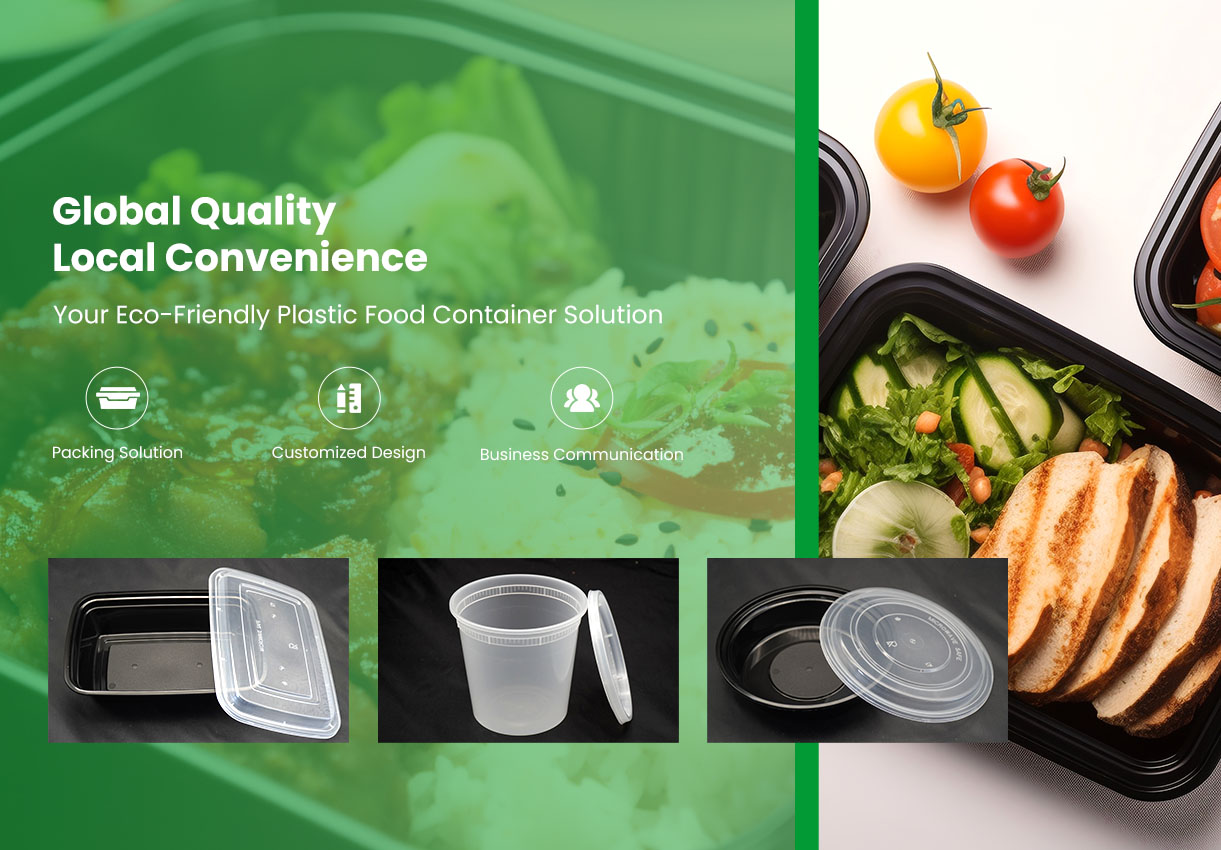
A loose lid creates leakage, poor ventilation softens fried food, and a weak base makes a meal look damaged before it is opened. Effective food delivery packaging must protect the meal, support kitchen speed, and remain presentable after stacking, vibration, and temperature changes.
Leakage can contaminate other items, damage labels, and make an order appear unhygienic. Common causes include an uneven rim, incomplete closure, overfilling, insufficient headspace, and inconsistent lid-to-base fit.
Test the package with the actual sauces and oils used in the menu. A good closure can still fail when only one edge is pressed.
Hot food continues releasing moisture after packing. When steam cannot escape, condensation collects on the lid and returns to the meal. Fried chicken, fries, pastries, and grilled products may lose texture before delivery.
Soup, rice, and moist dishes may require a tighter closure. Packaging should match how each food behaves during the expected delivery time.
Thin lids, weak sidewalls, or poor carton protection can allow boxes to bend under stacking pressure. A crushed package may mix ingredients, touch the food surface, or cause sauce to overflow.
Rim rigidity, corner design, base support, and delivery-bag stacking should be evaluated together. Heavy meals should not sit above delicate items without adequate load strength.
Oversized boxes make portions look small and allow food to move. Undersized boxes encourage overfilling, prevent full lid engagement, and compress the meal. Compare nominal capacity with usable filling capacity.
Compartments improve presentation only when divider height prevents sauces from crossing.
Some delivery packaging problems begin in the kitchen. If lids require excessive force, staff may close them incompletely during peak hours. If the lock is too tight, customers may spill food while opening it. Hinged boxes can spring open when the hinge, lock, and material flexibility are poorly balanced.
A package that works only when closed slowly is not suitable for a busy line.
Packaging should not negatively affect food taste, smell, or composition under intended use. Major markets regulate food-contact materials for this reason. Buyers should request suitable compliance documents and confirm whether the box is intended for hot filling, freezing, microwave reheating, or cold display.
Instructions should state whether the lid must be removed or vented before heating.
A foodservice packaging supplier can use complaint records to improve purchasing. Classify each case by menu item, container model, filling temperature, delivery time, and failure position.
| Complaint | Packaging Check |
|---|---|
| Sauce in the bag | Lid fit, rim flatness, fill level |
| Fried food is soft | Ventilation and packing temperature |
| Meal arrives mixed | Divider height and lid contact |
| Box bends when lifted | Bottom stiffness and portion weight |
| Lid is hard to open | Lock design and closure force |
Before bulk ordering, test samples through filling, closing, stacking, transport, and customer opening. This reveals failures that visual inspection misses.
Good food delivery packaging protects the expected eating experience. When complaint data becomes measurable requirements, buyers can reduce repeated failures, select containers accurately, and build a more stable supply program.