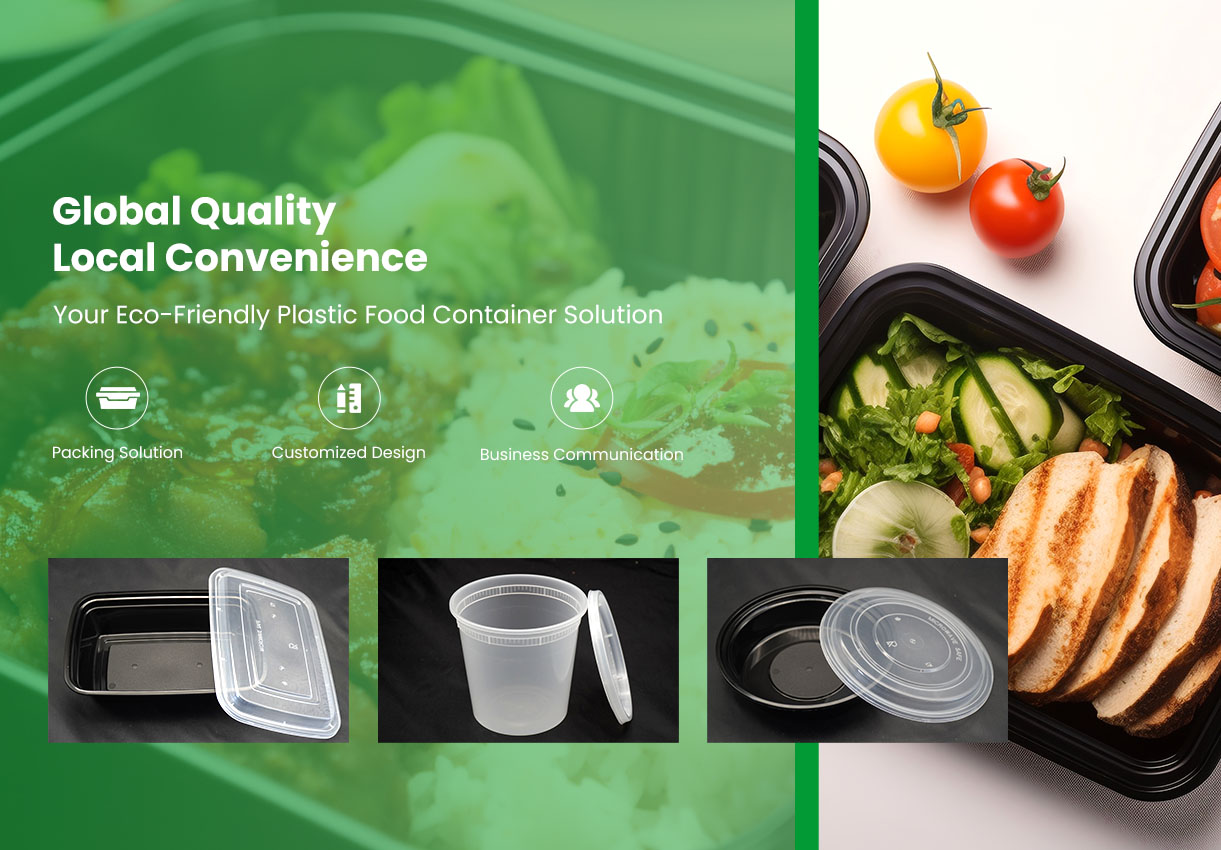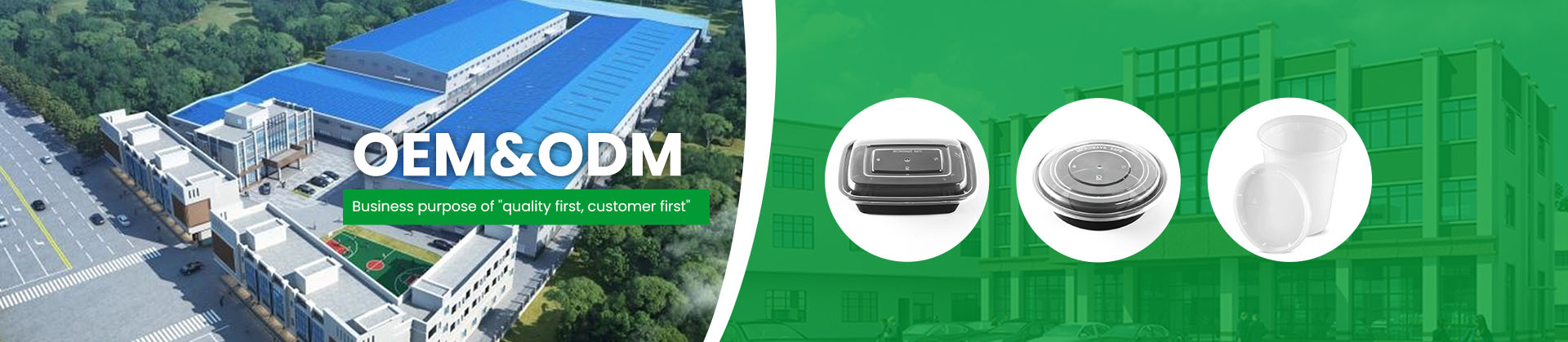
Freshness in takeaway packaging depends on how the package manages heat, moisture, air, food separation, and transport time. Well-selected disposable takeout containers help preserve texture, appearance, aroma, and temperature until the meal reaches the customer. The best result comes from matching the container to the behavior of the food instead of using one box for every menu item.
Crispy food releases heat and moisture after cooking. If it is sealed immediately in a fully closed box, steam can soften the surface. Soup has the opposite requirement: it needs a secure lid, stable rim, and enough headspace to reduce movement. Salads require crush protection and may benefit from separating dressing or hot ingredients.
This is why fresh food packaging should be selected by menu category. A vented lid may improve fried chicken quality but would be unsuitable for broth. A clear lid supports display, while an opaque base can improve presentation and hide minor staining.
Tight sealing reduces drying for rice, pasta, fruit, and prepared meals. Controlled ventilation allows excess steam to escape from fried or baked products. Buyers should test vented and non-vented options with the actual food.
A container does not replace safe hot or cold holding, but its material and shape influence heat loss. Deep containers behave differently from wide shallow trays. Closures must remain stable at the intended filling temperature.
Multi-compartment designs reduce flavor transfer and keep sauces away from dry items. The divider height should work with the lid so food cannot move between sections during transport.
A lid that collapses under stacking can touch the meal, release liquid, or damage presentation. Ribs, corner strength, and suitable carton packing help the package keep its shape.
A wholesale takeout supplier should review the menu before recommending sizes:
Soups and curries need secure seals, headspace, and strong rims.
Rice meals need balanced depth, stackability, and oil resistance.
Fried foods may require ventilation.
Salads need visibility, crush protection, and dressing separation.
Desserts need stable presentation and limited movement.
Portion control is equally important. Oversized boxes allow food to move and cool faster, while undersized boxes cause overfilling and closure failure. Buyers should compare usable capacity with listed capacity because space is required for safe closing.
Prepare the same meal in several candidate containers. Pack each one using normal kitchen procedures, then hold and transport it for the expected delivery period. Evaluate lid security, condensation, texture, aroma, appearance, and whether sauces move into other sections.
| Trial Meal | What to Observe |
|---|---|
| Hot rice meal | Condensation, lid deformation, oil resistance |
| Fried food | Crispness and steam release |
| Soup | Leakage, rim stability, lid lifting |
| Salad | Crushing, visibility, moisture buildup |
| Mixed meal | Divider performance and flavor transfer |
Repeat the trial with different staff because closure force and filling habits vary in real kitchens.
A good sample is not enough if dimensions, lid fit, or material behavior change between batches. Discuss mold control, raw-material traceability, dimensional inspection, and export packing with the manufacturer.
Selecting disposable takeout containers by food behavior, delivery time, and operating conditions improves more than freshness. It can reduce rejected meals, simplify kitchen work, control portion appearance, and protect the food brand throughout delivery.