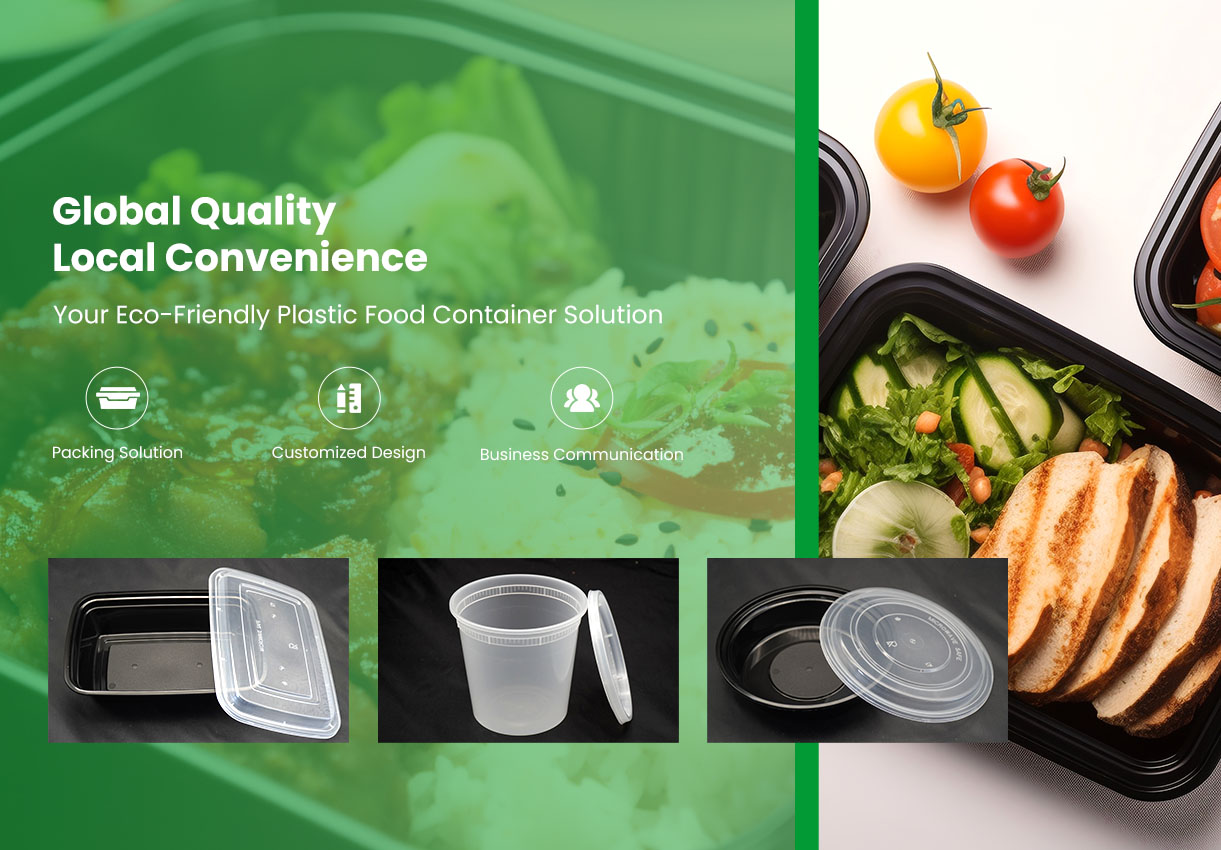
Disposable Lunch Boxes are designed for convenience, hygiene, and cost efficiency, but many users still ask whether they can be reused in practice. The answer is not a simple yes or no. Reusability depends on material type, structural design, food safety considerations, and how the container is handled after first use. Understanding these factors helps buyers and end users make informed decisions without compromising safety or performance.
Disposable lunch boxes are primarily engineered for single-use food contact. Their design priorities focus on:
Food safety during initial use
Adequate strength for transport and handling
Cost control for high-volume applications
Compatibility with hot or cold food, depending on material
They are not manufactured with long-term durability, repeated washing, or extended structural fatigue in mind. As a result, reuse should be evaluated carefully rather than assumed to be safe or reliable.
The possibility of reuse largely depends on the base material of the lunch box.
Some disposable plastic lunch boxes, especially those made from polypropylene, can technically be reused a limited number of times if handled properly. These containers may tolerate light washing and reheating, but several limitations remain:
Surface scratches can harbor bacteria
Repeated heating may weaken structure
Lids may lose sealing performance
Plastic aging can affect food safety
For these reasons, reuse should be considered occasional and short-term, not a replacement for true reusable containers.
Lunch boxes made from sugarcane bagasse, bamboo fiber, or molded pulp are generally not suitable for reuse. These materials are porous and absorb moisture, oils, and food residues quickly. Even after cleaning, hygiene risks remain, and structural integrity is significantly reduced.
These products are better positioned for composting or disposal after a single use rather than reuse.
Compostable lunch boxes are designed to break down under composting conditions, not to withstand repeated use. Washing them can damage fiber bonds or coatings, making reuse impractical and unsafe.
Food safety is the most critical factor when considering reuse.
Disposable lunch boxes:
Are not tested for repeated food contact cycles
Often lack antimicrobial surface treatments
May deform slightly after heat exposure, creating micro-gaps
Once a container is scratched, warped, or stained, it becomes difficult to clean thoroughly. This increases the risk of bacterial growth, especially with oily or protein-rich foods.
In regulated food service environments, reuse of disposable containers is generally discouraged or restricted to avoid compliance issues.
Even when a disposable lunch box appears intact after first use, performance often declines with reuse:
Hinges on clamshell designs weaken
Lid snap-fit precision decreases
Stackability is reduced
Leak resistance becomes unreliable
These issues may not be obvious immediately but can lead to spills, customer complaints, or transport failures.
From an environmental standpoint, reusing a disposable lunch box once or twice may reduce waste generation in the short term. However, this benefit must be balanced against:
Increased water and detergent use for cleaning
Potential food waste from leaks or contamination
Reduced recyclability if the container becomes heavily soiled
In many cases, choosing the right material for the right disposal route has a greater environmental impact than attempting to reuse a product not designed for it.
Limited reuse may be acceptable when:
The container is made from sturdy PP plastic
It held dry or low-risk food
It is washed promptly with mild detergent
It shows no warping, cracking, or odor retention
Even in these cases, reuse should remain minimal and not be positioned as a standard practice.
If reuse is a priority, a better approach is to:
Select containers specifically designed for multiple-use cycles
Use certified reusable food containers where regulations require
Pair disposable containers with composting or recycling systems
For single-use needs, choosing high-quality disposable lunch boxes that align with recycling or composting infrastructure is often the most practical and responsible solution.
A reliable manufacturer should clearly communicate whether their lunch boxes are intended strictly for single use or can tolerate limited reuse under specific conditions. LVHUI provides disposable lunch box solutions with clear material selection, consistent quality control, and performance aligned with real food service scenarios. This transparency helps buyers avoid misuse and ensures containers are used as designed.
Disposable lunch boxes are not meant to replace reusable containers. While some plastic options may tolerate limited reuse, doing so carries food safety and performance risks. For most applications, disposable lunch boxes should be used once and then directed to proper recycling or composting channels based on their material type.
Choosing the correct container, using it as intended, and aligning it with appropriate waste management practices delivers better results than attempting to extend the life of a product not designed for reuse.