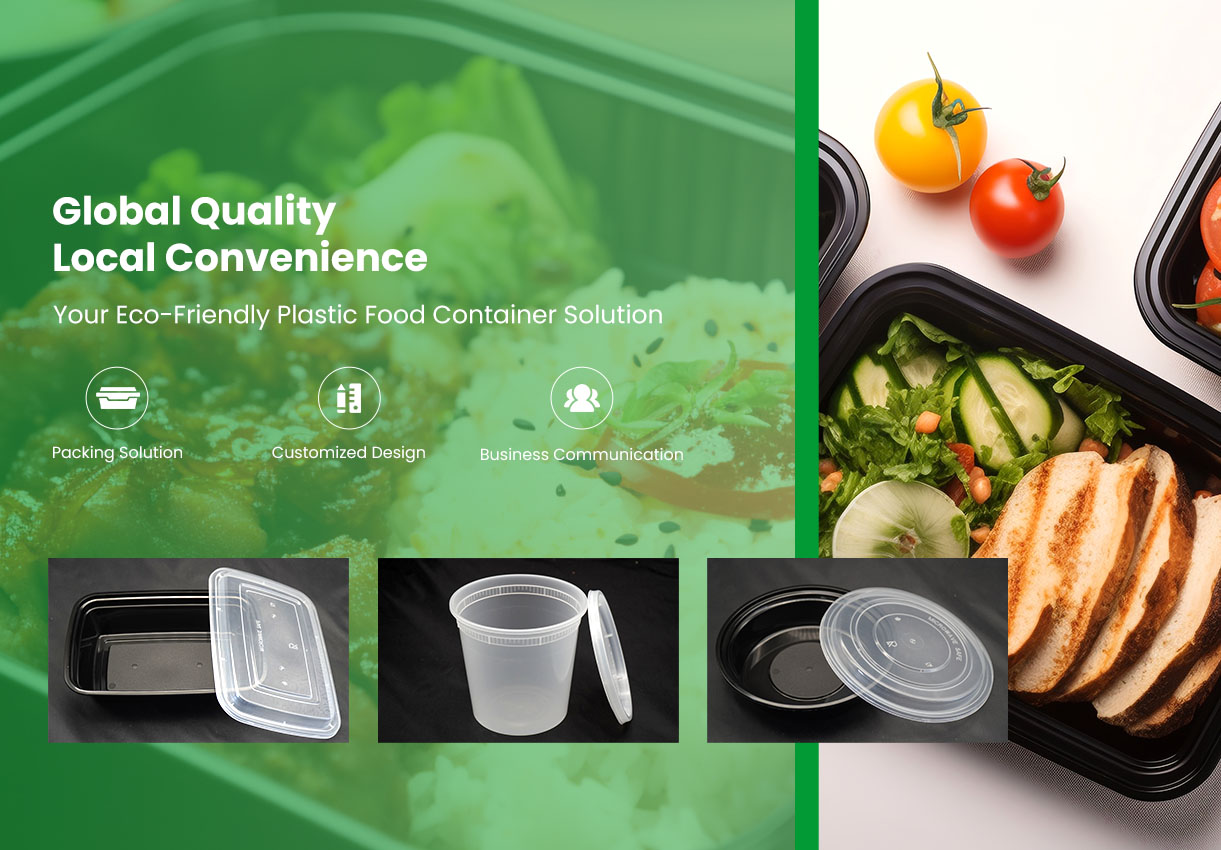
Food packaging containers are in direct contact with food, which makes certification not just a formality but a core requirement for safety, compliance, and market access. For manufacturers, distributors, and food service operators, understanding which certifications matter helps reduce regulatory risk, supports smooth customs clearance, and builds trust with downstream customers. This article explains the key certifications food packaging containers should have, what they mean in practice, and how to evaluate them during sourcing.
Food packaging certifications exist to ensure that containers do not transfer harmful substances into food, remain stable under intended use conditions, and meet regional legal requirements. Without proper certification, packaging may be rejected by import authorities, banned from use in certain markets, or lead to liability issues if food safety incidents occur.
From a practical standpoint, certifications help buyers:
Verify material safety for direct food contact
Confirm compliance with regional regulations
Reduce audit and inspection risks
Standardize supplier evaluation criteria
For packaging entering or used in the United States, compliance with FDA food contact regulations is essential. This certification confirms that raw materials, additives, and manufacturing processes meet FDA requirements for food-contact applications.
FDA compliance focuses on:
Approved base resins and additives
Migration limits for substances that may transfer to food
Suitability for specific food types and temperatures
Even for export-oriented manufacturers, FDA compliance is often treated as a baseline standard due to its global recognition.
For the European market, food packaging containers must comply with EU food contact regulations, including framework and material-specific requirements. These regulations ensure that materials do not endanger human health or change food composition, taste, or odor.
EU compliance typically requires:
Declaration of Compliance from the manufacturer
Traceability of raw materials
Migration testing under defined conditions
This certification is critical for containers used in food service, retail, and industrial food processing within Europe.
For packaging supplied to or produced within China, compliance with GB food contact standards demonstrates adherence to national safety requirements. These standards define permitted materials, additives, and migration limits and are commonly requested by importers sourcing from Chinese manufacturers.
Different materials used in food packaging may require additional verification depending on performance and usage scenarios.
Plastic food containers commonly use materials such as PP, PET, or PS. Certification should confirm:
Food-grade resin sourcing
Absence of restricted heavy metals
Stability under heat, cold, and microwave conditions when applicable
Clear documentation helps buyers match container performance with real-world food applications.
If containers are marketed as compostable or biodegradable, certification becomes especially important. Claims should be supported by recognized compostability standards and third-party testing.
Key points to verify include:
Whether composting is industrial or home-based
Timeframe for decomposition
Residue and toxicity requirements
Without certification, environmental claims may be misleading and expose buyers to regulatory or reputational risk.
While not always legally required, system-level certifications strengthen supplier credibility and consistency.
ISO 9001 indicates that the manufacturer follows a structured quality management system. For food packaging, this supports consistency in dimensions, sealing performance, and material control across production batches.
For manufacturers closely integrated with food industry supply chains, food safety management certifications demonstrate control over contamination risks, hygiene practices, and traceability.
Certifications are only valuable when supported by clear documentation. When evaluating food packaging containers, buyers should request:
Food contact test reports
Migration testing results
Material safety data sheets
Declarations of Compliance
Certification validity and renewal records
This documentation should match the actual product structure, including coatings, inks, and adhesives.
Not every container needs every certification. The correct approach is to align certification requirements with:
Target market regulations
Food type and temperature
Storage and reheating conditions
Environmental claims made in marketing
For example, a microwaveable container requires different verification than a cold salad box. Over-certifying increases cost, while under-certifying increases risk.
A reliable manufacturer should treat certification as part of product design, not an afterthought. LVHUI is an example of a supplier that integrates food-contact safety requirements into material selection and production control, offering food packaging containers supported by appropriate compliance documentation. Working with manufacturers that understand certification requirements across markets helps buyers streamline sourcing and reduce compliance uncertainty.
Food packaging container certifications are essential tools for ensuring safety, regulatory compliance, and long-term reliability. Rather than viewing them as paperwork, buyers should treat certifications as decision-making criteria that protect both end users and brand reputation. By understanding core food contact standards, material-specific requirements, and proper documentation, you can confidently select containers that meet market expectations and operational needs.