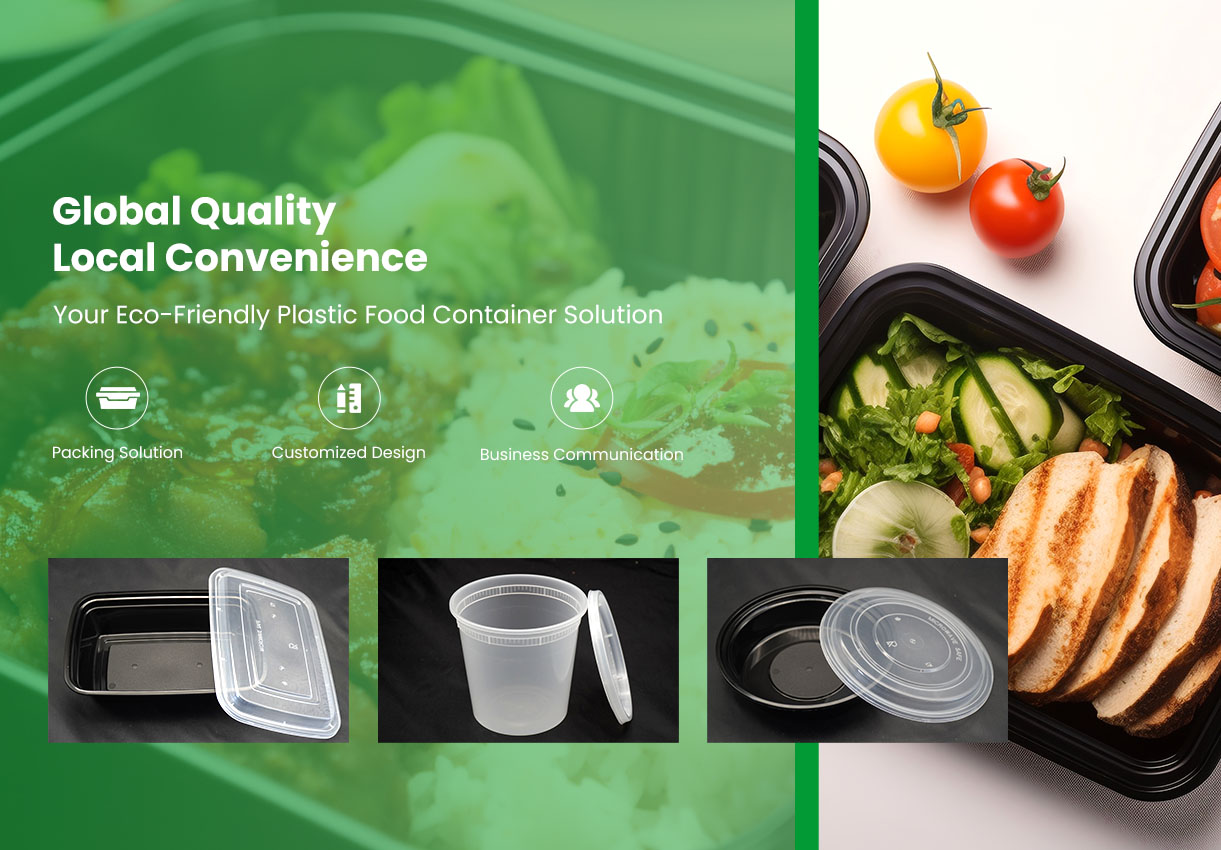
Microwaving food is a daily convenience for millions of people, but not every plastic container is suitable for this use. Understanding which types of plastics are safe in the microwave and how to use them properly helps prevent health risks and keeps your food tasting fresh.
Not all plastics respond to microwave heat in the same way. Some containers may warp, melt, or release harmful chemicals when exposed to high temperatures. Microwave-safe plastics are specifically formulated to resist heat and remain stable under microwave radiation. These containers are tested for safety and usually display a microwave-safe symbol, often a wavy line or a microwave icon.
Plastics such as polypropylene (PP) and certain types of polyethylene (PE) are commonly approved for microwave use because they have higher melting points and chemical stability. On the other hand, materials like polystyrene (PS) or polyvinyl chloride (PVC) can release toxic substances when heated and should be avoided in microwaves.
A quick look at the container’s bottom can tell you if it’s microwave safe. The recycling code and material type are key indicators.
| Recycling Code | Material Name | Microwave Safety Status |
|---|---|---|
| #1 PET (Polyethylene Terephthalate) | Not recommended for microwaving | Can warp or leach under heat |
| #2 HDPE (High-Density Polyethylene) | Sometimes safe | Check for “microwave-safe” label |
| #3 PVC (Polyvinyl Chloride) | Unsafe | Releases harmful chemicals |
| #5 PP (Polypropylene) | Safe | Common microwave-safe material |
| #6 PS (Polystyrene) | Unsafe | May melt and release toxins |
| #7 Other (Mixed Plastics) | Varies | Verify labeling before use |
Only containers labeled as “microwave safe” should be trusted. Reusing single-use plastic containers from takeout or yogurt packaging is risky because they were not designed to withstand high temperatures.
Using non-microwave-safe plastics can result in multiple hazards. First, chemical leaching occurs when heat causes the release of substances like bisphenol A (BPA) and phthalates. These compounds can migrate into food and potentially disrupt the body’s hormonal balance over time.
Second, non-heat-resistant plastics may deform, causing lids to loosen or containers to spill, leading to burns or messes. Finally, melted plastic can contaminate the microwave interior, producing unpleasant odors and requiring extensive cleaning.
To minimize risk and maintain food quality, several precautions should be followed:
Use Containers with Microwave-Safe Labels – Always check for the appropriate icon before use.
Avoid Heating at Maximum Power – Reduce the microwave’s power setting to prevent localized overheating of plastic.
Leave Lids Slightly Open – This allows steam to escape and reduces pressure buildup that could deform the container.
Avoid Deeply Colored or Printed Plastics – These may contain additives or dyes that are unstable under heat.
Replace Worn Containers – Discoloration, cracks, or stains indicate material fatigue, which can increase the risk of chemical release.
These simple steps ensure that your microwave remains safe and your food uncontaminated.
If you prefer to avoid plastic altogether, there are durable alternatives. Glass containers are an excellent choice because they don’t leach chemicals and withstand high temperatures. Ceramic dishes marked microwave-safe also perform well and retain heat evenly. Silicone containers are another growing option, combining flexibility with heat resistance and durability.
Each of these materials offers different advantages. Glass provides a clean, odor-free surface ideal for reheating meals, while silicone containers are lightweight and convenient for transport. Switching to these alternatives can provide long-term safety and environmental benefits.
Even certified microwave-safe containers degrade over time. Signs of wear include discoloration, warping, or an oily residue that does not wash off. These indicators suggest that the plastic’s molecular structure has been compromised, increasing the chance of leaching. If you notice these changes, it is best to discard the container immediately and replace it with a new one.
Regular inspection and rotation of containers are simple ways to ensure safe use. Keeping separate sets for microwave heating and cold storage also helps prolong the lifespan of each.
Plastic food containers can be microwave safe if they are made of heat-stable materials such as polypropylene and clearly labeled for microwave use. However, not all plastics meet these standards, and using the wrong type can lead to health and safety risks. To protect yourself and your family, always verify the label, avoid single-use plastics, and consider glass or silicone alternatives for everyday reheating. By combining proper material knowledge and careful microwave habits, you can enjoy convenience without compromising safety.