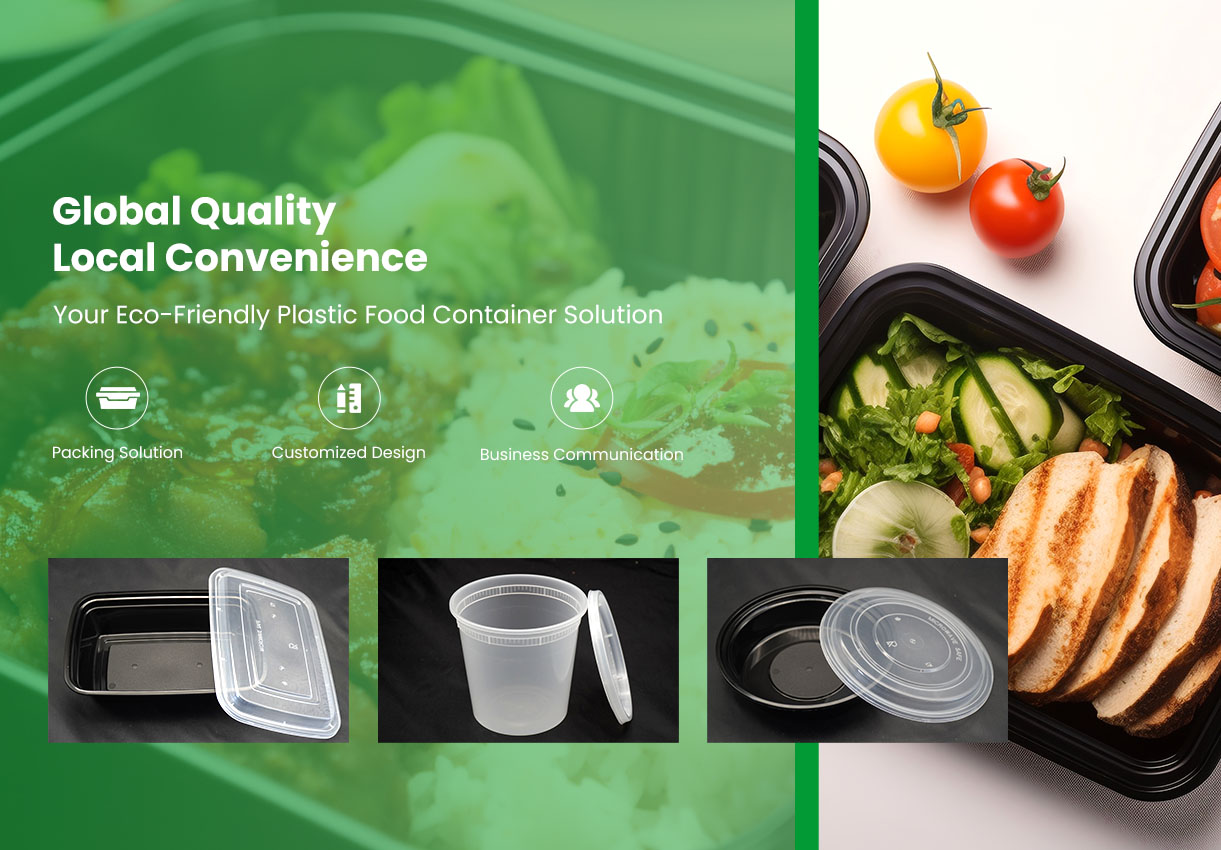
A cluttered kitchen can make meal preparation more stressful and time-consuming. food storage containers, while essential, often become one of the biggest sources of disorganization. Properly organizing them not only saves space but also helps maintain freshness and cleanliness. A well-arranged storage system can transform your kitchen into a functional and efficient space.
Begin by taking all your containers out of the cabinets or drawers. Group them by type—plastic, glass, stainless steel, or silicone—and check for missing lids, cracks, or stains. Containers that are discolored, warped, or no longer seal tightly should be recycled or repurposed. This step ensures that only functional items return to your organized space.
Once sorted, count how many containers you truly need. Many households accumulate far more than necessary. Keep a range of small, medium, and large sizes that match your usual food storage habits. Limiting the number of pieces helps maintain long-term order.
After decluttering, categorize containers based on how often you use them. Everyday containers for leftovers or meal prep should be easily accessible, ideally stored in front or on lower shelves. Specialty items like glass baking dishes or bulk storage containers can be placed higher up or toward the back.
To simplify meal planning, you can also organize by function—containers for dry goods, refrigerated meals, or freezer storage. Labeling each section will make retrieval effortless and prevent confusion when multiple family members share the kitchen.
One of the simplest organization techniques is nesting. Stack same-shaped containers inside each other to save significant space. Always keep shapes consistent—square with square, round with round—to prevent uneven piles. This reduces clutter and allows easy access when grabbing a container quickly.
Store lids vertically in a small basket, bin, or drawer divider instead of scattering them in drawers. You can sort them by size or color for faster matching. For families that prefer matching sets, some brands offer stacking systems with interlocking lids—these are particularly efficient for small kitchens.
| Storage Type | Organization Tip | Ideal Placement |
|---|---|---|
| plastic containers | Nest by size and stack vertically | Lower drawers |
| Glass Containers | Keep upright to prevent chipping | Middle shelves |
| Silicone Bags | Hang with clips or place upright in bins | Pantry or fridge |
| Lids | Store vertically in racks or bins | Drawer near containers |
Custom drawer inserts or pull-out bins keep storage zones tidy. Adjustable dividers can separate container sizes, while pull-out systems provide full visibility. For deep drawers, consider tiered racks that display containers and lids clearly. Clear bins also help prevent containers from sliding or getting lost in the back of the cabinet.
If you have open shelving, uniform baskets or transparent boxes can maintain visual order while protecting containers from dust. Labeling each bin with tags such as “lunch boxes,” “Freezer Containers,” or “Snack Storage” helps maintain organization even during busy days.
Labels make a major difference in daily kitchen management. Use waterproof stickers or printed tags to identify lid sizes, food categories, or expiration dates. For families, color-coding can simplify daily use—assign a different color for each family member’s lunch container or weekly meal prep set.
Transparent containers add convenience, allowing quick identification of contents without opening the lid. Combining labeling and visibility ensures that stored food is not forgotten, reducing waste and saving grocery costs.
Even the most organized system requires upkeep. Wipe storage areas regularly to prevent grease and crumbs from accumulating. Every few months, check for damaged containers or lids that no longer seal properly. Replace any worn pieces immediately to maintain airtight freshness and prevent leaks.
When new containers are purchased, avoid impulse sets that don’t match your existing system. Consistency in size, shape, and material ensures seamless stacking and efficient use of space. Building this maintenance habit keeps your kitchen functional year-round.
Organizing food storage containers is not just about neatness—it’s about efficiency, cleanliness, and sustainability. A categorized, labeled, and regularly maintained system helps streamline cooking and minimizes clutter. By following these steps, you can create a storage solution that enhances your kitchen’s workflow and keeps every container ready for use.