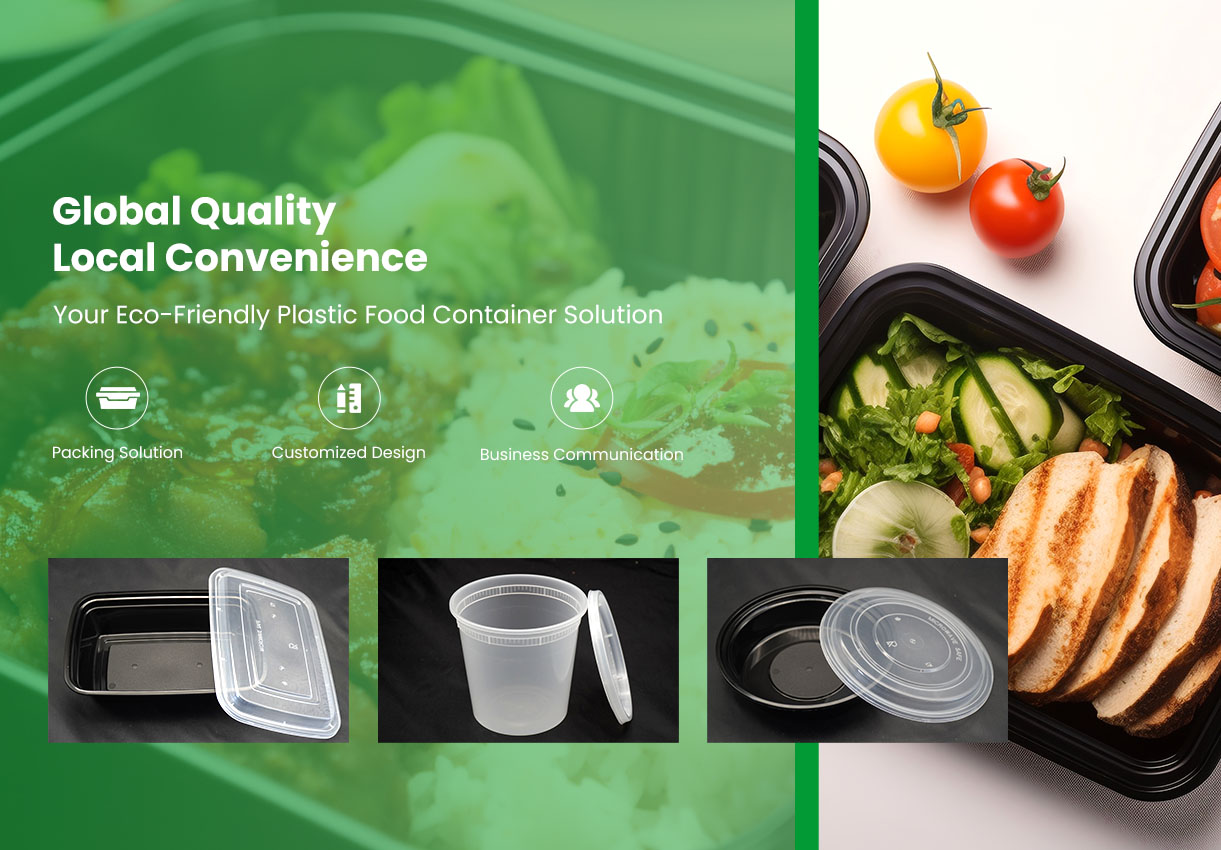
plastic containers are widely used for storing food at home, in restaurants, and in commercial packaging. They are lightweight, durable, and often affordable. However, many people still question whether plastic containers are truly safe for food storage. This article explores the safety of plastic containers, what to consider when using them, and how to choose the right type of plastic for keeping food fresh and safe.
Not all plastics are created equal. Different types of plastic have different chemical compositions and properties. Some are suitable for food contact, while others are better for industrial or non-food applications.
| Plastic Type | Common Uses | Food Safe | Notes |
|---|---|---|---|
| PET (1) | Bottles, containers | Yes | Often used for single-use packaging |
| HDPE (2) | Milk jugs, storage bins | Yes | Good chemical resistance |
| PVC (3) | Packaging film, pipes | No | Can release harmful chemicals |
| LDPE (4) | Flexible lids, bags | Yes | Soft and flexible |
| PP (5) | Food containers, microwave trays | Yes | High heat tolerance |
| PS (6) | Disposable plates, cups | No | Can leach styrene |
Plastic recycling codes (the numbers in the triangle) help identify the type of plastic. For food storage, containers made from PET, HDPE, LDPE, and PP are generally considered safe when used properly.
The main concern with plastic food containers is the potential for chemicals to migrate from the plastic into food. This process, known as chemical migration, can be influenced by:
Temperature: Heat can increase migration. Hot foods and microwaving in plastic can raise the risk.
Fat Content: Oils and fatty foods can draw out more chemicals from plastic.
Age of Container: Older and scratched plastic surfaces may release more compounds.
Type of Plastic: Some plastics are designed to minimize migration, while others are not.
When used correctly, many plastic containers are engineered to keep chemical migration at levels that are not harmful. Regulatory agencies around the world set strict limits on migration for food contact materials.
Use containers labeled food safe.
Prefer containers with recycling codes 1, 2, 4, or 5.
Avoid containers with codes 3 and 6 for food storage.
Do not microwave food in plastic containers that are not labeled as microwave-safe.
Avoid placing plastic containers near open flames or in ovens.
If reheating food, consider transferring to glass or ceramic.
Acidic foods (like tomatoes) and high-fat foods stored for long periods in plastic may increase migration.
Use glass or stainless-steel alternatives for long-term storage of these foods.
Avoid scratching or damaging plastic containers, as surface damage can increase chemical release.
Replace old, discolored, or cracked containers.
Hand-wash when possible to extend lifespan; some plastics degrade faster in dishwashers.
Temperature plays a critical role in both food safety and the behavior of plastic containers. Freezing food in plastic is common and generally safe for plastics rated for freezer use. However, boiling liquids or very hot foods should not be placed in containers that are not heat-tolerant.
Plastic containers marked microwave safe are tested to withstand the temperatures encountered in microwave ovens. Still, heating food in plastic is best done cautiously. Using a plate or microwave-safe cover can protect the container and food from direct heat.
Plastic is not the only option for food storage. Here is a comparison of plastic with two other common materials:
| Material | Durability | Heat Resistance | Chemical Inertness | Best Use Case |
|---|---|---|---|---|
| Plastic | High | Varies by type | Moderate | Everyday storage |
| Glass | High | Excellent | Excellent | Reheating and long-term storage |
| Stainless Steel | Very high | Excellent | Excellent | Cool and dry storage |
Glass and stainless steel do not carry the same chemical migration concerns as plastic. They are heavier and can be more expensive, but they offer excellent performance for many food storage needs.
Food contact materials, including plastic containers, are regulated in many countries to ensure safety. Regulations cover:
Permitted types of plastics for food contact
Limits on chemical migration into food
Testing procedures for safety and performance
Manufacturers must comply with these standards to sell food-grade plastic products. Look for labels that indicate compliance with relevant food safety regulations in your region.
Use clear, labeled containers for organized storage.
Separate containers for raw and cooked foods to prevent cross-contamination.
Cool hot foods before sealing in plastic.
Do not use plastic wrap in direct contact with high-fat foods at high temperatures.
Plastic containers can be safe for food storage when chosen and used appropriately. Understanding the type of plastic and its intended use is essential. Pay attention to recycling codes, heat tolerance, and the condition of the container. For high-heat applications or long-term storage of sensitive foods, glass or stainless-steel alternatives may offer added peace of mind. With mindful use, plastic food containers remain a versatile and convenient part of modern kitchens.