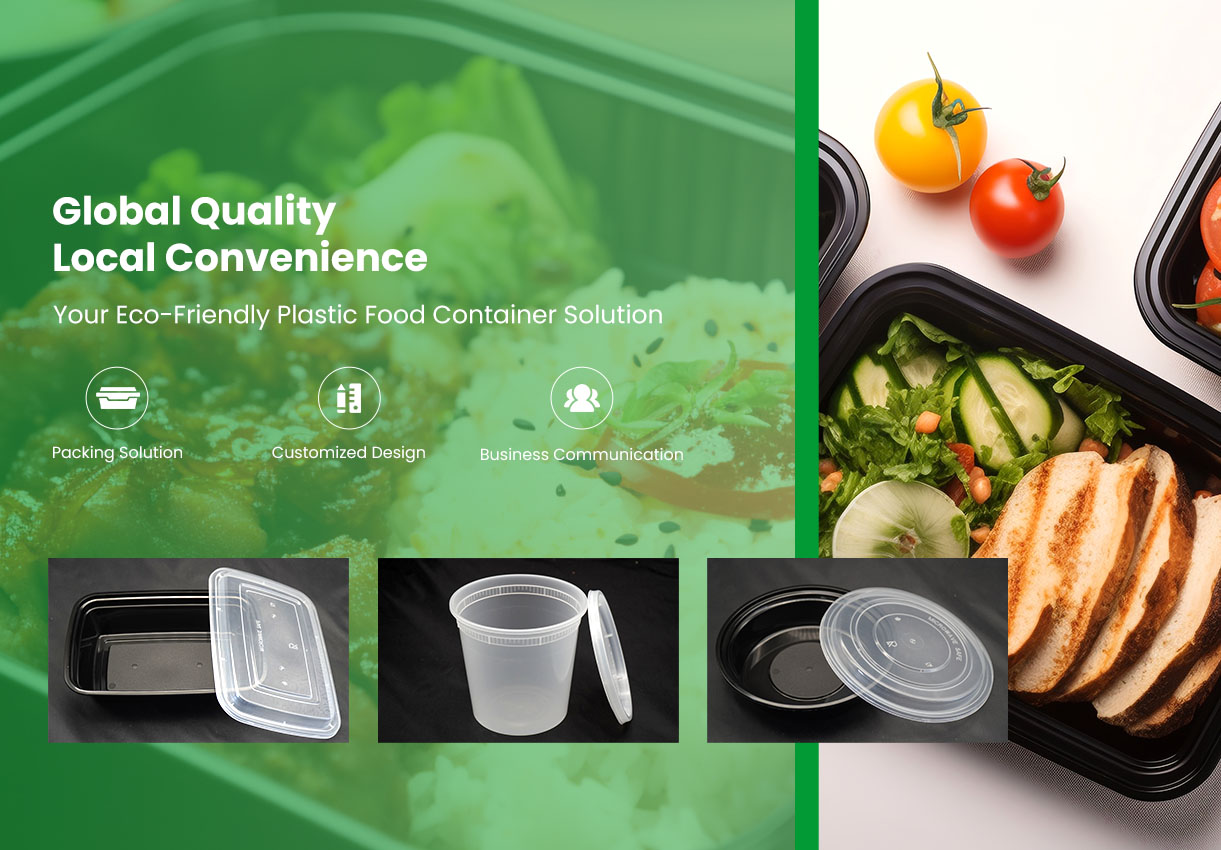
food storage containers are essential tools in modern life, providing safe and convenient ways to store, transport, and preserve food. Among various types, plastic disposable food containers stand out for their practicality, lightweight design, and cost-effectiveness, making them widely used across households, restaurants, and food delivery industries.
Plastic disposable food containers are made from materials such as polypropylene (PP), polyethylene terephthalate (PET), or polystyrene (PS), each offering unique benefits in temperature resistance, transparency, and durability. These containers are designed for single use, ensuring hygiene and minimizing the risk of cross-contamination. They come in different shapes and sizes, from round soup bowls to rectangular lunch boxes, catering to different types of meals and storage needs.
Their popularity has grown due to the expansion of takeaway services and the increasing demand for convenient meal packaging. The smooth surface and transparent or semi-transparent appearance provide clear visibility of the food inside, which is particularly appealing for commercial presentation and quick identification during storage.
Plastic containers weigh significantly less than glass or metal alternatives. A 500ml PP lunch box typically weighs under 20 grams, yet maintains structural integrity even when filled with hot or oily food. This combination of strength and portability makes them ideal for takeout and catering use.
High-quality PP containers can withstand temperatures from -20°C to 120°C, making them suitable for both freezing and microwave heating. pet containers, on the other hand, are best for cold foods or refrigerated items due to their crystal-clear transparency and stability at lower temperatures.
Most disposable containers feature snap-on lids or heat-sealed film covers that prevent leakage during transport. The airtight design keeps sauces, soups, and liquids safely contained, reducing spillage and maintaining food freshness for longer durations.
Manufactured under strict standards, these containers meet FDA and EU food contact regulations. The smooth inner surface prevents food residue buildup and minimizes bacterial growth, ensuring a hygienic food storage solution for consumers and businesses alike.
Plastic food containers are engineered with stackable designs, allowing easy storage in compact spaces. Restaurants and delivery services benefit from reduced storage volume, while consumers can organize refrigerators neatly without wasted space.
Plastic disposable food containers have revolutionized both domestic kitchens and commercial food services. In households, they simplify meal preparation and storage—perfect for portion control and leftover management. For restaurants and food vendors, these containers enhance operational efficiency by streamlining packaging and reducing washing labor.
They are also an economical choice. Compared to reusable materials, disposable containers eliminate the need for cleaning, maintenance, and logistics of returnable packaging. This translates to lower overall costs and faster service turnaround, especially in fast-paced takeaway operations.
| Material | Heat Resistance | Transparency | Microwave Safe | Common Use |
|---|---|---|---|---|
| PP (Polypropylene) | -20°C to 120°C | Semi-transparent | Yes | Hot food, soups, rice |
| PET (Polyethylene Terephthalate) | -40°C to 60°C | High transparency | No | Cold food, salads, drinks |
| PS (Polystyrene) | 0°C to 80°C | Clear | No | Snacks, desserts, dry food |
This table highlights how each plastic type serves different functions based on food temperature and handling conditions, helping users choose the right container for specific applications.
The booming food delivery market relies heavily on disposable containers for packaging hot meals, soups, and beverages. Their heat tolerance and leakproof design make them ideal for long-distance transport without affecting food quality.
In catering services, disposable plastic boxes ensure quick setup and cleanup. They maintain portion consistency and hygiene at large-scale gatherings, weddings, or outdoor events, where reusable ware may not be practical.
Retailers use plastic containers for pre-packed salads, pasta, desserts, and fruits. Their clear structure allows customers to inspect the freshness of food instantly, enhancing purchasing confidence.
Home users rely on plastic storage containers for meal prep and leftovers. Their airtight lids preserve taste and texture, while microwavable PP boxes allow direct reheating without transferring food to another dish.
While traditional disposable containers raise concerns about environmental impact, advancements in biodegradable and recyclable plastics are transforming the market. Many manufacturers are now producing eco-friendly PP and PET containers that can be recycled into new packaging materials. Some regions also encourage the use of compostable alternatives made from cornstarch-based polymers or paper-plastic hybrids.
Future innovations aim to balance convenience with sustainability by enhancing recyclability, reducing material weight, and integrating smart labeling for waste sorting.
A food storage container, especially a plastic disposable one, is more than just a packaging item—it represents a critical part of the global food supply chain. Its role in maintaining hygiene, ensuring safety, and enabling mobility has made it indispensable in both household and commercial settings. As technology evolves, the next generation of disposable food containers will continue to combine functionality, affordability, and environmental responsibility, meeting modern consumers’ expectations for convenience and sustainability.