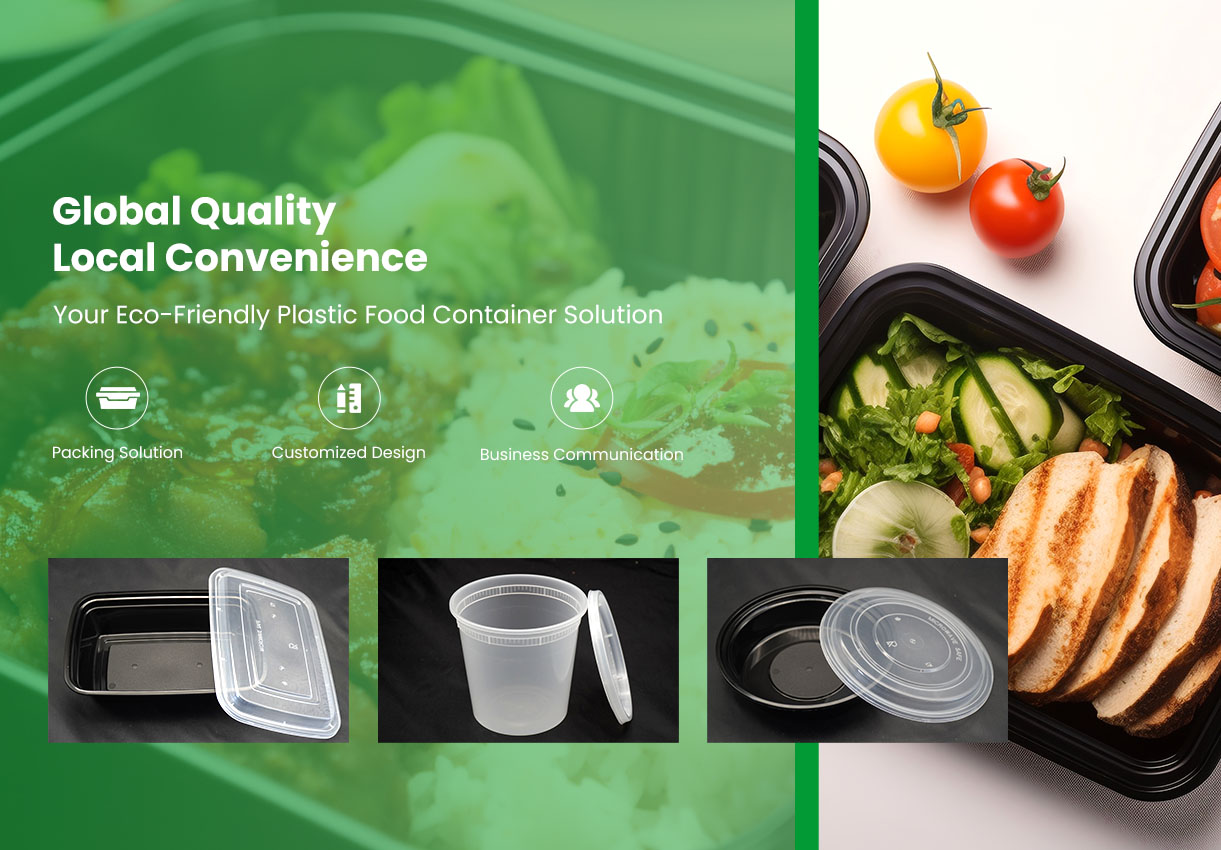
Proper storage of disposable to go boxes is essential for maintaining hygiene, ensuring structural integrity, and keeping your inventory organized. Whether you manage a restaurant, catering business, or takeaway service, how you store these boxes affects both operational efficiency and food safety.
Disposable to go boxes are often made from materials such as paperboard, plastic, or biodegradable fibers. Each type can be affected by temperature, humidity, or compression if stored improperly. Storing them in a controlled environment prevents deformation, contamination, and waste due to moisture or pests. Organized storage also saves space and allows quick access during busy hours.
Humidity is one of the biggest threats to disposable packaging. Moisture can weaken paper-based containers and cause plastic boxes to stick together. Always store to go boxes in a dry room with humidity below 60%. Use shelves or pallets to keep cartons off the ground, ensuring air circulation underneath. Clean the area frequently to remove dust or food particles that could attract insects or mold.
For environments with fluctuating humidity, consider using a dehumidifier. Regular inspections help detect any early signs of moisture damage, such as softening or warping of boxes.
Temperature stability plays a major role in keeping disposable boxes in usable condition. Excessive heat can deform plastic containers and weaken biodegradable fibers, while cold, damp environments can cause condensation. Aim to store them in areas between 15°C and 25°C (59°F to 77°F). Avoid placing them near ovens, fryers, or direct sunlight, as long-term heat exposure may lead to shape distortion or discoloration.
Different box materials require separate storage methods. For instance:
| Material Type | Storage Recommendation |
|---|---|
| Paperboard | Store in sealed cartons; avoid stacking too high to prevent bending |
| Plastic | Keep in cool areas; stack evenly to avoid pressure marks |
| Biodegradable (PLA, bagasse) | Store in ventilated rooms; avoid long exposure to sunlight |
Group boxes by size and type to speed up packaging operations. Label shelves or bins clearly, such as “Small 500ml,” “Medium 750ml,” or “Large 1000ml,” so staff can quickly find what they need without mixing different categories.
To prevent older stock from becoming brittle or discolored, always follow the FIFO system. When new boxes arrive, place them behind the older stock. This ensures the earliest purchases are used first, reducing waste caused by long-term storage. Keep track of delivery dates on cartons for easy rotation.
Food packaging must be stored away from chemicals, detergents, or any materials that may emit odors or harmful vapors. Disposable boxes, especially paper ones, can absorb smells or residues that could later affect the food they hold. Create a designated storage zone for packaging materials separate from food ingredients, cleaning agents, or trash areas.
Sealing cartons or using plastic wrapping can further protect unused boxes from dust, oil, or kitchen grease.
Stacking boxes too high can compress lower layers and cause them to lose shape. Each manufacturer usually indicates a maximum stacking height on the carton—typically around 1.5 m to 2 m. Use shelving or pallet racks to distribute weight evenly. Ensure that stacks are stable and do not lean to avoid accidents or damage during retrieval.
Schedule periodic inventory checks to assess the condition of stored boxes. Look for any warped, dirty, or damaged units and remove them immediately. Keeping accurate records helps manage reordering cycles efficiently and prevents overstocking. Conduct monthly audits to confirm compliance with hygiene standards.
Plastic bins, airtight containers, and pallet covers can make storage safer and more efficient. For large-scale operations, consider modular shelving systems with adjustable dividers to fit various box sizes. Using transparent containers allows quick visual checks without opening each package.
Effective storage of disposable to go boxes ensures they remain clean, functional, and ready for quick use. By maintaining proper humidity and temperature levels, organizing by size and material, applying FIFO principles, and protecting against contamination, you can reduce waste and keep your packaging operations running smoothly. These practices not only extend the shelf life of your packaging materials but also support consistent product quality and customer satisfaction.