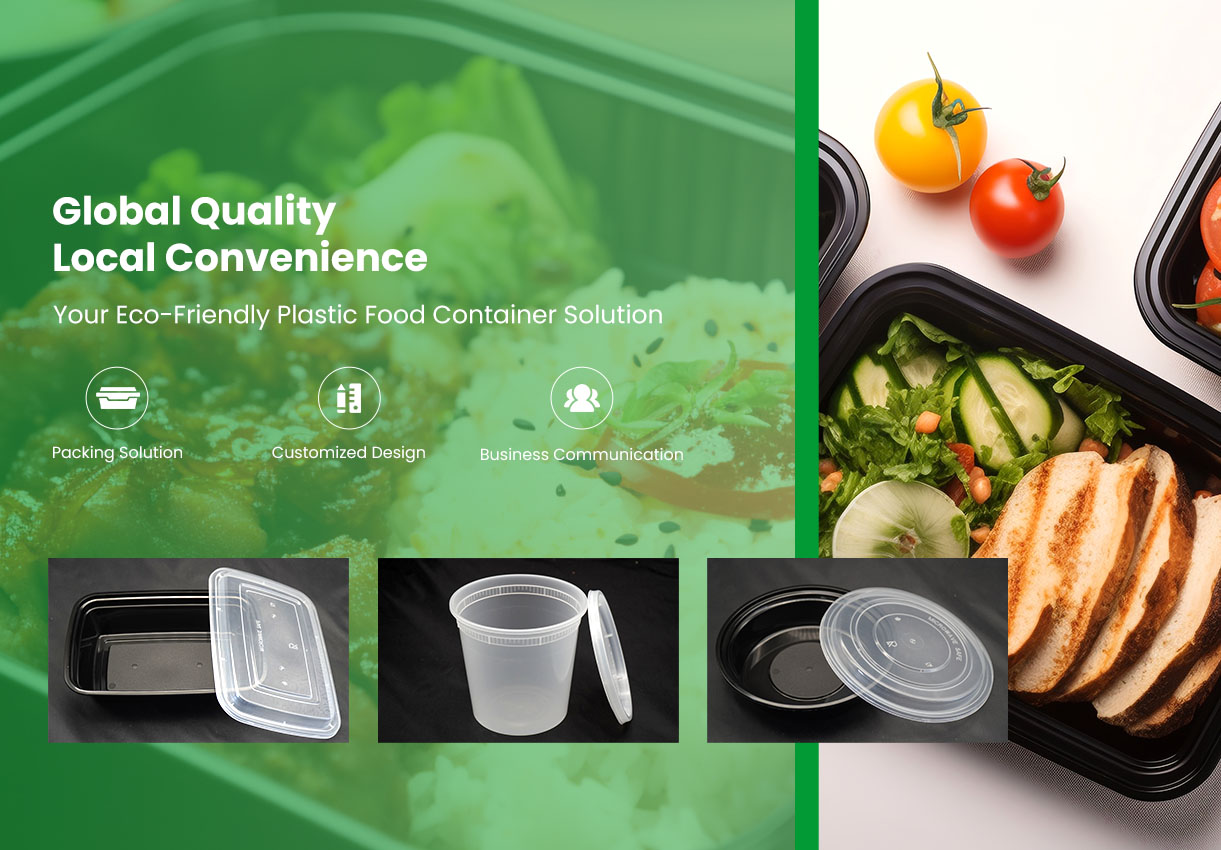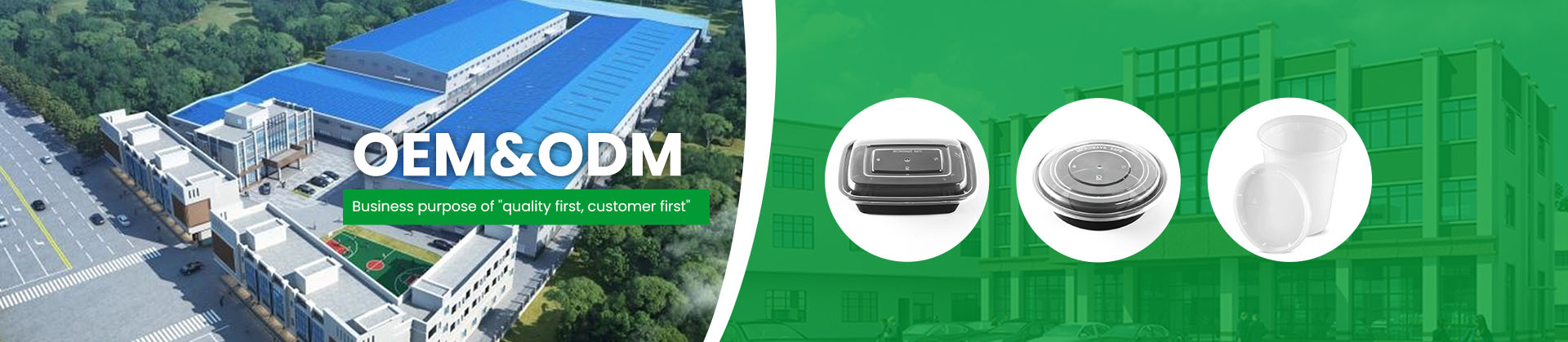
Plastic takeaway containers are widely used by restaurants, food trucks, and delivery services because they are lightweight, durable, and cost-effective. As awareness of environmental impact grows, many consumers and businesses ask whether these containers can be recycled. This article provides a clear, structured overview of the recyclability of plastic food containers and what factors influence recycling outcomes.
Not all plastics are the same. Recycling depends on the type of plastic resin used in the container. Most plastic containers are marked with a resin identification code, usually found on the bottom of the product. These codes range from 1 to 7 and help recycling facilities sort materials correctly.
| Resin Code | Common Name | Recyclability in Most Programs |
|---|---|---|
| 1 | PET (Polyethylene Terephthalate) | Widely accepted |
| 2 | HDPE (High-Density Polyethylene) | Widely accepted |
| 3 | PVC (Polyvinyl Chloride) | Rarely accepted |
| 4 | LDPE (Low-Density Polyethylene) | Sometimes accepted |
| 5 | PP (Polypropylene) | Increasingly accepted |
| 6 | PS (Polystyrene) | Limited acceptance |
| 7 | Other (Mixed/Unknown) | Not typically accepted |
Containers made from PET (#1) and HDPE (#2) are most commonly recyclable. Polypropylene (#5) is becoming more accepted as recycling systems improve. However, containers made from polystyrene (#6) or mixed plastics (#7) often face limited recycling options.
Food residue is one of the biggest barriers to recycling plastic containers. Grease, sauces, and leftover food can contaminate recycling batches, making entire loads unsuitable for processing. To improve recycling rates:
Rinse containers before placing them in recycling bins.
Remove any non-plastic components like lids made from different materials.
Separate materials when possible.
Recycling capabilities vary by location. Municipal programs differ in the types of plastics they accept. Some communities accept a wide range of plastics, while others accept only a limited subset. Before recycling plastic containers, check local guidelines to know what is accepted.
Some containers have added features to improve performance, such as:
Insulating layers
Heat-resistant coatings
Composite structures (plastic combined with paper or aluminum)
These additives can interfere with recycling processes and may require specialized facilities. Containers with mixed materials often cannot be processed through standard municipal recycling.
Once plastic containers reach a recycling facility, they go through several steps:
Collection and Delivery – Containers are collected from residential or commercial recycling bins.
Sorting – Machines and workers separate plastics by resin type and remove contaminants.
Cleaning – Containers are washed to remove food particles and labels.
Shredding – Plastics are shredded into small flakes.
Melting and Pelletizing – Flakes are melted and formed into pellets that can be reused in manufacturing.
Only plastics that successfully pass through these stages are fully recycled into new products.
Not all plastic containers are treated equally. Acceptance depends on local recycling infrastructure and the resin type of the container. Some containers that appear recyclable may still be rejected by local facilities.
Failing to rinse plastic containers can lead to contamination. Recycling centers often reject loads with high levels of food waste, which undermines the entire recycling effort.
While recycling reduces landfill waste and conserves resources, it is only part of a broader solution. Reducing overall plastic use, reusing containers when possible, and choosing compostable or biodegradable alternatives contribute to more sustainable waste management.
Check Local Guidelines: Refer to official recycling rules to confirm which plastic codes are accepted.
Clean Thoroughly: Remove food waste and rinse containers before recycling.
Separate Materials: Remove paper labels, foil seals, or non-plastic components when possible.
Opt for Reusable Containers: When feasible, choose durable, reusable containers to minimize waste.
Support Compostable Alternatives: For single-use needs, consider certified compostable containers where composting facilities are available.
Businesses that generate large volumes of plastic containers can improve recycling outcomes by:
Partnering with waste management services that offer advanced sorting and processing.
Training staff to properly clean and sort containers.
Reducing packaging materials through design innovation.
Transitioning to materials that have higher recycling acceptance rates.
Plastic takeaway containers can be recyclable, but success depends on several factors including the resin type, local recycling capabilities, and contamination levels. While widely recycled plastics such as PET and HDPE offer good recycling potential, other plastics face limitations. Consumers and businesses can help by cleaning containers, understanding local rules, and exploring reusable alternatives. Effective recycling contributes to waste reduction and supports resource conservation, but it must be complemented by reduction and reuse strategies to create meaningful environmental impact.