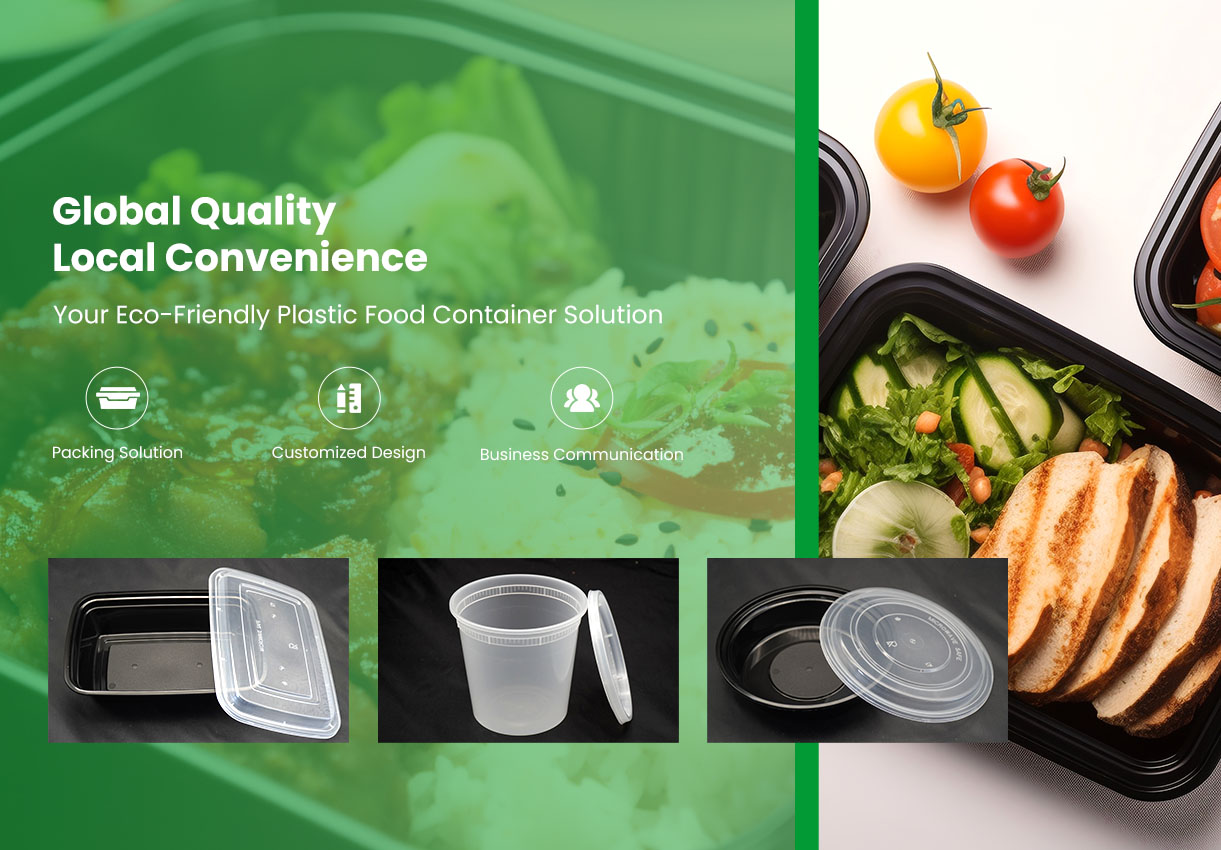
Understanding the storage capacity of a soup container is essential for food businesses, home kitchens, and anyone who needs reliable packaging for hot or liquid-based meals. Capacity affects portion control, transportation stability, and overall user experience. Modern soup containers are engineered with precise volume standards, insulation properties, and structural strength, allowing them to perform consistently in both commercial and household settings.
Soup containers are produced in multiple sizes to match different serving needs. The most widely used capacities range from small single-portion cups to large containers suitable for bulk storage. These options allow users to choose packaging that aligns with meal sizes, menu types, or retail requirements.
Below is a table summarizing the most common capacities:
| Capacity | Typical Use Case | Notes |
|---|---|---|
| 8 oz | Small servings | Suitable for side soups or sauces |
| 12 oz | Standard portion | Ideal for takeaway lunches |
| 16 oz | Large portion | Works well for hearty or noodle-based soups |
| 24 oz | Extra large | Common in family meals or meal prep |
| 32 oz | Bulk storage | Used for commercial distribution or refrigerated storage |
These capacities are designed to maintain structural strength while ensuring the container remains easy to carry and resistant to heat.
The capacity of a soup container directly impacts how consumers interact with the product. A properly sized container prevents spills, keeps the soup at an optimal temperature, and ensures the portion size meets expectations. Smaller containers provide tight control for sauces or lighter soups, while larger versions are valued for take-home meals and batch cooking.
A well-balanced design also helps prevent deformation when holding hot liquids. High-capacity containers often integrate thicker walls or reinforced rims to maintain rigidity during transport. Such features are especially appreciated in high-traffic food service operations where durability and consistency matter.
The material used in a soup container determines how well it can support various volumes. Paper, plastic, and compostable materials all have different thresholds for heat tolerance and structural load.
Paper containers with PE or PLA linings are commonly used for volumes up to 32 oz. Their insulation properties help retain heat while maintaining a lightweight form.
Plastic-based containers can support larger capacities without bending or leaking. Their high melting point makes them suitable for reheating and storing broth-heavy meals.
These offer moderate capacity support with improved sustainability. They typically range from 8 oz to 24 oz and are suitable for eco-conscious food programs.
Containers designed by experienced manufacturers use material engineering to ensure the stated capacity performs as expected in real-world use.
Several factors influence how much a soup container can store beyond its label capacity:
Most containers are engineered with a safe fill line below the rim. This prevents overflow and helps maintain lid stability.
Thicker soups exert different pressure on the container walls compared to broth-based liquids, influencing maximum usable volume.
A secure lid expands storage potential by allowing the container to be transported without spills. Snap-fit lids typically offer better sealing performance.
Hot soups can cause minor material expansion. Containers with higher heat tolerance retain their structure better at full capacity.
Containers used for delivery may require extra headspace for movement, while dine-in or refrigerated storage allows for fuller filling.
A well-designed soup container strikes a balance between volume, safety, and convenience.
Selecting the correct container size helps businesses control costs, reduce waste, and improve serving consistency.
Most restaurants choose 12 oz and 16 oz containers because they match standard meal portions. These sizes ensure predictable cost control while delivering customer satisfaction.
Larger capacities such as 24 oz or 32 oz allow families or meal prep users to store multiple servings in one container. Their durability and sealing ability reduce the risk of leakage during refrigeration or transport.
Bulk packaging often requires larger containers that accommodate freezing, reheating, and long-distance transport. The container must maintain rigidity and barrier performance across temperature changes.
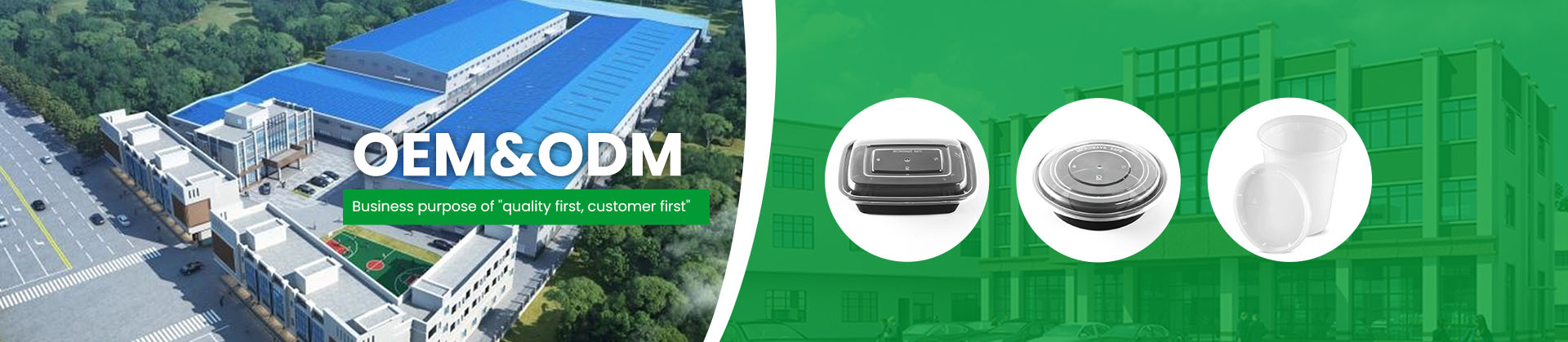
LVHUI offers a wide range of food-grade containers suitable for soup, sauces, and hot meals. Their products are designed with stable structure, reliable sealing, and consistent volume accuracy, making them a dependable choice for restaurants, food manufacturers, and distributors looking for high-quality packaging solutions.
Soup containers come in capacities ranging from 8 oz to 32 oz, with each size serving specific purposes in food service and storage. The ideal capacity depends on portion requirements, material preferences, and the handling environment. By understanding how capacity influences function and durability, users can select containers that best support their operations.