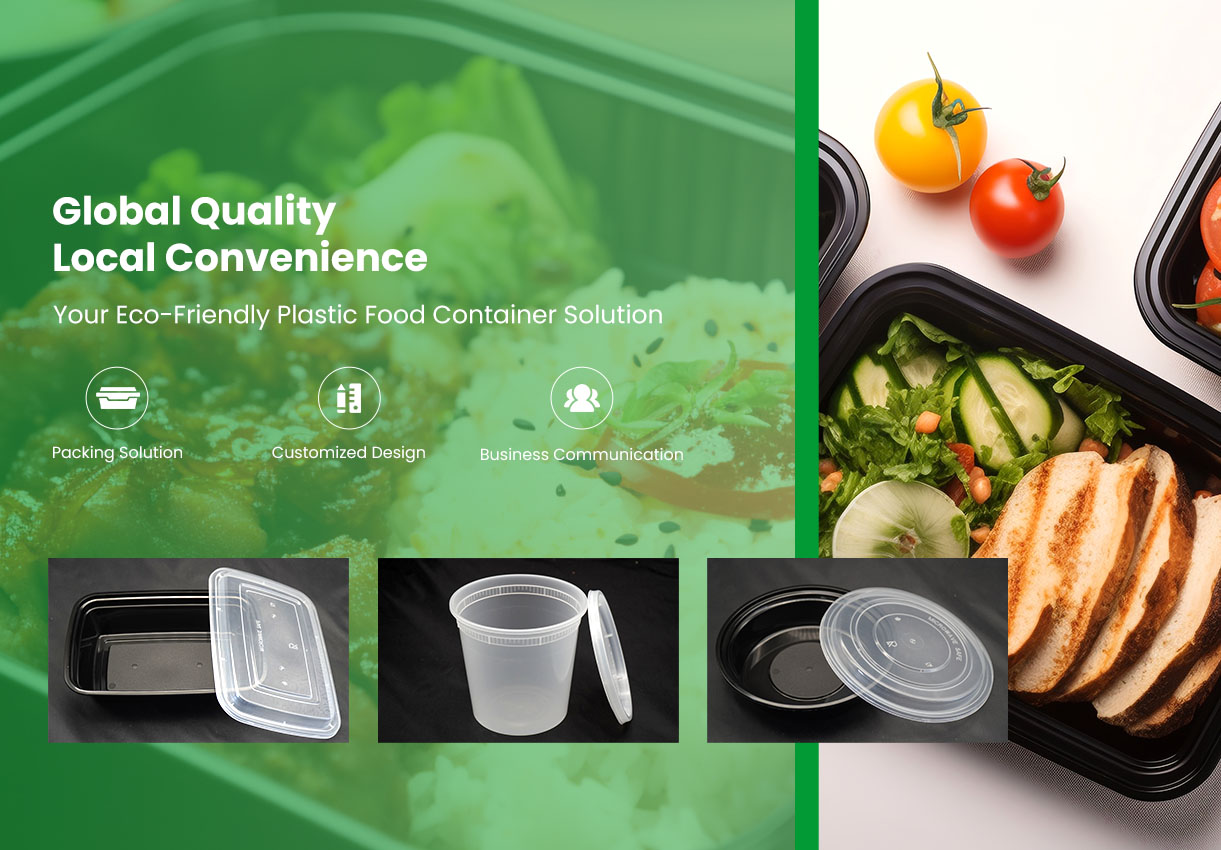
Reusing takeaway containers has become a common practice as more consumers look for ways to reduce waste and extend the life of packaging already in their homes. These containers come in many materials, including plastic, aluminum, and paper-based composites, and each responds differently to repeated use. Understanding how to reuse them safely helps reduce environmental impact while maintaining proper hygiene for food storage.
Not all takeaway containers are designed for repeated use. Many are intended for a single serving and may degrade quickly when exposed to heat, oils, microwave energy, or dishwashing cycles. Thin plastics can warp, crack, or release chemicals when reheated. Aluminum containers may bend out of shape over time, and coated paper containers may absorb moisture and become weak.
Consumers should inspect containers before reuse, checking for discoloration, surface damage, or odors that suggest material breakdown. A container in good structural condition, free from scratches and stains, is generally safer for dry or cold food storage than for reheating.
Different materials vary significantly in durability. The table below summarizes common takeaway container materials and their reuse potential for cold storage, reheating, and long-term use.
| Material Type | Durability | Microwave Suitability | Ideal Reuse Scenarios |
|---|---|---|---|
| PP Plastic (5) | High | Usually safe | Leftovers, dry foods, refrigerator |
| PET Plastic (1) | Low | Not recommended | Single cold reuse |
| Aluminum | Medium | Not microwave-safe | Oven reheating, baked foods |
| Paperboard | Low | Not recommended | Short-term dry storage |
pp containers are generally the most reliable for multiple uses because of their stability under heat. PET, often used for salad boxes and clear lids, is prone to deformation and should not be used with hot foods repeatedly.
Takeaway containers can harbor food residue in corners or textured surfaces. Thorough cleaning is essential for safe reuse. Warm water and mild detergent are usually sufficient for plastics, though containers with grease residue may require extra soaking. Aluminum containers should be hand-washed to maintain shape. Paper-based containers should not be washed, as the material weakens after contact with water.
Odor build-up is another common issue. Placing a small amount of baking soda inside after cleaning and letting it sit overnight can help maintain freshness. Any persistent smell indicates the material is no longer suitable for storing food.
Reusing takeaway containers reduces the immediate demand for new packaging and helps minimize household waste. Even reusing a container several times can lower the carbon footprint associated with producing new plastic or aluminum products. Long-term environmental impact improves when consumers follow a simple cycle: reuse when safe, repurpose for non-food storage when no longer suitable, and recycle when possible.
Businesses that focus on sustainable packaging, such as LVHUI, are helping drive the transition toward safer and more durable food-service containers. Their emphasis on high-quality materials supports both commercial users and consumers who wish to reuse packaging responsibly.
Many containers can serve secondary purposes in the home. plastic containers work for organizing small items, craft supplies, or office materials. Aluminum trays can be used for seedlings in gardening or for collecting small hardware during home projects. Paper containers may function as temporary organizers for lightweight items.
By finding creative uses beyond food storage, consumers extend the life of packaging and reduce reliance on disposable household products.
Takeaway containers can be reused safely under the right conditions, though not all materials are suitable for repeated heating or long-term food storage. Inspecting the material type, maintaining proper cleaning routines, and repurposing containers thoughtfully help maximize their value. As sustainable packaging continues to grow, companies such as LVHUI offer improved options that support environmental goals without compromising performance.