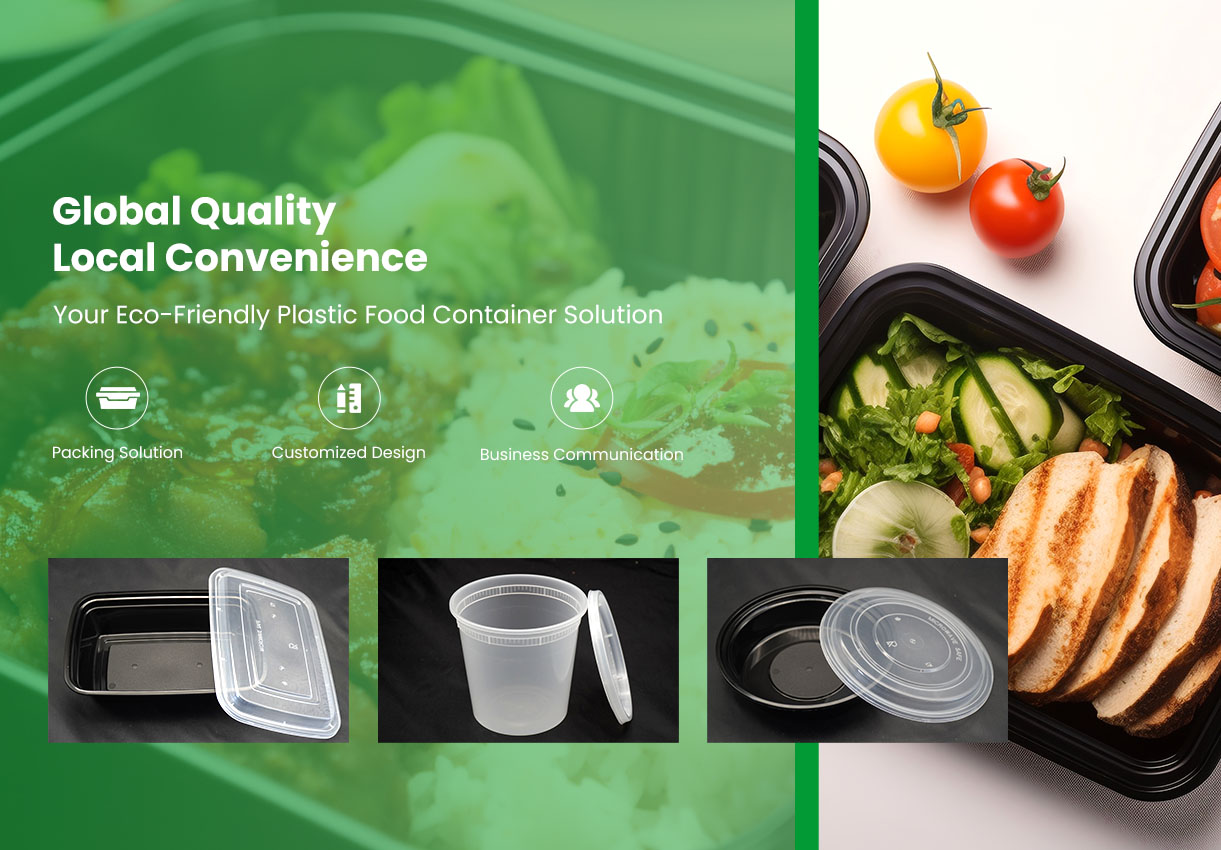
Storing food in plastic containers is common in homes, commercial kitchens, and food-service operations. Modern plastics are designed with specific grades, safety certifications, and performance properties that determine how suitable they are for direct food contact. Understanding these characteristics helps users make informed decisions that protect food quality, hygiene, and long-term health. This article examines the safety considerations of using plastic containers for food storage, how different materials influence performance, and what users should look for when selecting reliable food-grade options.
Food-grade plastics are manufactured to meet strict standards for purity, stability, and chemical resistance. Their primary purpose is to hold food without transferring harmful substances, altering flavor, or compromising freshness. High-density polyethylene, polypropylene, and PET are commonly approved for direct contact and are widely used in containers, lunch boxes, takeaway packaging, and refrigerated storage.
Safety largely depends on how the container reacts under temperature changes and whether it is certified for specific uses such as freezing, reheating, or long-term storage. Containers labeled as food-safe undergo migration testing to ensure substances remain stable during repeated use. When chosen correctly, plastic containers offer hygienic protection against moisture, pests, and contamination.
Temperature, cleaning habits, and the type of food stored all affect how safe a container remains over time. High temperatures may deform non-microwave-safe plastics, leading to potential chemical leaching. Acidic foods may react differently depending on the material grade. Oils and strong spices can cause staining or odor retention, although this does not necessarily indicate unsafe conditions.
Users should check whether a product is designed for refrigeration, freezer use, or microwave heating. Manufacturers often provide symbols indicating appropriate conditions. For long-term storage, choosing thicker, BPA-free plastics with high heat resistance improves safety and durability.
| Material | Typical Use | Advantages | Notes |
|---|---|---|---|
| PP | food storage boxes, microwave-safe containers | Heat-resistant, lightweight, good chemical stability | Suitable for reheating and everyday use |
| PET | Cold beverages, salad boxes | High clarity, good barrier performance | Best for cold storage; not ideal for high heat |
| HDPE | Bulk containers, dairy packaging | Strong, impact-resistant | Suitable for cold and room-temperature foods |
| Tritan-type copolyesters | Premium reusable containers | High transparency, durable | Often used for baby products and premium foodware |
These materials form the foundation of safe food-contact containers, and their stability makes them widely adopted in both household and commercial settings.
Safe usage practices extend the lifespan of plastic containers and maintain food hygiene. Users should avoid heating plastics that are not microwave-approved and discard items that show cracks, warping, or discoloration. Washing with non-abrasive tools prevents surface damage that could harbor bacteria. Storing dry foods, fresh produce, leftovers, and liquids in separate, well-sealed containers also improves preservation and reduces contamination risks.
Another safety measure is rotating containers regularly, especially for reusable items used in high temperatures. Labeling stored food and monitoring shelf life help kitchen operators maintain consistent hygiene standards.
Modern plastic containers are increasingly developed with recyclable materials and lower environmental impact. Many food-grade plastics can be processed through established recycling streams, reducing waste and supporting circular manufacturing. Users who value sustainability can choose durable, reusable containers rather than disposable options, minimizing pollution and long-term landfill accumulation.
Manufacturers have also improved design efficiency by reducing material weight without compromising strength. This contributes to safer handling and lower carbon emissions during transport.
Quality varies significantly between manufacturers. A dependable supplier ensures stable raw materials, clean production environments, and compliance with global food-contact standards. High-quality containers maintain structural integrity, resist heat deformation, and remain odor-free even after repeated washing.
LVHUI provides professionally engineered plastic containers and food-contact solutions designed for safety, durability, and long-term performance. Their materials are selected for high stability and compliance, making them suitable for both consumer and commercial applications.
Food storage in plastic containers is safe when users select certified food-grade materials and apply correct handling practices. The stability of modern plastics, combined with improvements in manufacturing standards, ensures that containers maintain hygiene and structural integrity across a wide range of conditions. By choosing trusted suppliers and appropriate material grades, both households and businesses can rely on plastic containers as a secure and efficient food-storage solution.