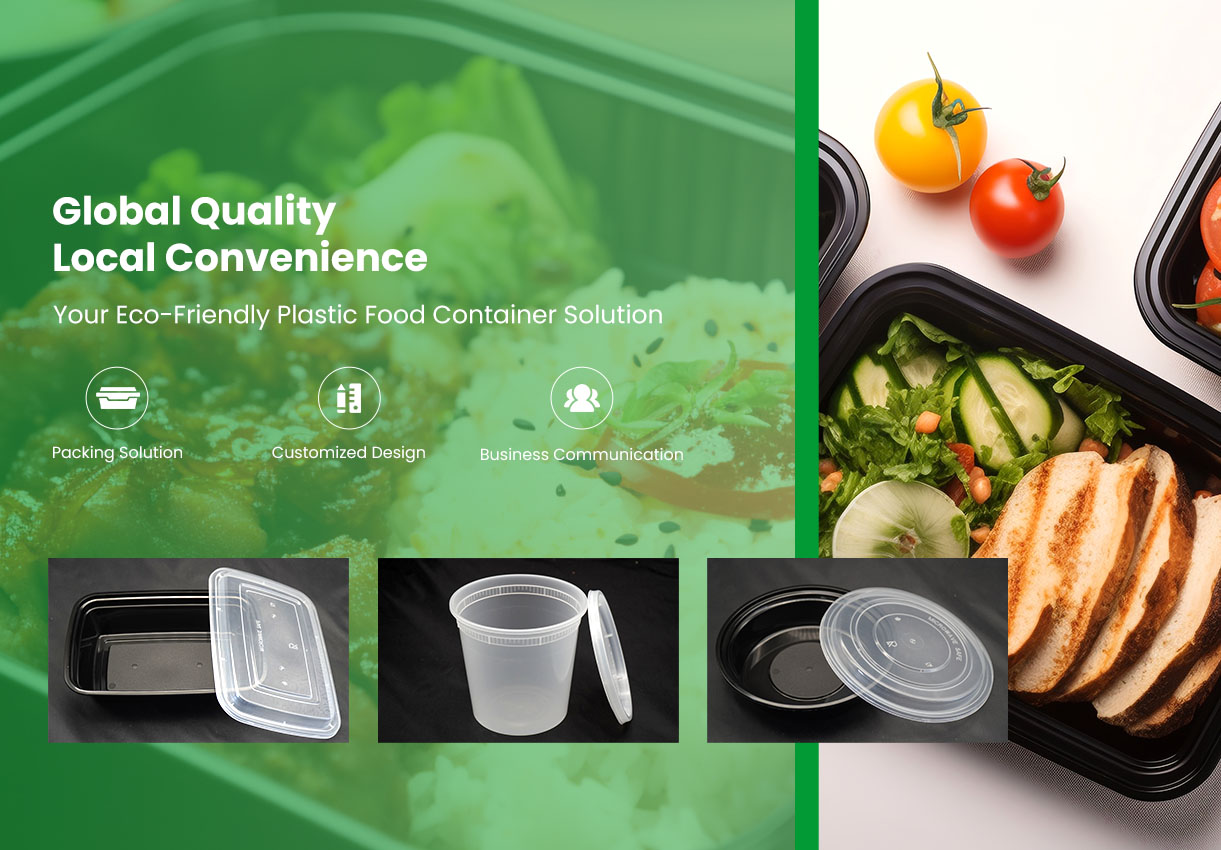
Understanding the materials behind takeaway containers helps businesses, distributors, and environmentally conscious consumers make better choices. Modern food packaging is no longer limited to traditional plastics. Instead, a wide spectrum of materials is used to balance food safety, temperature resistance, sustainability, and cost efficiency. This article explores the main materials used for takeaway containers, how they perform in real food-service conditions, and what buyers should consider when sourcing packaging for commercial use.
Takeaway containers vary widely depending on the type of food they carry, the required insulation, and sustainability goals. Many brands today provide customized solutions to align with different regulatory standards and operational needs.
Plastic remains one of the most widely used materials due to its durability, heat resistance, and affordability. The most common plastics include:
| Material | Properties | Typical Uses |
|---|---|---|
| PP | Heat-resistant, microwave-safe, lightweight | Hot meals, soups, noodles |
| PET | High clarity, recyclable, impact-resistant | Cold salads, beverages |
| PS | Rigid and economical | Dry foods, snacks |
PP is especially favored for hot takeaway dishes because it maintains structural stability under high temperatures, making it suitable for repeated reheating. PET, on the other hand, is preferred for visual appeal since its clarity helps showcase the product.
Paperboard containers have gained traction as a more sustainable option. They are made from thick paper fibers and usually have an internal lining to prevent oil or moisture from seeping through. Many suppliers now use coatings that are compostable or free from harmful chemicals. These containers work well for rice, pasta, and dry-to-moist foods.
Bagasse is a natural by-product of sugarcane processing. It is molded into sturdy food containers that offer excellent heat resistance and biodegradability. This makes it a common choice for cafes, quick-service restaurants, and eco-focused brands.
Bagasse performs well with hot foods because it resists deformation, unlike some paper-based alternatives. It is also compostable under industrial composting conditions, helping businesses reduce waste impact.
Aluminum containers are popular for oven-ready meals and high-temperature applications. They are lightweight, recyclable, and able to withstand extreme heat. Although not ideal for microwave use, aluminum trays remain a staple in catering and meal-prep operations.
Foam containers, often made of expanded polystyrene, provide strong insulation properties. They keep food warm for extended periods but have faced increasing regulatory restrictions due to environmental concerns. Many regions are reducing or banning foam usage, encouraging brands to shift toward more sustainable materials.
Selecting the correct material requires understanding how the container will be used, the temperatures it must handle, and the sustainability expectations of the market.
For businesses handling high volumes of hot meals, PP or bagasse containers are suitable due to their heat resistance. Cold beverages or salads often rely on PET for both clarity and structural integrity. Aluminum is preferred for oven or grill applications. Paperboard is versatile for mid-temperature meals with moderate moisture levels.
A simple comparison helps illustrate the performance differences:
| Usage Scenario | Material Recommendation | Key Advantages |
|---|---|---|
| Hot meals | PP, Bagasse | Heat resistance, structural durability |
| Cold foods | PET | High clarity, recyclability |
| Oven dishes | Aluminum | Extreme heat tolerance |
| Eco-focused packaging | Bagasse, Paperboard | Renewable materials, compostability |
Sustainability plays an increasingly important role when sourcing takeaway packaging. Many food-service operators now prioritize renewable, compostable, or recyclable materials. Bagasse and paperboard offer strong advantages for eco-conscious markets, while PET and aluminum are widely recyclable in established waste systems.
Businesses also consider energy consumption, lifecycle impact, and disposal options. Working with suppliers that provide certified, compliant materials helps ensure that packaging meets international environmental standards.
For companies looking for reliable and environmentally responsible takeaway containers, LVHUI offers a comprehensive range of packaging solutions. The brand delivers materials engineered for performance, safety, and sustainability. Their products cover multiple categories, including PP, PET, paper-based, and biodegradable options, giving global distributors and food-service operators flexible sourcing choices aligned with market trends.
Takeaway containers are made from a diverse set of materials designed to meet the needs of modern food service, from high-heat applications to sustainability requirements. Plastics such as PP and PET remain essential for durability and clarity, while paperboard and bagasse continue to rise in popularity due to environmental benefits. Aluminum and foam also play specific roles depending on operational demands. By understanding the strengths of each material and choosing suppliers committed to quality—such as LVHUI—businesses can improve both performance and compliance in their packaging systems.