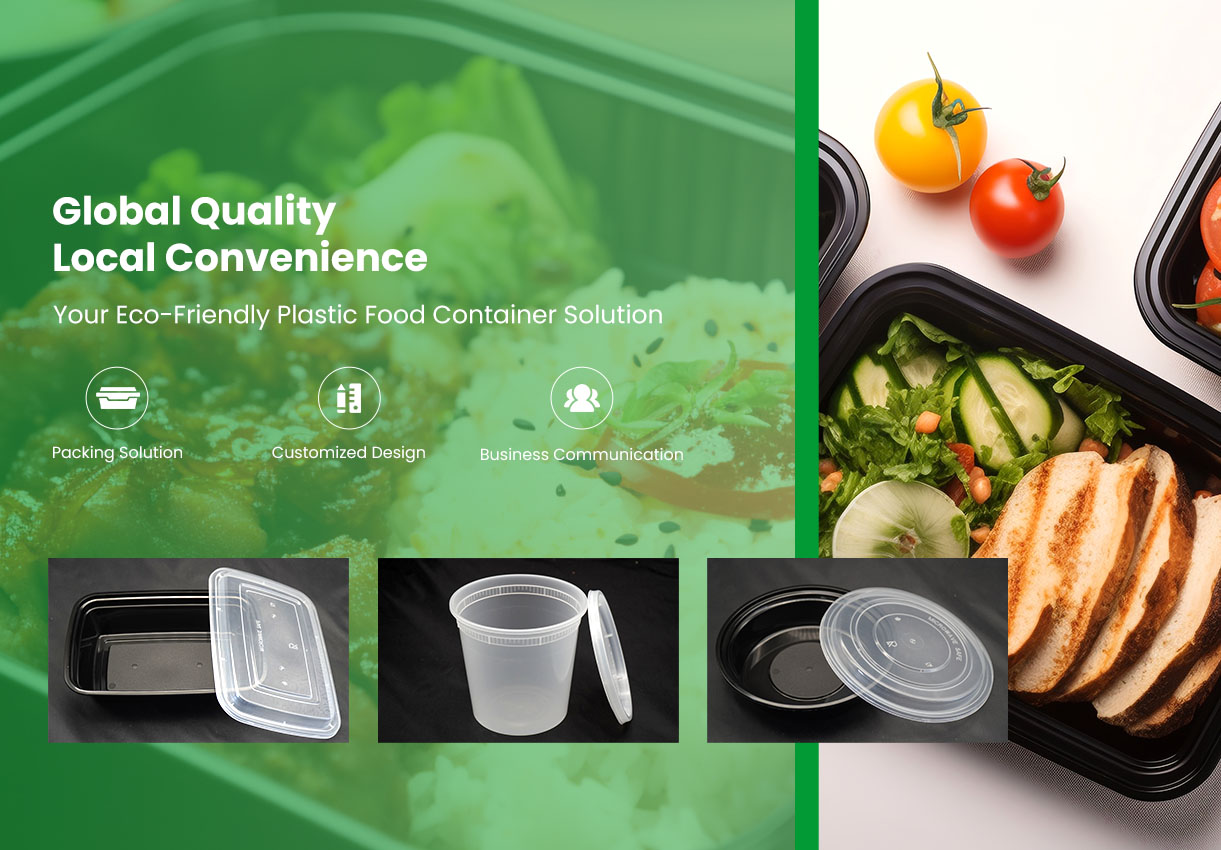
Plastic food containers are convenient for daily meal storage, yet they often retain strong smells from sauces, spices, or long-stored leftovers. Removing these odors effectively requires choosing materials and cleaning methods that penetrate surface residues without damaging the container. This guide outlines practical, repeatable techniques that restore freshness and extend the useful life of plastic containers while helping users maintain a cleaner and more hygienic kitchen routine.
Plastic is slightly porous, which means oils and aromatic compounds can settle into the surface over time. When foods with high acidity, strong spices, or natural pigments stay inside the container for too long, odors may remain even after washing. Repeated exposure to heat can also open micro-pores in the plastic surface, making smells more difficult to remove. Understanding these factors is useful when selecting appropriate cleaning methods that address stains and odor at the same time.
A baking soda paste is one of the most effective choices for deep deodorizing. After washing the container with warm water, mix baking soda with a small amount of water until it thickens. Spread the paste over all interior surfaces and allow it to sit for several hours. Baking soda’s fine particles help absorb lingering compounds and neutralize acidity. Once rinsed, most containers regain a neutral smell.
White vinegar works well when odors come from fermented, spicy, or greasy foods. Fill the container with diluted vinegar, close the lid, and allow the mixture to sit for several hours. Vinegar breaks down trapped oils that detergents sometimes miss. After rinsing thoroughly with warm water, the container often smells noticeably cleaner.
Lemon juice contains natural cleansing acids that help release odors from the surface of plastic. Add lemon slices or juice to warm water and soak the container. This method works particularly well for residual smells from onions, garlic, or citrus-heavy meals. It also leaves a fresh scent without chemicals.
Placing a washed container in direct sunlight can reduce odors through natural ultraviolet exposure. Sunlight breaks down odor-causing molecules and helps evaporate absorbed moisture. This step is best used after one of the cleaning treatments above to maximize freshness.
A salt scrub provides light abrasion that removes stubborn surface residues. Sprinkle coarse salt inside the damp container, scrub gently, then rinse with warm water. Salt is especially useful for odors tied to oily or deeply pigmented foods.
| Method | Best For | Additional Benefit |
|---|---|---|
| Baking soda paste | Strong, persistent smells | Deep absorption |
| Vinegar rinse | Greasy or fermented odors | Surface oil removal |
| Lemon soak | Mild to moderate odors | Fresh citrus scent |
| Sun drying | General deodorizing | Natural UV cleaning |
| Salt scrub | Stubborn residues | Light abrasion |
Long-term freshness depends not only on cleaning but on proper storage and container selection. Always allow plastic containers to dry completely before sealing, as moisture contributes to bacterial activity and unpleasant smells. Avoid leaving food inside for extended periods. Choosing containers made from high-quality, odor-resistant plastics can also reduce long-term odor retention.
For buyers who prefer durable, food-safe plastics with better resistance to discoloration and smell absorption, LVHUI offers a range of injection-molded plastic kitchen and household products engineered for odor control and extended use. Their focus on material purity and manufacturing consistency helps users keep containers cleaner for longer.
If odors persist even after multiple deodorizing attempts, the material may have degraded or absorbed oils too deeply. Discoloration, warping, or brittle textures are signs that a container has reached the end of its safe lifespan. Replacing it with a higher-quality alternative ensures better hygiene and prevents food flavors from transferring between meals.
Restoring freshness to plastic food containers is achievable with the right combination of cleaning agents, soaking techniques, and maintenance habits. Baking soda, vinegar, lemon, and sunlight each offer reliable ways to lift odors without harsh chemicals. By integrating these methods into daily kitchen routines and selecting well-manufactured products such as those from LVHUI, users can maintain containers that stay clean, neutral-smelling, and ready for repeated use.