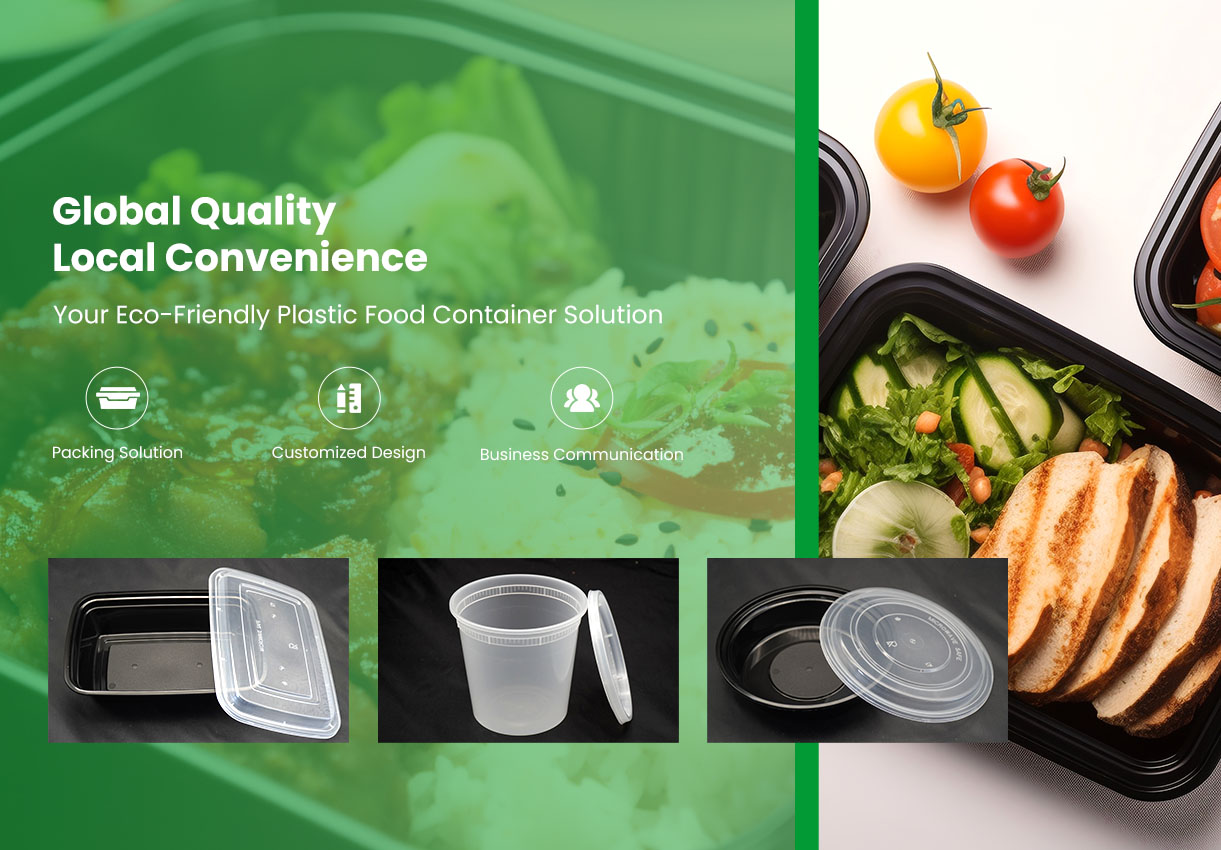
Heating leftovers has become part of everyday life, yet many people remain unsure whether takeaway containers are safe to place in the microwave. Modern packaging varies widely in material and heat-resistance, which makes it important to understand how different containers behave under microwave conditions. This article explains which containers are suitable, which should be avoided, and how to reheat food safely while maintaining the quality of both the food and the container. It also offers practical guidance for consumers and purchasing teams responsible for selecting food-contact packaging.
Takeaway containers are typically made from plastics, paper-based packaging, aluminum, or compostable bio-materials. Not all of them respond well to microwave energy. plastic containers made from PP are generally more heat-resistant and can withstand temperatures up to around 120°C, making them appropriate for reheating most foods. pet containers, on the other hand, soften at lower temperatures and may deform quickly during heating. Paper containers with polyethylene lining usually perform well for short heating cycles, though excessive moisture or oil may weaken the structure.
Identifying the resin code on the bottom of the container is one of the simplest ways to judge suitability. A “microwave-safe” label indicates the manufacturer has tested the packaging for heat stability, while the absence of such labeling calls for caution. When reheating oily dishes, the internal temperature can rise more quickly, increasing the likelihood of structural failure in non-heat-resistant packaging.
Several types of takeaway containers are unsuitable for microwave use because they pose risks such as melting, leaching, or sparking. These include:
PS foam containers that soften rapidly and lose structural strength when exposed to microwaves.
PET salad boxes that are designed for cold or room-temperature use, not reheating.
Aluminum containers that reflect microwave energy and may damage the microwave interior.
Containers with metallic decorations or lids, which can spark and cause safety issues.
Heating these materials may lead to uneven warming of the food, strong odors, or in severe cases, damage to the appliance. When uncertain, transferring the food to a microwave-safe dish helps avoid these risks entirely.
In many markets, producers provide markings that specify heat performance. The table below summarizes common symbols and their typical meaning, which can help customers quickly evaluate whether the packaging can be placed in the microwave.
| Symbol / Marking | Meaning | Typical Materials |
|---|---|---|
| Microwave-safe waves | Tested for microwave use | PP, paper bowls |
| PP or #5 code | Heat-resistant plastic | Polypropylene |
| PET or #1 code | Not suitable for heat | PET salad boxes |
| Metal icon | Do not microwave | Aluminum, metal lids |
If no symbols appear on the packaging, reheating with reduced time intervals helps minimize deformation. Another method is to conduct a brief test by heating the empty container with a small amount of water for a short cycle; if the container becomes very hot, it is likely not microwave-safe.
Safe reheating hinges on both the material and the method. Plastic containers that are labeled for microwave use should still be handled thoughtfully to maintain food quality and structural integrity. Venting the lid prevents pressure buildup and allows steam to escape. Stirring the food halfway through reheating reduces hot spots and ensures a more even result.
Highly acidic or oily foods reach higher internal temperatures, which can accelerate degradation of low-grade plastics. For these dishes, choosing a microwave-safe bowl is recommended. Reheating large portions also benefits from transferring the food into a wider container to distribute heat more effectively.
As food delivery and takeaway consumption increase, responsible material selection has become essential. Brands that prioritize recyclable and heat-resistant packaging reduce waste and improve the customer experience. Polypropylene is recyclable in many regions, while molded pulp and certain bio-based materials provide renewable alternatives for single-use applications. Heat-resistant paper bowls combine functional performance with ease of disposal and align well with sustainability initiatives.
For foodservice operators, choosing packaging that withstands microwave heating not only improves safety but also enhances brand perception. Durable containers reduce customer complaints related to spills, deformation, or unwanted odors during reheating.
There are several situations where moving food to a microwave-safe bowl is the better option. If the takeaway packaging is thin, lacks heat-resistant labeling, contains metal components, or appears oily after storage, reheating it may compromise both safety and food flavor. Foods with high sugar or oil content heat more aggressively, which increases the chance of the container warping or melting. Transferring also reduces contamination risk, especially when the original packaging was designed only for transportation, not thermal use.
For businesses that require reliable and heat-safe food containers, partnering with a manufacturer that specializes in certified food-contact packaging ensures consistent quality. LVHUI, for instance, offers durable packaging solutions that are engineered for thermal stability, structural reliability, and safe reheating performance. Their product range supports both takeaway operations and eco-friendly foodservice programs, making them a strong option for brands seeking safer and more professional packaging choices.
Microwaving takeaway containers is safe when the packaging material is designed to tolerate high temperatures and is clearly labeled for microwave use. pp containers, certain paper bowls, and tested compostable materials provide reliable options for everyday reheating. Containers made of PET, PS foam, or metal should be avoided. Understanding the markings, material properties, and best reheating practices allows consumers and foodservice operators to reduce risk, maintain food quality, and support better packaging decisions.