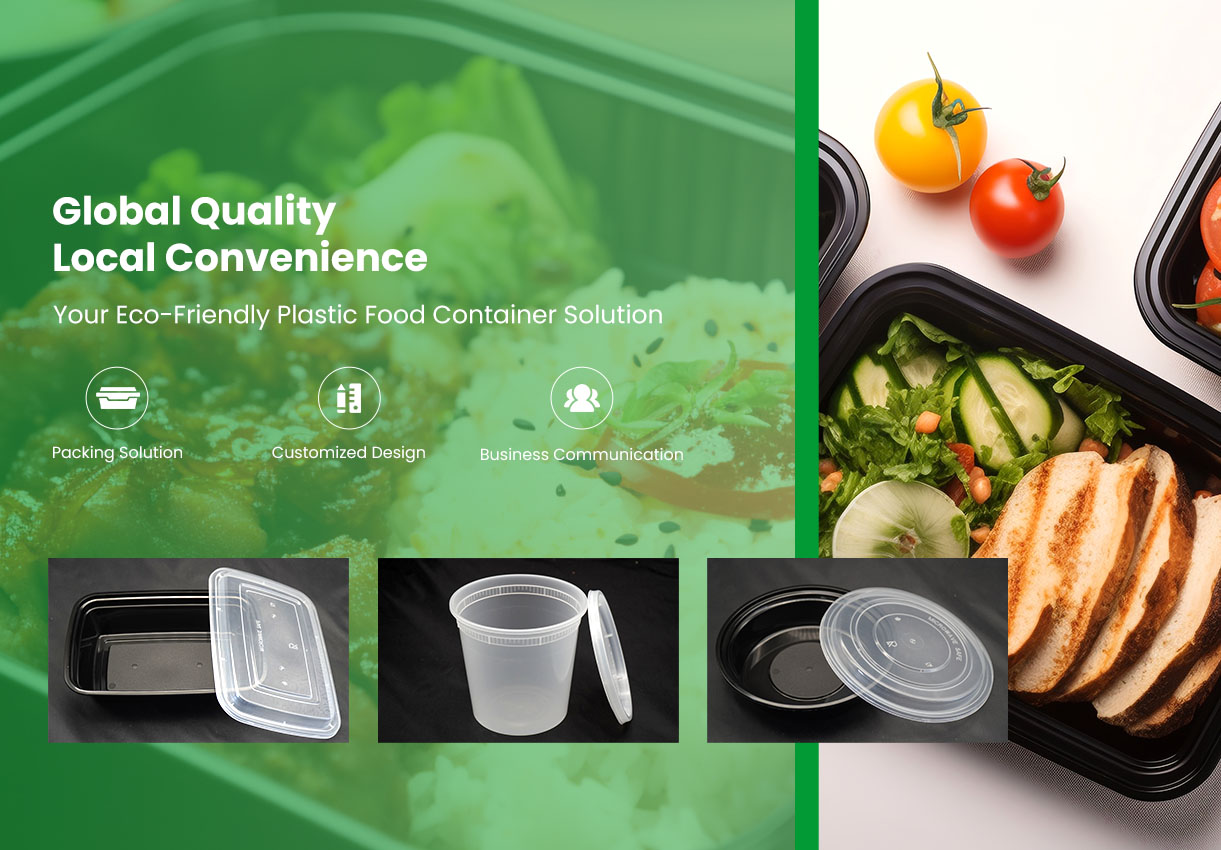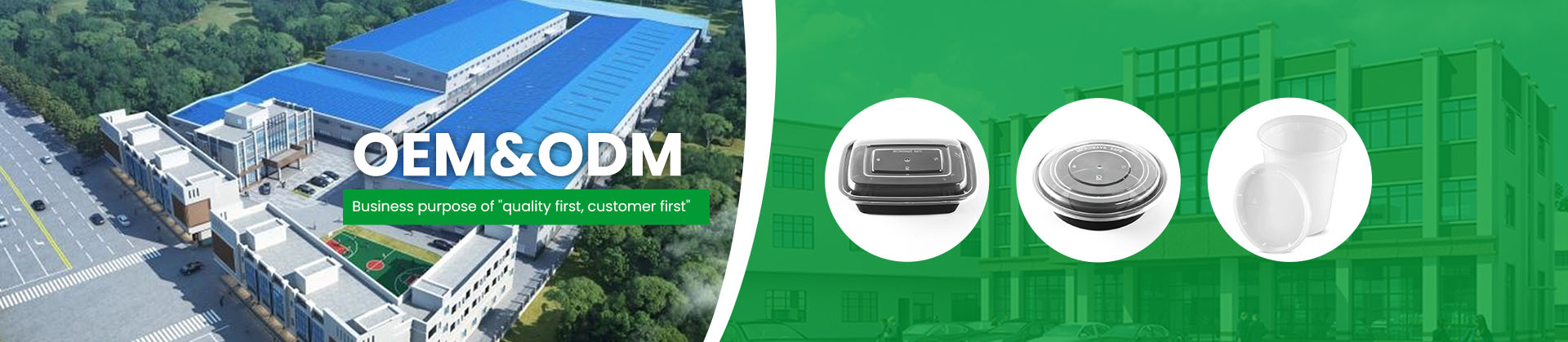
Understanding how long single-use plastic food containers can be stored is essential for catering businesses, meal-prep providers, and food-service operations. These containers play a major role in protecting food quality, maintaining hygiene, and supporting efficient service. Their shelf life is influenced by plastic type, storage environment, and intended use. This article explains the typical shelf life of Disposable Plastic Containers, how to store them properly, and what factors affect their durability. It also offers practical guidance for catering operators looking to maintain consistent quality.
Most single-use plastic food containers have a shelf life of 2 to 5 years, depending on the material composition and storage conditions. Common plastics used include PP, PET, PS, and sometimes PLA for biodegradable options. Under controlled storage, these materials remain stable and maintain their structural strength for several years. However, prolonged exposure to sunlight, high temperatures, and moisture can reduce the container’s integrity.
PP and pet containers, which are widely used in catering packaging, tend to offer the longest shelf life within this category. In contrast, biodegradable materials break down faster and require more careful storage to avoid premature degradation.
The durability of single-use containers is closely tied to how they are produced and how they are kept before use. Several environmental and material-related aspects determine whether the containers will maintain their functionality over time.
The type of plastic significantly affects how long the container remains safe and usable.
PP containers resist heat and deformation, so they maintain their quality for several years when stored properly.
PET containers are stable, lightweight, and suitable for chilled or ambient applications, offering a long shelf life.
PS containers can become brittle over time, especially during temperature fluctuations.
Biodegradable options such as PLA degrade more quickly and may last 12–24 months depending on storage.
Exposure to prolonged high heat or freezing temperatures can damage the structure of most plastics. Keeping containers in an environment between 15°C and 30°C helps maintain their condition. Extreme heat accelerates oxidation, while cold temperatures may cause brittleness.
Moisture may not directly degrade plastic, but it affects packaging integrity and outer cartons. Excess humidity can lead to mold on outer boxes or surface contamination. A relative humidity below 60% is generally ideal.
Ultraviolet light causes polymer breakdown and discoloration. Containers stored near windows or in open areas may lose clarity and strength. Keeping them in a shaded storeroom protects the material from UV-induced aging.
Proper sealing, accurate molding, and high-grade raw materials ensure longer stability. Containers from reliable manufacturers tend to have better consistency. LVHUI, for instance, offers catering packaging made with stable, food-safe materials that retain durability throughout their shelf life.
A simple reference table helps summarize common shelf-life expectations for frequently used disposable food containers.
| Material | Typical Shelf Life | Notes |
|---|---|---|
| PP (Polypropylene) | 3–5 years | Resistant to heat and deformation |
| PET (Polyethylene Terephthalate) | 2–5 years | Strong clarity and stability |
| PS (Polystyrene) | 1–3 years | More sensitive to temperature changes |
| PLA (Biodegradable) | 1–2 years | Requires controlled storage to avoid premature breakdown |
The values above assume normal indoor storage and no exposure to extreme conditions.
Good storage practices can extend the usable life of plastic containers and keep them in excellent condition for food service. Proper handling also prevents contamination and protects the material from environmental stress.
Store containers in a cool, dry room. Avoid areas near ovens, outdoor doors, or direct sunlight. Consistent temperature ensures the material does not warp or weaken.
Do not open large cartons until needed. Original packaging helps shield containers from dust, moisture, and accidental damage.
Following a “first in, first out” approach ensures older stock is used before newly delivered containers. This is especially important for catering operations with high turnover.
Do not stack heavy items on top of the cartons. Excess pressure can cause deformation, especially in lightweight PET or PS containers.
Even when stored well, plastic containers may show signs of deterioration after several years. Inspect containers before use and discard those showing cracks, discoloration, brittleness, chemical odor, or deformation. Using expired containers can compromise food safety and customer experience.
If a biodegradable container smells acidic, softens, or shows signs of material thinning, it should not be used for catering service. Ensuring high hygiene standards is essential in food operations.
For catering businesses looking for stable, food-safe, and reliable disposable containers, LVHUI provides high-quality single-use packaging designed for durability. Their products offer strong structural integrity and consistent performance, making them suitable for long-term storage in professional food-service environments.
Single-use plastic food containers generally remain in excellent condition for 2 to 5 years when stored correctly. Understanding the effects of material type, temperature, humidity, UV exposure, and handling practices helps catering operators maintain safe packaging stocks. By choosing well-engineered containers and managing storage environments properly, businesses can ensure each container performs as intended, supports food safety, and upholds service quality.