Many people bring home leftovers in a to-go box and place it directly into the microwave without thinking about the material. While some containers are microwave-safe, others release chemicals, melt, or warp when exposed to heat. Understanding which materials can be heated safely helps protect food quality and personal health.
A to-go box can be microwaved only if it is made from microwave-safe materials such as certain plastics, paper, or biodegradable fiber containers. Foam containers, low-grade plastics, and boxes with metal parts should not be heated. The simplest way to judge safety is to look for a “microwave-safe” symbol on the bottom, but many disposable boxes do not include one. In that case, knowing the material type becomes essential before reheating food.
Different materials used for food containers perform significantly differently in a microwave oven. The table below can help you quickly determine this:
| Material Type | Microwave Safety | Notes |
|---|---|---|
| Paper / Cardboard | Generally Safe | Avoid boxes with coatings or metal handles |
| PP Plastic (Polypropylene) | Safe | Heat-resistant up to about 120°C |
| PET Plastic | Unsafe | Can warp and release chemicals |
| Foam / EPS | Unsafe | Melts easily and releases harmful substances |
| Aluminum / Metal | Unsafe | Sparks and damages the microwave |
| Bagasse / Plant Fiber | Safe | Stable and biodegradable |
These differences explain why some containers stay firm while others deform or smell when heated.
Even when a container is made of a safe material, heating conditions also matter. Thick sauces and liquid-based foods heat faster and may cause the box to deform if overheated. High-fat foods increase internal temperature and may exceed the container’s heat tolerance. Food volume also affects heating: tightly packed food leads to uneven heating and creates hot spots that stress the material.
Another detail often overlooked is the lid. Closed lids trap steam, causing the box to swell or burst. Removing or loosely covering the lid helps heat escape and keeps the container from bending or cracking.
Some visible signs indicate a to-go box should not be placed in the microwave. Any metallic coating or handle is unsafe. A glossy or waxy inner layer also indicates the presence of heat-sensitive coatings that may melt. Containers that feel extremely thin or flexible often have lower temperature resistance and may collapse during heating. PET clear lids, commonly used on salad boxes, deform easily and should be avoided.
If the container cracks or becomes misshapen after warming, discontinue using it. It may have reached its heat tolerance and should be replaced with a suitable microwave-safe dish.
A safer approach is to transfer food into a glass or ceramic bowl before microwaving. These materials tolerate higher temperatures and protect food from chemical migration. If reheating directly in a to-go box is unavoidable, limit the heating time to short intervals and check the food frequently. Using a microwave-safe plate underneath the box adds stability and prevents spills.
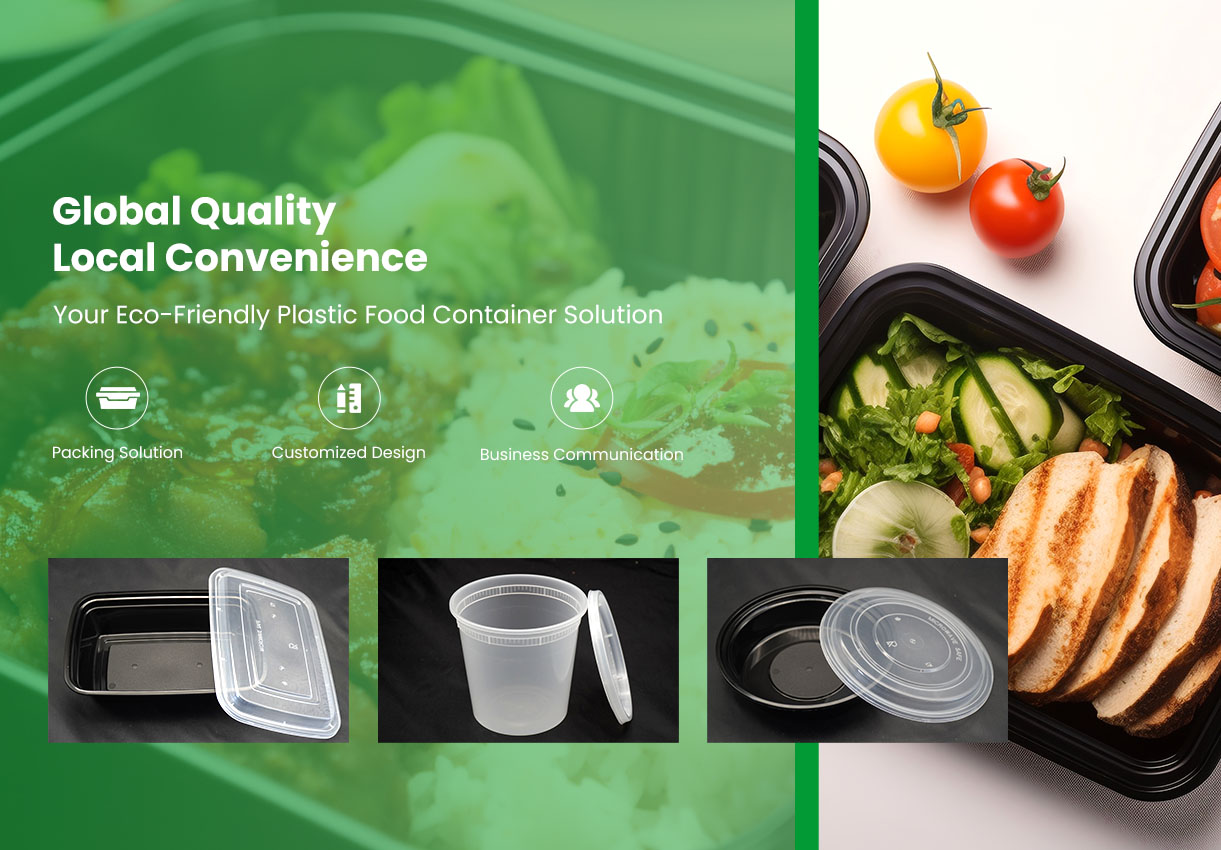
Restaurants increasingly use heat-resistant polypropylene containers for takeout meals. These boxes are designed for reheating and remain stable at common microwave power levels.
Microwave-safe containers are widely used in meal prep services, restaurants, catering businesses, and home kitchens. They allow users to reheat soups, stews, rice dishes, and pasta directly without transferring containers. Fiber-based packaging, which is microwave-safe, also fits sustainability goals while maintaining heat stability. For businesses that rely on consistent reheating performance, choosing certified PP or plant-fiber boxes provides convenience and safety.
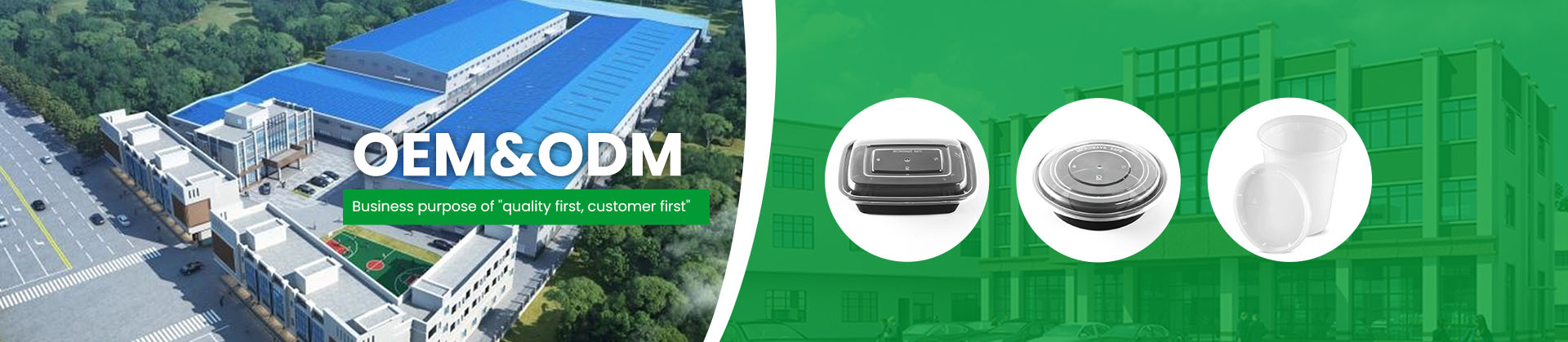
If your business requires bulk takeout containers, selecting reliable materials ensures customer safety and enhances the brand image. Companies such as LVHUI, a professional supplier of eco-friendly packaging solutions, offer heat-resistant containers made from PP and biodegradable plant fibers. Their products are designed for modern food-service needs and help businesses deliver food safely and conveniently.
Whether a to-go box is microwave-safe depends entirely on the material. Paper, PP plastic, and plant-fiber containers usually perform well in the microwave, while PET, foam, and metal components should never be heated. Checking for the microwave-safe symbol and understanding common material properties greatly reduces risks and ensures safer reheating. When in doubt, transferring food to a glass or ceramic bowl remains the most dependable option.