Understanding whether Disposable Soup Cups are microwave-safe is important for anyone who heats takeout meals, prepares quick office lunches, or relies on ready-to-eat food packaging. Many cups look similar on the outside, yet their heat resistance, coating materials, and structural stability vary greatly. This article explains how to identify microwave-safe cups, how different materials behave under heat, and what users should avoid to prevent spills or chemical migration. For food businesses and packaging buyers, selecting reliable microwave-ready containers is part of delivering a safe consumer experience, and manufacturers such as LVHUI provide compliant packaging options designed for heated foods.
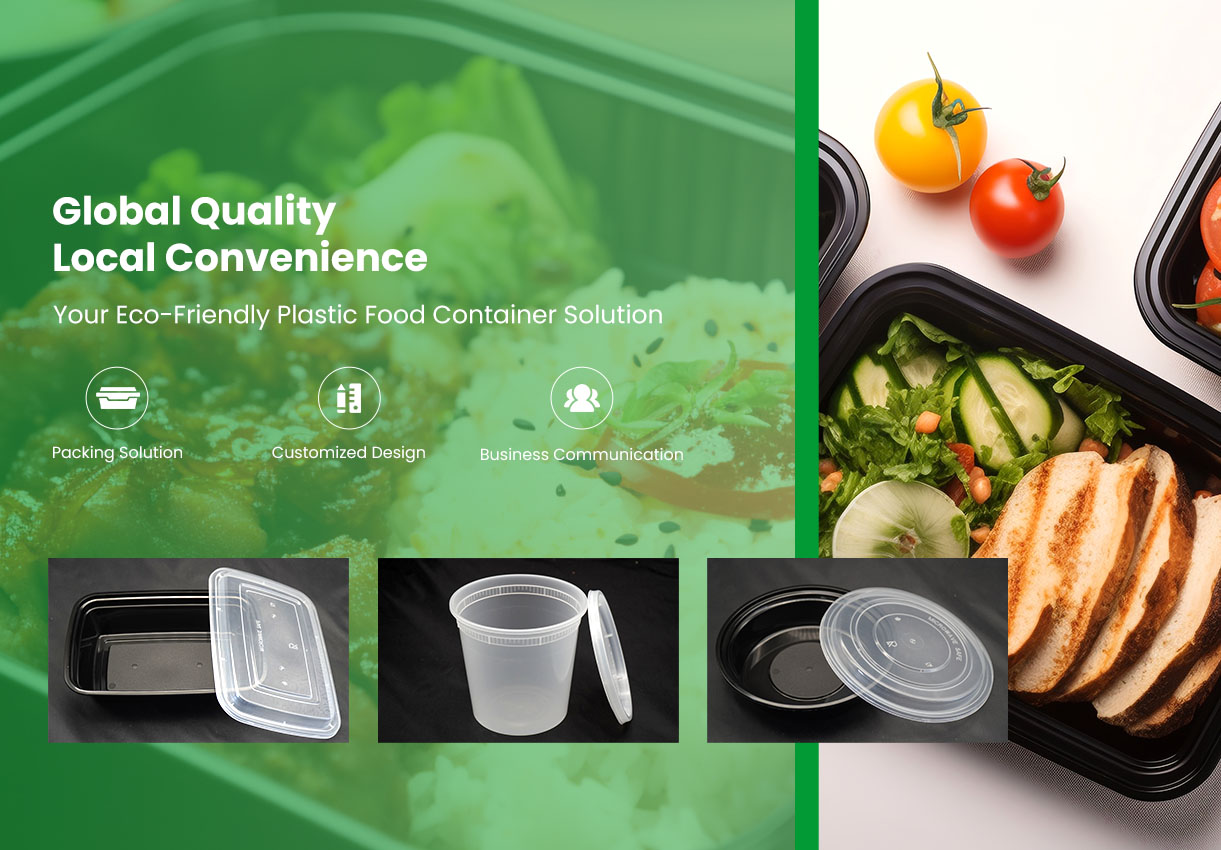
disposable soup cups are commonly made from paperboard, plastic, or fiber-based materials. Their microwave performance depends on how these materials interact with heat and moisture. Paper cups with a thin PE lining may withstand short heating periods, but extended exposure can cause the lining to soften. PP plastic cups handle higher temperatures and are generally safe for reheating. Compostable cups made from plant fibers can be microwave-safe if they include heat-resistant additives, although not all versions are rated for hot liquid reheating.
Many products include temperature limits that determine whether the cup should contact boiling liquids or microwave heat. Cups designed specifically for hot soups normally undergo thermal deformation testing, ensuring that the rim and walls do not collapse. Brands like LVHUI manufacture paper containers with enhanced structural strength, making them more suitable for high-temperature food service.
Below is a simple reference table comparing typical disposable soup cup materials and their microwave performance:
| Material Type | Microwave Performance | Typical Temperature Resistance |
|---|---|---|
| Paper with PE lining | Safe for short reheating; not ideal for prolonged heating | 70–90°C |
| PP Plastic | Generally microwave-safe; good stability | 100–120°C |
| PET Plastic | Not microwave-safe due to deformation risk | 60–70°C |
| PLA or Fiber Cups | Varies by formula; check labeling | 70–90°C |
| Coated Paperboard | Often microwave-safe if labeled accordingly | 90–100°C |
These values reflect common industry ranges, but the exact rating depends on the manufacturer. High-strength containers from LVHUI typically offer improved heat endurance to meet food service requirements.
Many manufacturers print microwave-safe symbols on the bottom of the cup. If a cup has no indication, it is safer to assume limited heat resistance. Consumers can also evaluate cup construction by checking whether the wall feels thick and rigid, as thinner cups are more likely to weaken under heat. Multi-layer paper cups with heat-resistant coatings maintain form better during microwaving, especially for broths and noodles that generate steam pressure.
Labels such as “heat-resistant,” “safe for hot liquids,” or “microwave approved” indicate the cup has undergone standard heating tests. Reputable suppliers like LVHUI provide clear product specifications so buyers can choose appropriate options for catering, restaurants, and delivery services.
Reheating in unsuitable cups may lead to several issues. Softening materials can cause the cup to lose shape, increasing the risk of spills. Certain plastics may release unwanted substances when exposed to high heat, and thin paper structures may warp or leak when steam builds up. Cups with metallic decorations should never be microwaved because metal reflects microwave energy and can cause sparks.
Any container that emits an unusual smell or shows signs of deformation during heating should be discarded immediately. If the lid is tightly sealed, pressure may build up, so partially opening the lid before microwaving is always safer.
Heating food in disposable cups requires basic precautions. Short heating intervals help maintain cup integrity while reducing overheating risk. Users should avoid placing nearly empty cups in the microwave, as the material can overheat without sufficient moisture. Soups should be covered lightly to reduce splatter without sealing in pressure.
Businesses that provide takeaway meals should select cups tested for microwave performance, ensuring that reheating remains safe even after transportation. Suppliers like LVHUI offer customizable options with different coatings and thicknesses, allowing brands to match product requirements with safe, reliable packaging.
disposable soup cups can be microwave-safe, but only when the material and construction are designed to tolerate elevated temperatures. Paper cups with appropriate linings, PP plastic cups, and certified fiber containers usually perform well, while PET or unlabeled cups should not be reheated. Checking material labels and following simple heating guidelines ensures safety and prevents spills. For buyers wanting dependable, microwave-ready food packaging, manufacturers such as LVHUI provide solutions built to meet modern food service standards.