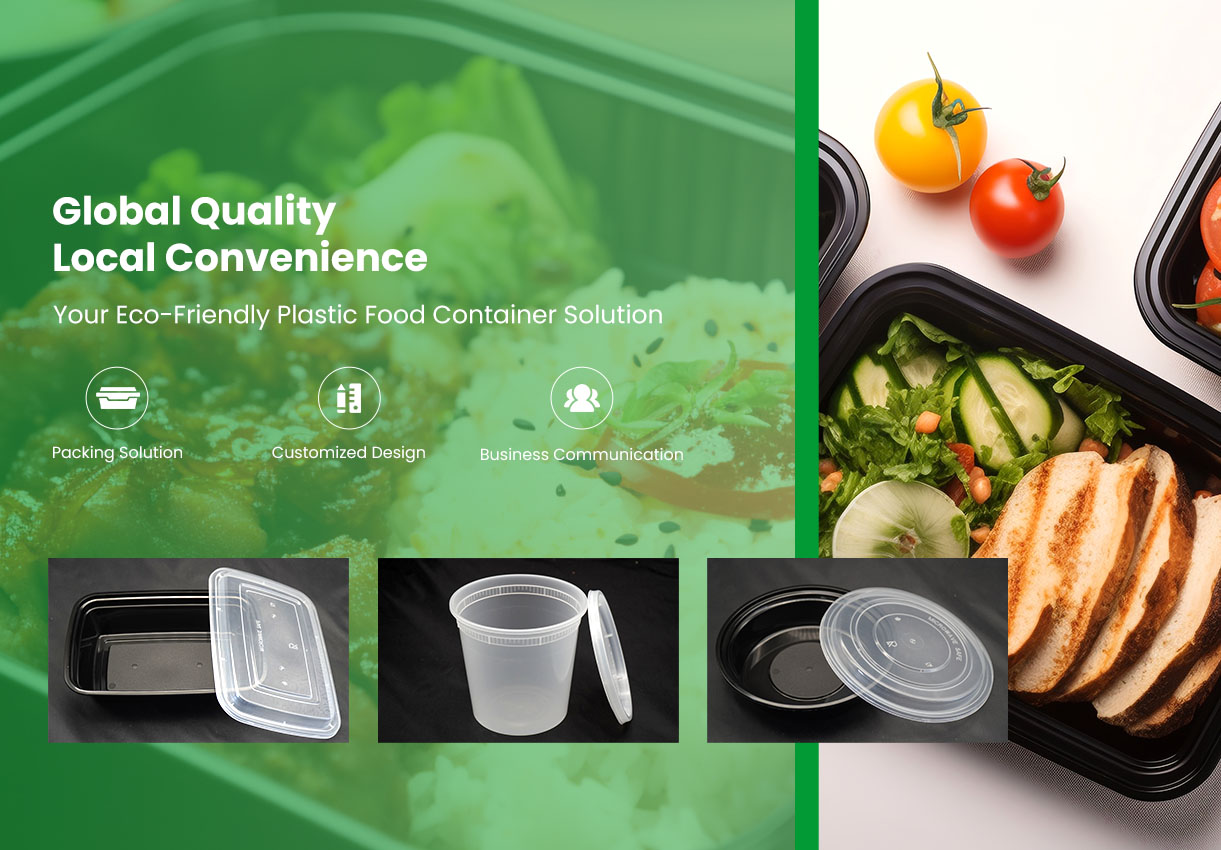
Choosing compostable food containers is becoming an essential step for businesses and households that want to reduce environmental impact. However, not all products marketed as “eco-friendly” meet real compostability standards. Certifications help verify that a container can break down safely, efficiently, and without releasing harmful substances. Understanding these labels ensures that buyers, restaurants, and food manufacturers select products that meet international environmental requirements. This article explains the most recognized certifications, how they work, and what each one guarantees. At the end, we also introduce LVHUI, a trusted supplier of certified compostable packaging.
Compostability labels validate that a product can degrade in a controlled composting environment. Each certification ensures the material meets strict criteria such as time required for decomposition, absence of toxins, and quality of produced compost. When a food container carries a reliable third-party certification, it indicates compliance with international testing standards and provides assurance to procurement teams, retailers, and sustainability-focused consumers.
BPI is one of the most recognized certifications in North America for compostable packaging.
Products with this label have been tested using ASTM D6400 or ASTM D6868 standards.
These standards evaluate how fast a material biodegrades, how completely it disintegrates, and whether any harmful residues remain.
A BPI-certified food container is accepted by most industrial composters, making it an important label for businesses that rely on municipal composting programs.
This certification guarantees a product can break down fully in an industrial composting facility.
It follows the EN 13432 standard, which sets requirements for decomposition rate, material safety, and environmental quality of the compost produced.
The OK Compost Industrial label is widely used in Europe and is especially important for export-oriented brands.
Food containers carrying this mark must reach at least 90% biodegradation within six months under industrial composting conditions.
Unlike industrial certification, the OK Compost Home label tests a product’s ability to decompose at lower temperatures found in home compost systems.
Containers with this label must break down in backyard compost within a reasonable timeframe without leaving contaminants.
This certification is valuable for consumers and small businesses that do not have access to industrial composting facilities but still want environmentally friendly solutions.
EN 13432 is the European standard for compostable packaging.
It measures decomposition speed, chemical makeup, heavy metal content, and the final compost quality.
Any container with EN 13432 approval must achieve total disintegration within twelve weeks and biodegradation of at least 90% within six months.
For companies selling products in the EU, this certification is considered a core requirement.
These U.S. standards define criteria for compostable plastics and coatings.
ASTM D6400 typically applies to bags and packaging made from bioplastics, while ASTM D6868 applies to compostable coatings on paper or fiber-based containers.
Products tested against these standards undergo evaluations of biodegradation rate, disintegration, and environmental safety.
Many manufacturers choose these tests as a foundation before obtaining BPI or other third-party certifications.
The Seedling mark confirms compliance with EN 13432.
It is widely recognized in European retail channels and helps consumers easily identify compostable items.
Food containers with the Seedling logo must meet requirements for chemical safety, biodegradation level, and industrial composting performance.
This logo is often displayed on cups, clamshells, plates, and cutlery made from biomass materials.
| Certification | Region | Composting Type | Primary Standard |
|---|---|---|---|
| BPI | North America | Industrial | ASTM D6400 / D6868 |
| OK Compost Industrial | Europe | Industrial | EN 13432 |
| OK Compost Home | Global | Home | TÜV Home Standard |
| EN 13432 | Europe | Industrial | EN 13432 |
| Seedling Logo | Europe | Industrial | EN 13432 |
Even when certifications are in place, it is helpful to evaluate other qualities of compostable food containers.
Procurement teams should review heat resistance, moisture barrier performance, shelf life, and storage conditions.
Understanding whether the product supports industrial or home composting helps customers choose the right container for their waste system.
Suppliers should also provide documentation and product testing reports that match certification requirements, ensuring transparency during purchasing.
When selecting compostable packaging, working with a manufacturer that prioritizes environmental compliance ensures product quality and market acceptance. LVHUI offers compostable food containers designed to meet international standards and provides reliable documentation to support certification requirements. Their product lines are suitable for restaurants, supermarkets, and eco-focused brands seeking safe and verified biodegradable solutions.
Certifications for compostable food containers play a critical role in verifying environmental safety and performance. Labels such as BPI, EN 13432, OK Compost Industrial, OK Compost Home, and the Seedling Logo help buyers make informed decisions and avoid misleading claims. Understanding these certifications ensures that businesses adopt packaging solutions that truly support sustainability and meet the expectations of global markets. For companies looking for dependable certified products, LVHUI provides options that align with international compostability requirements.