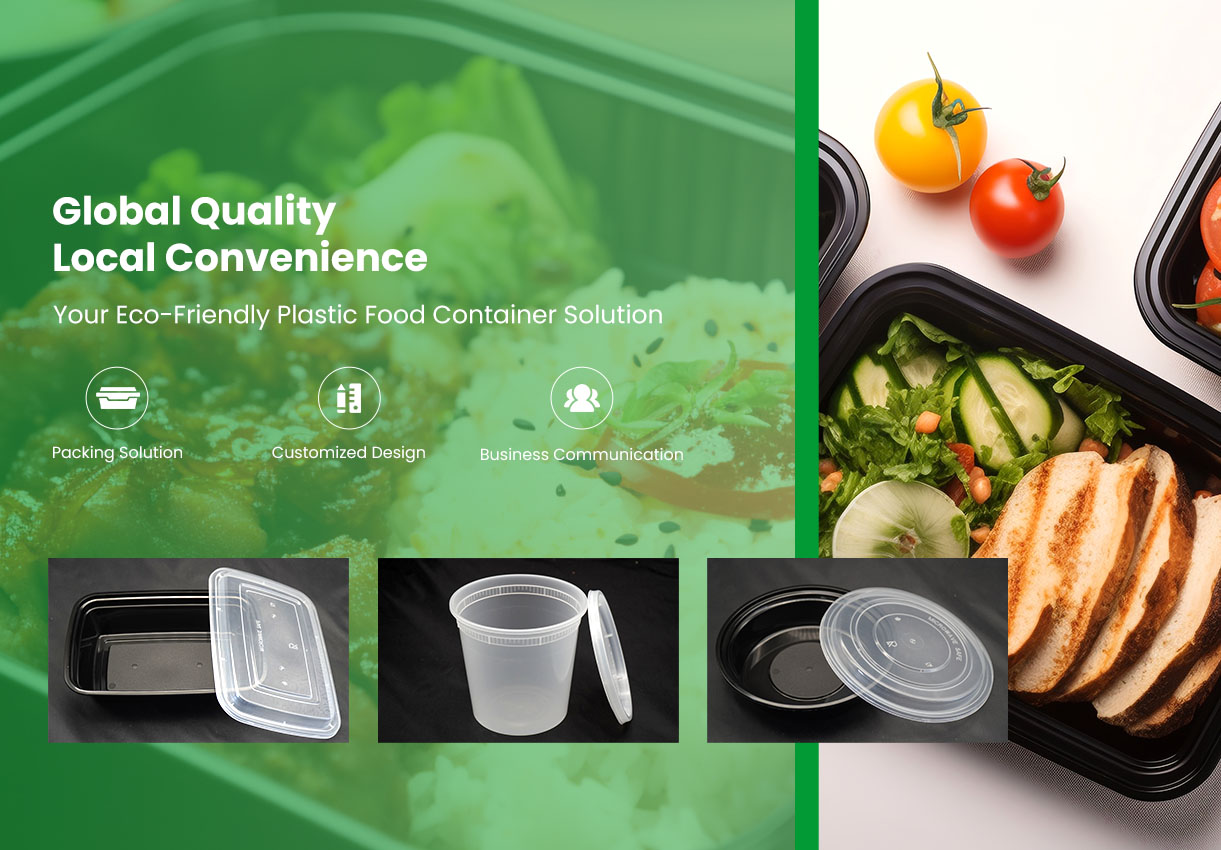
Whether you bring home leftovers from a restaurant or store meal prep for the next day, it is natural to wonder if takeout boxes can be safely placed in the microwave. Modern packaging varies widely in material, heat resistance, and structural design, so understanding the safety of each type helps prevent contamination, melting, or fire hazards. This article explains how different takeout containers behave in the microwave, how to identify microwave-safe packaging, and what precautions to take to ensure safe heating. For businesses and bulk buyers looking for safer and more sustainable food packaging solutions, LVHUI offers a range of eco-friendly, microwave-ready containers.
Some takeout boxes can be microwaved, but others should never be placed in a microwave. The safety depends entirely on the material. Microwave-safe containers maintain their structure under heat, do not release harmful chemicals, and do not contain metal components. In contrast, materials such as thin plastic, coated paper, or metal-rimmed packaging can warp, melt, or spark.
Many manufacturers now design food boxes specifically to tolerate reheating. If you often store or reheat restaurant food, choosing microwave-safe packaging is essential for convenience and hygiene.
Not all food containers react the same way to heat. The table below summarizes the safety level of common takeout box materials:
| Material Type | Microwave Safety | Notes |
|---|---|---|
| Paper boxes (no metal) | Generally safe | Avoid wax-coated or heavily printed surfaces. |
| plastic containers (PP) | Safe | PP has good heat resistance and is widely used in takeaway packaging. |
| Plastic containers (PET, PS) | Not safe | These plastics deform or release chemicals under heat. |
| Aluminum containers | Not safe | Metal can cause sparks or fire. |
| Cardboard with metal handles | Not safe | Handles create electrical arcs in the microwave. |
| Compostable fiber boxes | Safe | High-quality plant-fiber boxes tolerate microwave heat well. |
Understanding these materials helps you avoid accidental damage to food, container, or microwave.
Most food containers include a small symbol or label indicating heat tolerance. A microwave-safe box might display curved lines or a microwave icon. If the box has none of these marks, the following clues help you judge:
Check the plastic type:
Heat-resistant plastics such as PP withstand temperatures up to 120°C, making them suitable for reheating. Thin PET or PS usually warp or soften when heated.
Look for metal components:
Any metal handle, staple, or rim disqualifies the box from microwave use because metal reacts strongly to electromagnetic waves.
Assess coating and print:
Heavy wax coating or oil-resistant films may melt. If the surface feels shiny or slippery, it may not be suitable for microwave heat.
Observe structural thickness:
Thicker fiber-based or molded pulp packaging often handles heat better than thin cardboard.
When uncertain, transfer food to a clearly marked microwave-safe bowl to prevent risk.
Microwaving unsuitable containers can lead to several problems that affect food quality and safety. Thin plastics may soften and leach chemicals into the food. Metal pieces can generate sparks, damaging the microwave interior. Waxed or coated paper may smoke or burn. Even when the material does not ignite, its structural stability may weaken, causing leaks and spills. Understanding these risks reinforces why identifying safe packaging is important for everyday use.
If you want to reheat leftovers while keeping the food safe, follow these simple precautions:
Vent the lid: Leave it slightly open to release steam and prevent pressure build-up.
Avoid reheating fatty or sugary sauces on high: These can overheat and burn the container.
Use short heating intervals: Heat gradually and stir when possible for more even warming.
Transfer when unsure: If the container seems fragile, coated, or unmarked, place the food into a microwave-safe dish instead.
Good reheating habits protect both the microwave and the food’s flavor and texture.
Businesses that want to provide customers with safe, convenient, and sustainable packaging should choose materials specifically designed for microwave use. LVHUI supplies high-quality food packaging made from durable, eco-friendly materials that maintain stability under heat. Their product range includes molded fiber containers and PP food boxes designed to handle reheating safely while reducing environmental impact. For restaurants, cloud kitchens, and retail food brands, this ensures better customer experience and safer takeout handling.
You can microwave some takeout boxes, but only those that are clearly designed for heat resistance. Paper without metal, PP plastic, and high-quality plant-fiber packaging typically perform well. Boxes containing metal, thin plastics, or heavy coatings are unsafe and should be avoided. When uncertain, transferring the food to a microwave-safe dish is always the safest option. For businesses needing reliable and sustainable microwave-safe packaging, LVHUI provides dependable solutions that support safe reheating and environmentally responsible operations.